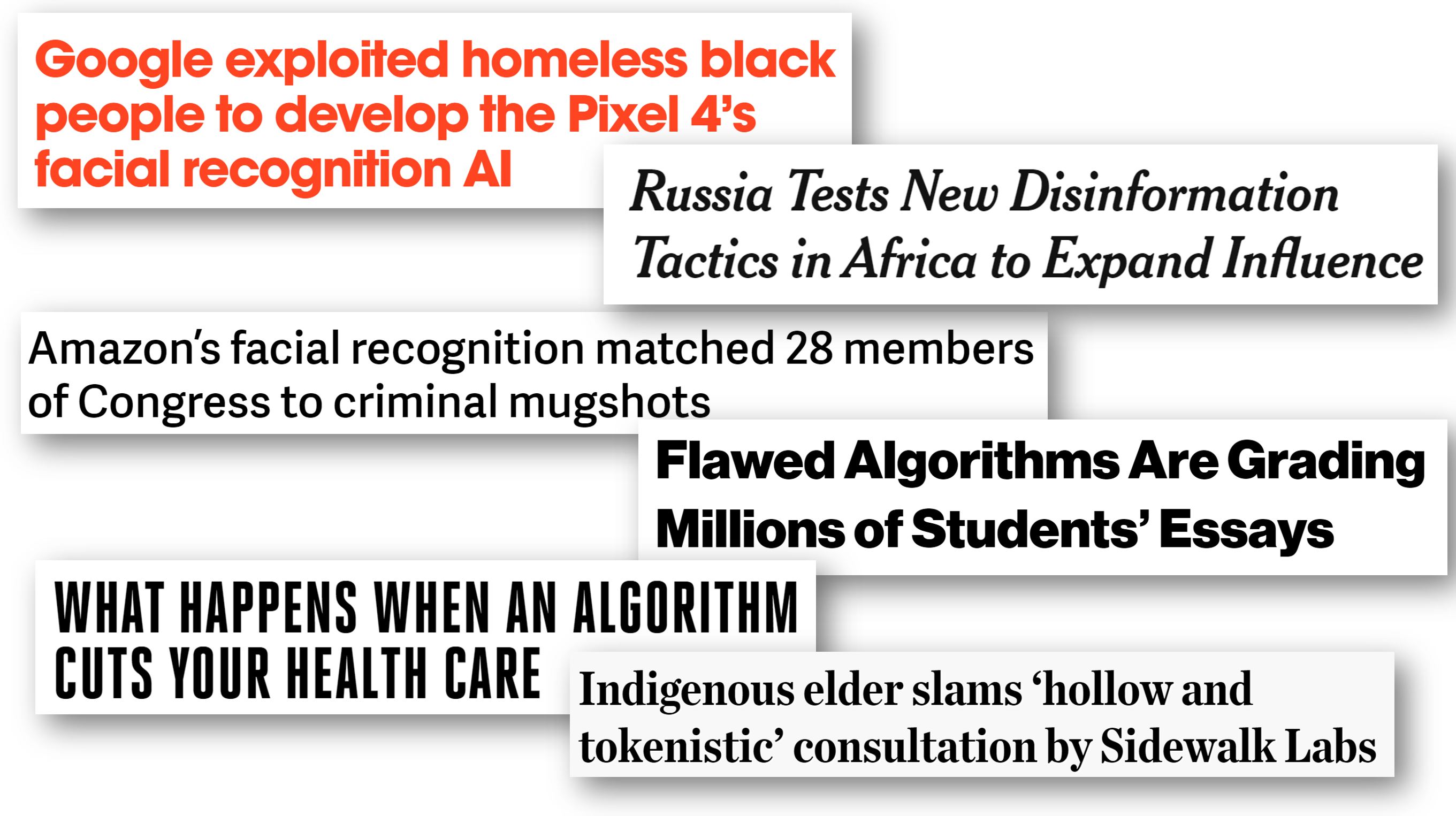
Free, online course from fast.ai and USF Data Institute covering disinformation, bias & fairness, ethical foundations, practical tools, privacy & surveillance, the silicon valley ecosystem, and algorithmic colonialism
Thaura / Your Ethical AI Companion
No ads, no investors, no training on your data. Just an AI that works for you.

Artificial Intelligence and the Purpose of Social Systems
The law and ethics of Western democratic states have their basis in liberalism. This extends to regulation and ethical discussion of technology and businesses doing data processing. Liberalism relies on the privacy and autonomy of individuals, their ordering through a public market, and, more recently, a measure of equality guaranteed by the state. We argue that these forms of regulation and ethical analysis are largely incompatible with the techno-political and techno-economic dimensions of artificial intelligence. By analyzing liberal regulatory solutions in the form of privacy and data protection, regulation of public markets, and fairness in AI, we expose how the data economy and artificial intelligence have transcended liberal legal imagination. Organizations use artificial intelligence to exceed the bounded rationality of individuals and each other. This has led to the private consolidation of markets and an unequal hierarchy of control operating mainly for the purpose of shareholder value. An artificial intelligence will be only as ethical as the purpose of the social system that operates it. Inspired by the science of artificial life as an alternative to artificial intelligence, we consider data intermediaries: sociotechnical systems composed of individuals associated around collectively pursued purposes. An attention cooperative, that prioritizes its incoming and outgoing data flows, is one model of a social system that could form and maintain its own autonomous purpose.

FAIRdata.ai — FAIR Data Assessment
Assess your research data's FAIRness. Automated pipeline using F-UJI + Claude AI. Free to use.

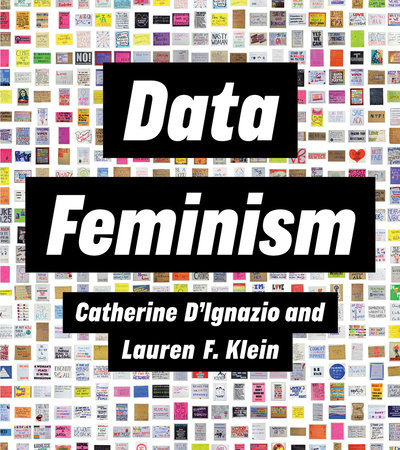
Data Feminism
A new way of thinking about data science and data ethics that is informed by the ideas of intersectional feminism.Today, data science is a form of power. I
Accelerating the Advancement of Data Science Education
We outline a synthesis of strategies created in collaboration with 35+ colleges and universities on how to advance undergraduate data science education on a national scale. The four core pillars of this strategy include the integration of data science education across all domains, establishing adoptable and scalable cyberinfrastructure, applying data science to non-traditional domains, and incorporating ethical content into data science curricula.
AI and Doctrinal Collapse
Artificial intelligence runs on data. But the two legal regimes that govern data—information privacy law and copyright law—are under pressure. Formally, each re

Data Feminism
A new way of thinking about data science and data ethics that is informed by the ideas of intersectional feminism.

AI Ethics Class
AI, Ethics, and Society — Home
Meet Thaura / Your Ethical AI Companion
Big Tech fuels oppression. We fuel resistance. A free AI for a free future.
AI Policy - Taylor & Francis
Learn about Taylor & Francis' AI Policy, which provides guidelines on the ethical use of artificial intelligence in research, publishing, and content creation to maintain integrity and transparency.

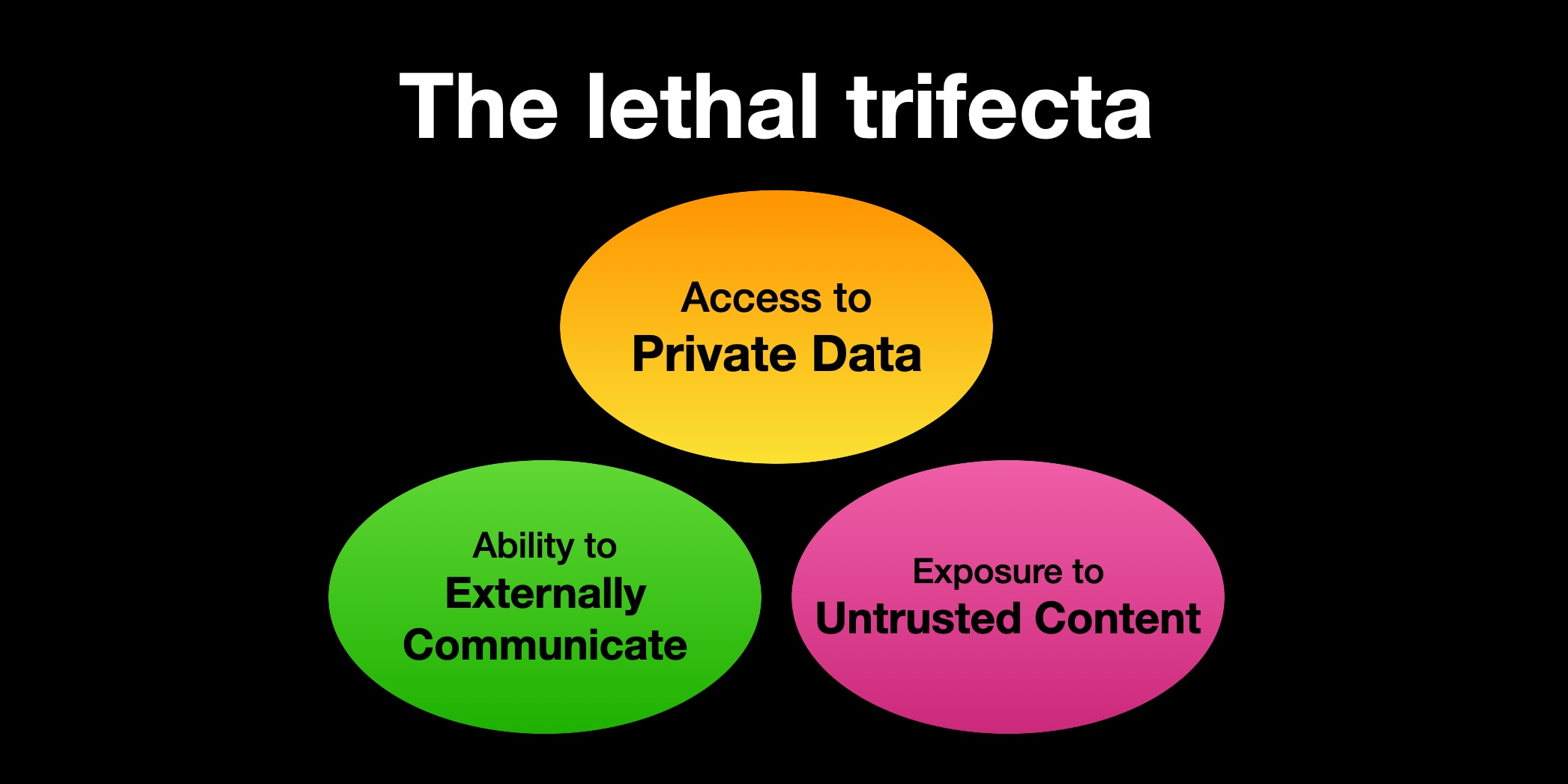
The lethal trifecta for AI agents: private data, untrusted content, and external communication
If you are a user of LLM systems that use tools (you can call them “AI agents” if you like) it is critically important that you understand the risk of …

Perspective Chapter: Fit for Purpose? Creative Commons Licensing for Research Data in the Age of Artificial Intelligence
Licensing is an important component of the re-usability of research data, itself part of the FAIR principles: without clear, machine-readable licensing, datasets risk becoming technically...

Data Feminism
Today, data science is a form of power. It has been used to expose injustice, improve health outcomes, and topple governments. But it has also been used to d...