


In the age of AI, it’s better to know a little about a lot than a lot about a little
The Age of Wonders and Terrors
Twenty years ago, when the idea of AI taking over the world in our lifetimes still struck most of us as the unconstrained fantasy of those who knew too much science fiction and too little science, …

Less is more, more or less
In the age of AI, knowing what not to build might be the most important skill of all.
How should social science think about AI?
Big structures and large processes are back, baby

AI FOR EPISTEMICS & COORDINATION
Civilization and technology have radically improved the human condition. Nonetheless, the world sometimes goes in directions which essentially nobody would prefer — e.g., nuclear arms races, unexpected financial crashes, predatory marketing, or ubiquitous political misinformation.
What matters in the age of AI is taste
the case for why a curated personal knowledge base has never mattered more

The AI people have been right a lot
Try to keep an open mind as the world gets increasingly wild.
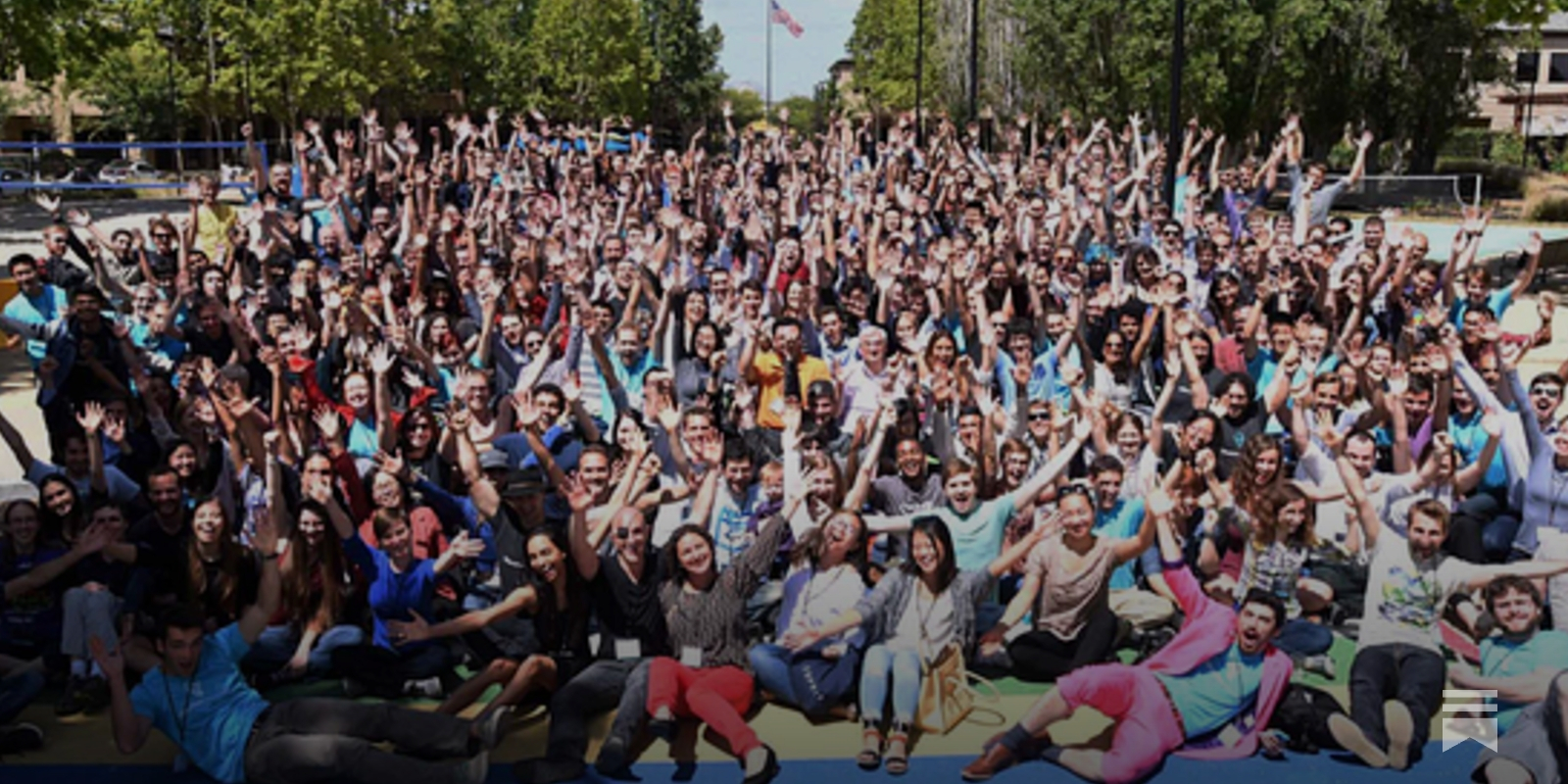
An AI Future Is Much Shakier Than You Think
The ghosts of past futurism give pause to predictions of digital change.

Our Spreadsheet Overlords
Weatherby argues that the current discourse around AI, especially the buzz around “artificial general intelligence,” is a distraction from its actual impact: the expansion of bureaucracy through massive data systems…

Why I'm Betting Against AI Agents in 2025 (Despite Building Them)
I've built 12+ AI agent systems across development, DevOps, and data operations. Here's why the current hype around autonomous agents is mathematically impossible and what actually works in production.

Large AI models are cultural and social technologies
Implications draw on the history of transformative information systems from the past , Debates about artificial intelligence (AI) tend to revolve around whether large models are intelligent, autonomous agents. Some AI researchers and commentators speculate that we are on the cusp of creating agents with artificial general intelligence (AGI), a prospect anticipated with both elation and anxiety. There have also been extensive conversations about cultural and social consequences of large models, orbiting around two foci: immediate effects of these systems as they are currently used, and hypothetical futures when these systems turn into AGI agents—perhaps even superintelligent AGI agents. But this discourse about large models as intelligent agents is fundamentally misconceived. Combining ideas from social and behavioral sciences with computer science can help us to understand AI systems more accurately. Large models should not be viewed primarily as intelligent agents but as a new kind of cultural and social technology, allowing humans to take advantage of information other humans have accumulated.

Nassim Nicholas Taleb on Twitter / X
The problem isn’t that AI is intelligent. It isn’t. The problem is that too many adults (but not all) are at once mechanistic, imitative, unimaginative, stupid, formulaic, influenceable, & gullible, arrogant beyond their skill set, & too expensive to maintain.— Nassim Nicholas Taleb (@nntaleb) October 24, 2026
AI’s Next Chapter Requires Human Expertise
The future of AI doesn’t just require technical skills; it demands deep human expertise, writes Annie K. Lamar.

The more young people use AI, the more they hate it
Caught between fears of job loss and social stigma, Gen Z’s opinions of AI are hitting new lows.

Knowing less about AI makes people more open to having it in their lives – new research
People with less AI literacy often see the technology as ‘magical’ and awe-inspiring.
Knowing less about AI makes people more open to having it in their lives – new research
People with less AI literacy often see the technology as ‘magical’ and awe-inspiring.