


Three principles for keeping your cognitive edge while leveraging AI's capabilities
How AI is changing your mind
And here are six ways to protect yourself from a world view determined by AI.

Thinking Fast, Slow, Artificially: AI and Your Brain
AI can boost your decisions — or quietly undermine them. Wharton researchers introduce a new theory of cognition that every leader needs to understand.

AI: A Guide for Thinking Humans | Melanie Mitchell | Substack
I write about interesting new developments in AI. Click to read AI: A Guide for Thinking Humans, by Melanie Mitchell, a Substack publication with tens of thousands of subscribers.
Why I believe current AI models can really think and understand - Part 2 of 3
Why computers can in principle produce thinking and understanding

Are We Thinking Correctly About AI Intelligence? | Quanta Magazine
Computer scientist Melanie Mitchell discusses why artificial intelligence doesn’t “think” or “reason” like humans, and how we can create better methods for measuring machine cognition.
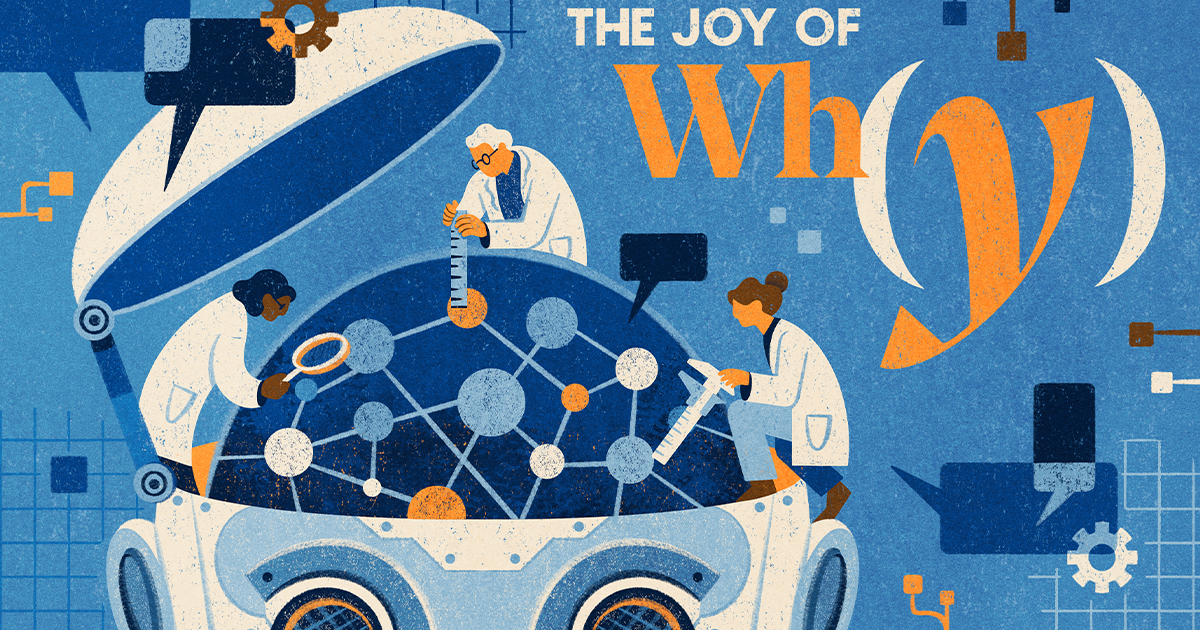
Are we offloading too much of our thinking to AI?
Reflections on autonomy and the value of thinking for ourselves

Machine god metaphors eat your brain
There are other ways of thinking about AI

You Can Increase Your Intelligence: 5 Ways to Maximize Your Cognitive Potential
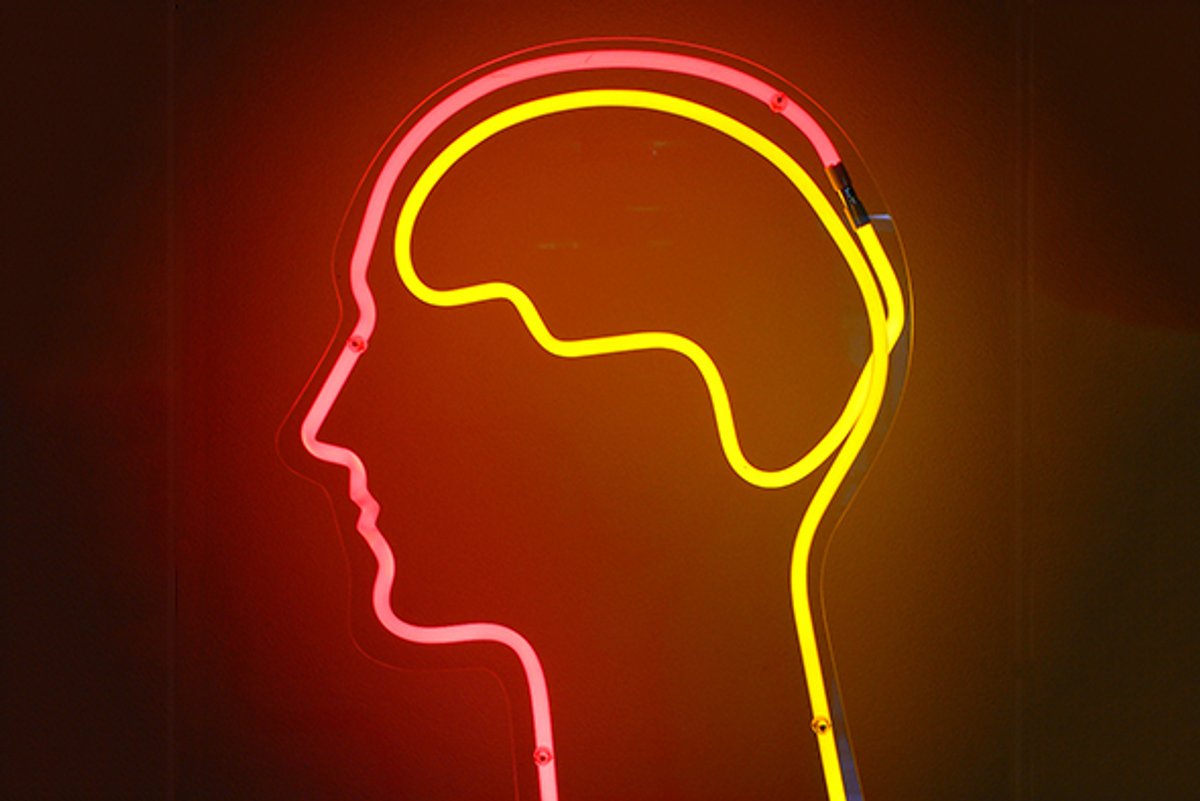
The Impact of Artificial Intelligence on Human Thought
This research paper examines, from a multidimensional perspective (cognitive, social, ethical, and philosophical), how AI is transforming human thought. It highlights a cognitive offloading effect: the externalization of mental functions to AI can reduce intellectual engagement and weaken critical thinking. On the social level, algorithmic personalization creates filter bubbles that limit the diversity of opinions and can lead to the homogenization of thought and polarization. This research also describes the mechanisms of algorithmic manipulation (exploitation of cognitive biases, automated disinformation, etc.) that amplify AI's power of influence. Finally, the question of potential artificial consciousness is discussed, along with its ethical implications. The report as a whole underscores the risks that AI poses to human intellectual autonomy and creativity, while proposing avenues (education, transparency, governance) to align AI development with the interests of humanity.

Why I believe current AI models can really think and understand - Part 1 of 2
How the human mind is different from our conception of it

NeuroAI
Neuroscience, cognitive science, and AI are all questing for principles that help generalization. Learn more through a live, synchronous program designed for focused, hands-on learning.
Our minds aren’t equipped to handle AI
AI is junk food for the mind: easy, tempting and ultimately very bad for you.

Cognitive Surrender and Tri-System Theory · Today I Learned
How AI can support, displace, or bypass human deliberation
#158: Build your AI Brain
How I built a second brain that gets smarter every day
why I am AI sober
on walking away from AI and how you can mirror similar boundaries with big tech.
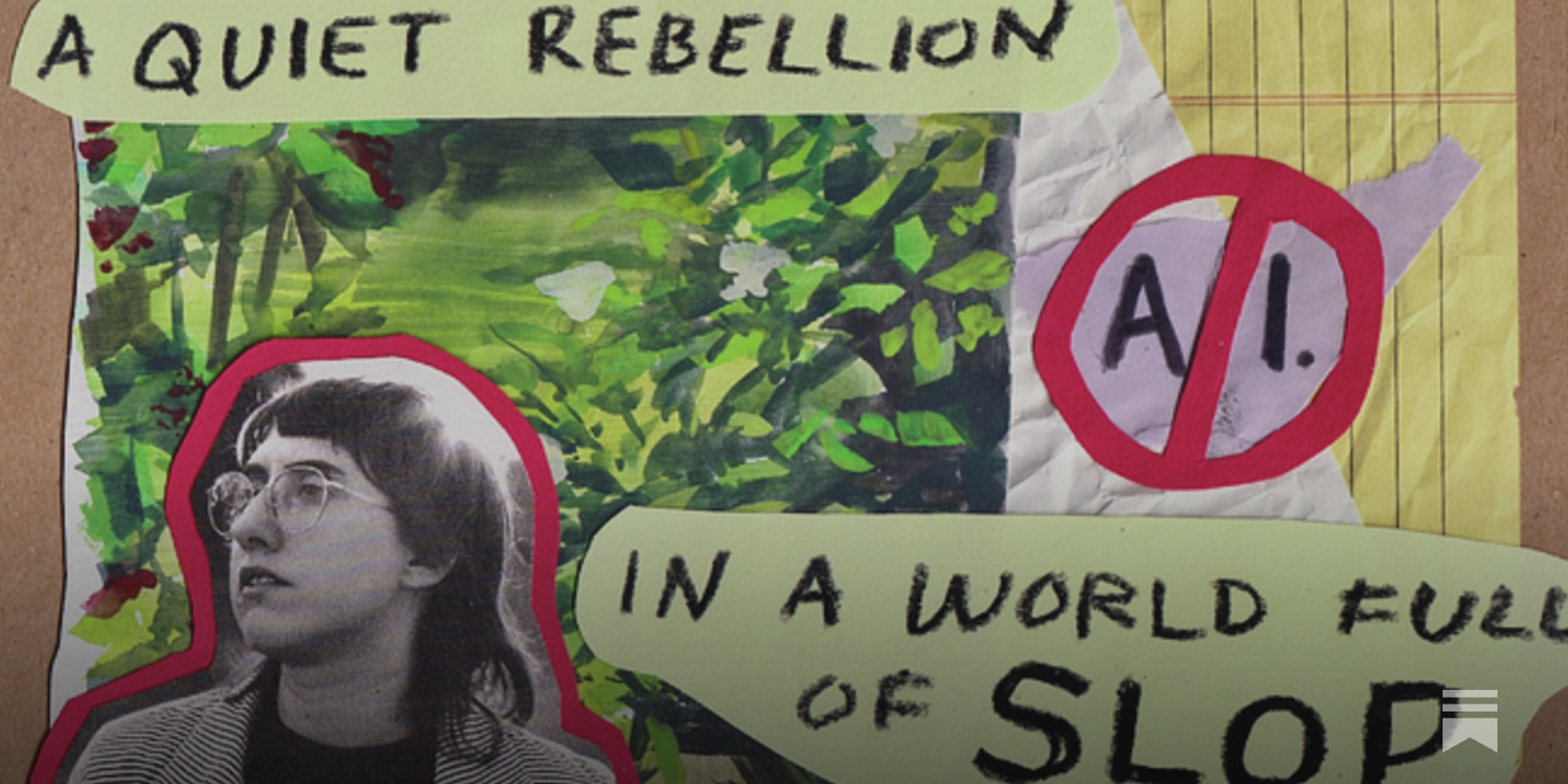
why I am AI sober
on walking away from AI and how you can mirror similar boundaries with big tech.