It's dangerous when social justice ideas – the same ones that empower us – are used to harm people. Here are some signs that this is happening in your life or community.
Nonviolent Communication can be emotionally violent – Real Social Skills
Nonviolent Communication (NVC) culture facilitates abuse in part because NVC culture has very little regard for consent. (I said a little bit about this in my other post on ways NVC hurts people.) They call it nonviolent, but it is often a coercive and emotional violent kind of interaction.
Speech is violence? Not if we want a liberal, intellectual society
Offensive speech can cause mental and emotional pain. But classifying it as violence erodes the foundations of intellectual liberalism.
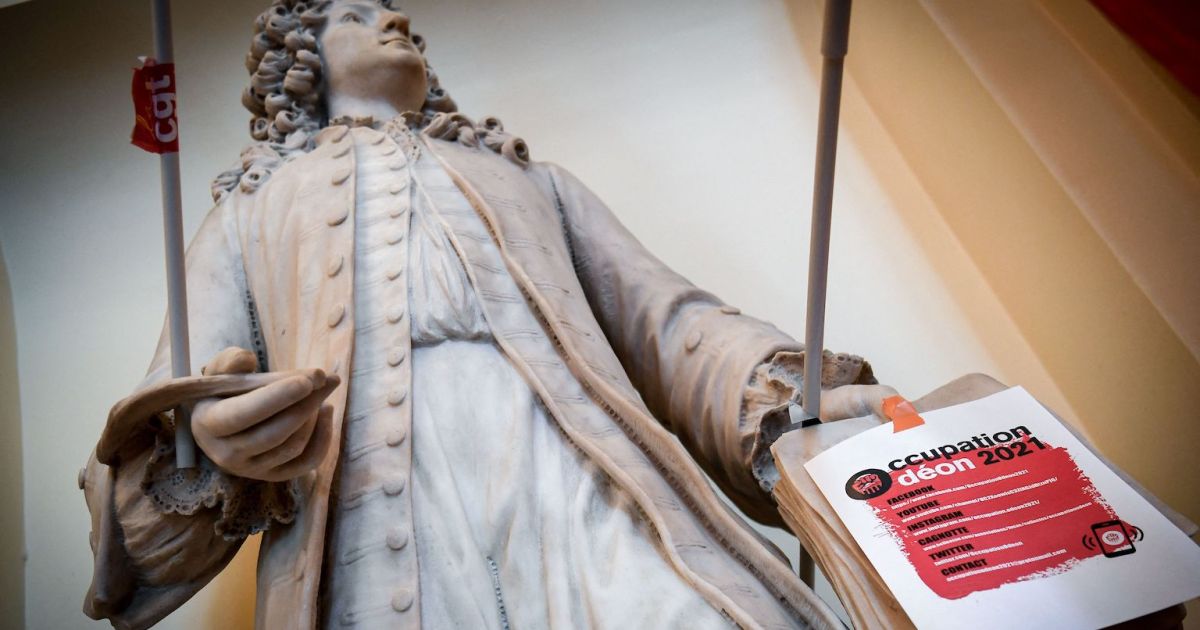
Movement Narcissism: A Warning and A Guide | New Archives
Narcissistic abuse is most often discussed in interpersonal relationships, especially when it comes to romantic relationships. However, I would venture that narcissistic abuse is not just contained to romantic relationships, but that narcissists find their platonic targets in social and group environments. Within progressive social movements, this is unfortunately true. Our current activist narratives about charismatic leadership and heroism attract individuals who see social movements as another way of satisfying their need for attention and power.
Morally Motivated Networked Harassment as Normative Reinforcement
While online harassment is recognized as a significant problem, most scholarship focuses on descriptions of harassment and its effects. We lack explanations of why people engage in online harassment beyond simple bias or dislike. This article puts forth an explanatory model where networked harassment on social media functions as a mechanism to enforce social order. Drawing from examples of networked harassment taken from qualitative interviews with people who have experienced harassment ( n = 28) and Trust & Safety workers at social platforms ( n = 9), the article builds on Brady, Crockett, and Bavel’s model of moral contagion to explore how moral outrage is used to justify networked harassment on social media. In morally motivated networked harassment, a member of a social network or online community accuses a target of violating their network’s norms, triggering moral outrage. Network members send harassing messages to the target, reinforcing their adherence to the norm and signaling network membership. Frequently, harassment results in the accused self-censoring and thus regulates speech on social media. Neither platforms nor legal regulations protect against this form of harassment. This model explains why people participate in networked harassment and suggests possible interventions to decrease its prevalence.

Effective Altruism Has a Hostile Culture for Women, Critics Say
Seven women connected to effective altruism tell TIME they experienced harassment and worse within the community
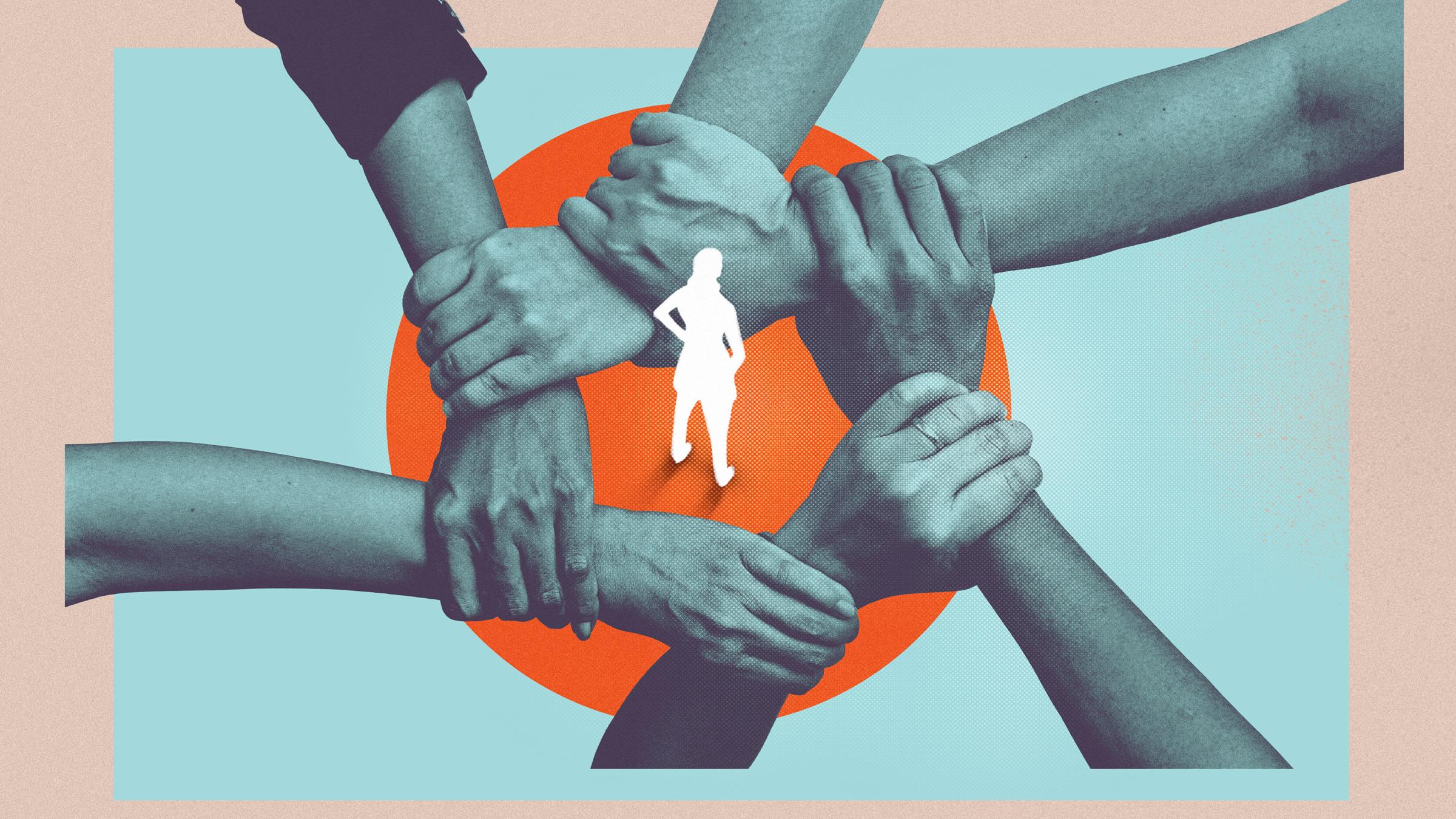
Feminist Data Manifest-No
1. We refuse to operate under the assumption that risk and harm associated with data practices can be bounded to mean the same thing for everyone, everywhere, at every time. We commit to acknowledging how historical and systemic patterns of violence and exploitation produce differential vulnerabilities for communities.
Move Over, Love Languages: Do You Know Your 'Route of Safety'?
According to this expert, these "trauma-informed love languages" can lead to deeper connections.
This is your phone on feminism
Let’s face the truth. We are in an abusive relationship with our phones.

6 Toxic Relationship Habits Most People Think Are Normal
Many unhealthy relationship habits are baked into our culture and we end up accepting them as normal. Here are a few ways we do this.

Playing the Victim: How the Powerful Deny and Attack Survivors of Violence, from Domestic Abuse to Genocide
Journalist Kylie Cheung delivers an urgent, incisive look at how abusers—from empires to intimate partners—use the same gaslighting playbook to oppress victims, silence their voice, and stay in power Who has the right to their own body? Who has the right to self-defense? Who gets to walk away? From the genocide in Gaza to the state-sanctioned control of women’s bodies, Kylie Cheung confronts the most urgent moral and political crises of our time through an incisive, illuminating lens: DARVO—Deny, Attack, Reverse Victim and Offender. While DARVO originated in the psychology of domestic abuse and intimate partner violence, Cheung shows how it’s deployed en masse, at every level—and how it can become the blueprint for empire itself.From the spectacle of Depp v. Heard to horrors perpetrated by Israeli prison guards, Cheung exposes how abusers both individual and institutional flip the script and perform victimhood to justify domination. With unflinching clarity, Playing the Victim traces how these tactics shape everything from media propaganda and imperial warfare to anti-feminist backlash, transphobic legislation, and racialized state violence. Each chapter peels back another layer of the mirror-world machine that distorts oppressors into victims and twists resistance into crime.Essential for anyone seeking to understand how power works in the 21st century—and at whose cost—this book is piercing, clear-eyed, and rigorously researched. Unpacking how domestic abuse, intimate partner violence, colonial violence, and capitalist cruelty function as interlocking systems of control, Cheung helps readers understand how power hides behind ersatz victimhood—and how this plays us all.

Early violence is a bad teacher. But the mind can learn anew | Aeon Essays
A world of violence sustains itself through guns, poverty and other social ills, but also through the minds it creates
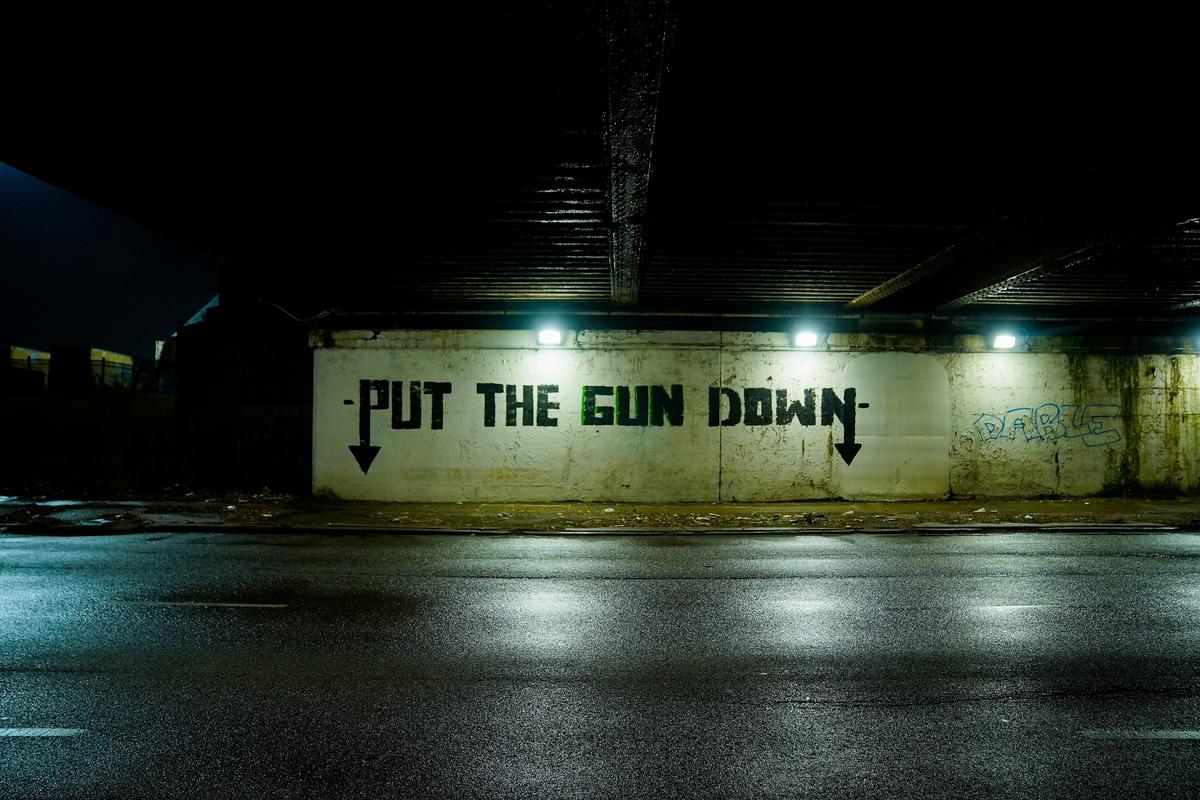
The Impact of Toxic Influencers on Communities
There’s a common character that can be often spotted in many online communities. It’s the “toxic influencer” (sometimes referred as “intellectual bully”). A toxic influencer is a person…

How Anti-LGBTQ+ Rhetoric Fuels Violence
Hate speech from the far right is increasing the risk of violence against LGBTQ+ people such as the Club Q shooting
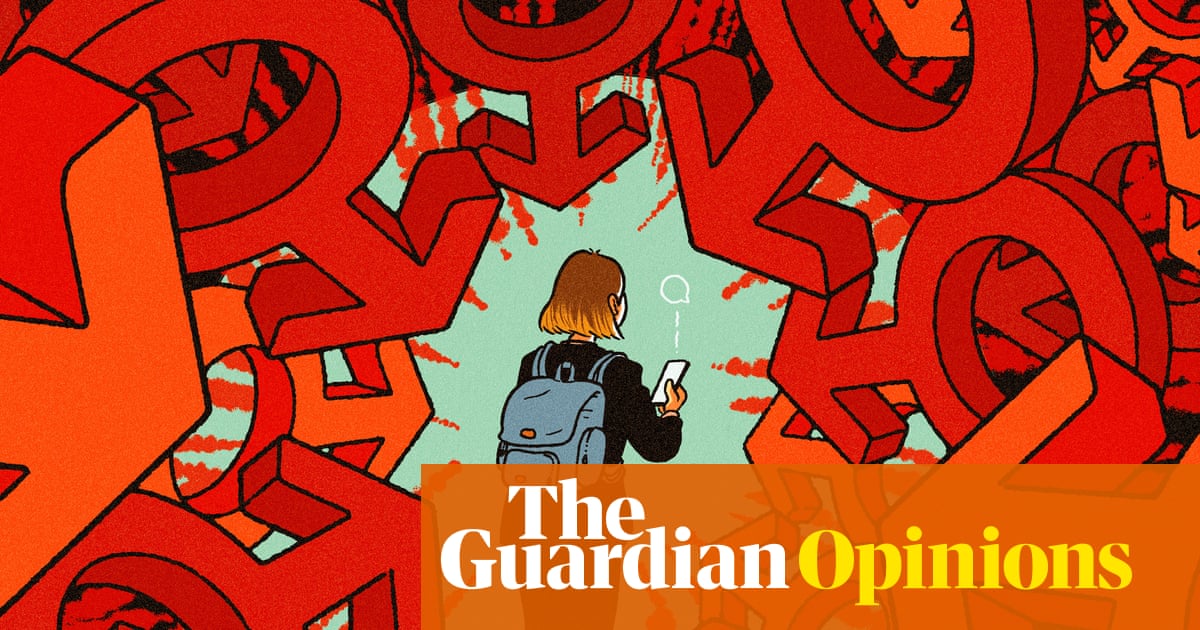
I am a 15-year-old girl. Let me show you the vile misogyny that confronts me on social media every day | Anonymous
Objectification, hate, rape threats: the politicians debating online abuse mean well, but to truly understand, they need to see what I see
La banalité du mal : ce que dit la recherche en psychologie sociale
La violence dans les hiérarchies sociales est exercée par des individus qui se distinguent des autres par leur orientation autoritaire.