


Evidence Based Programs seeks to identify social programs related to K-12 education, employment and training, crime preventions, and other key areas of…
Home
Our mission is to advance the effective implementation of evidence-based practices for children and families involved with the child welfare system.
Fraud Investigation Lessons From Finance
Social programs shouldn't have to pay tuition to fraudsters; finance has already. Here's what we've learned.

Evidence toolkit: Student access, success and progression - TASO
Our toolkit summarises the existing evidence on approaches to widening participation and student success for disadvantaged and underrepresented groups.

Blueprints Programs – Blueprints for Healthy Youth Development
Protective factors are conditions that buffer a person from exposure to risk by either reducing the impact of the risks or changing the way that one respond to risks.
Find Rated Practices | CrimeSolutions, National Institute of Justice
NoticeThis page is no longer being updated. It may contain outdated information and links may no longer function as originally intended.
Criminal Justice Fact Sheet
A compilation of facts and figures surrounding policing, the criminal justice system, incarceration, and more.

The Matrix - The Center for Evidence-Based Crime Policy (CEBCP)
The Evidence-Based Policing Matrix What strategies can be effective in reducing crime and disorder in policing? The Evidence-Based Policing Matrix is a research-to-practice translation tool that collects, summarizes, and organizes moderate to very rigorous evaluations of police interventions, allowing agencies and researchers to view the field of research in this area. The Matrix includes studies…
Find programs that work | Pathways to Work
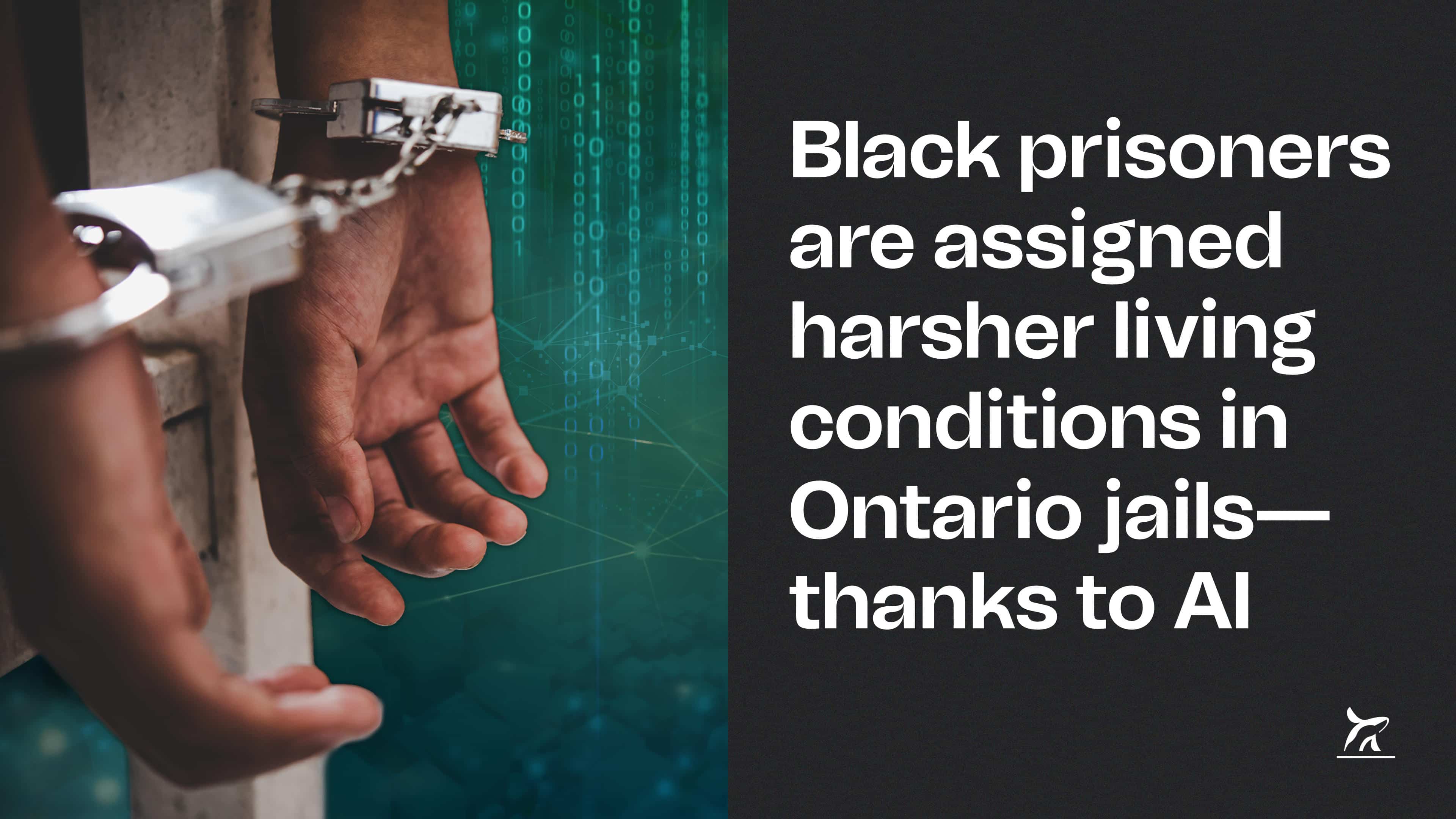
Black prisoners are assigned harsher living conditions in Ontario jails—thanks to AI ⋆ The Breach
Ontario jails are using a program that claims it can predict prisoners’ behaviour, disproportionately putting Black prisoners in higher-security facilities
How to Research Private Schools to Spot Problems — ProPublica
It can be really hard to get transparent, comprehensive information about private schools. Our investigative reporters share some suggestions for parents and guardians who want to collect it themselves.

Communities of Practice in Long‐Term Care—Exploring Frameworks, Barriers and Enablers: A Systematic Review
ABSTRACT Objectives Communities of Practice (CoPs) offer staff an opportunity to learn with and from one another, and to explore and advance practice. This study aimed to identify the frameworks that underpin the development, operation and evaluation of CoPs, and barriers and enablers to implementing this social learning approach in long term care (LTC). Methods This systematic review comprehensively searched four databases (MEDLINE, CINAHL, PsycInfo and Embase) from inception to August 2025, identifying studies focused on supporting LTC staff implementing evidence‐based practice, best practice or quality improvement. Inclusion screening, data extraction and quality assessment using the Quality Assessment with Diverse Studies tool (QuADS) were completed independently. Findings were mapped to the Values Creation Framework. Results Fifteen papers represented eight CoP programs ranging from small, standalone groups to large national collaboratives. Frameworks or specific CoP definitions underpinned planning for seven programs. Two programs drew on stakeholder input in development; however, none described formal co‐design. Seven programs were multidisciplinary. Evaluation was qualitative ( n = 8), mixed methods ( n = 4) or quantitative ( n = 3), with limited application of evaluation frameworks. A wide range of enablers and barriers was identified, with structural and cultural challenges affecting sustained CoP engagement and implementation of CoP learning outcomes. Conclusions Despite 20 years of CoP implementation in LTC, there are few comprehensive evaluations to guide practice. Community of Practice participation delivers individual learning and peer support; however, system and organisational barriers affect sustained staff participation and translation. Consistent application of existing frameworks and enhanced CoP reporting will better support future CoP development and implementation in LTC. , Practice Impact Residential aged care organisations and their staff could benefit from the peer support and learning opportunities offered by participation in well‐facilitated and effective Communities of Practice (CoPs). Consistent application of existing planning and evaluation frameworks and enhanced CoP reporting will better support future CoP development and implementation. Policy Impact This systematic review suggests that Communities of Practice (CoPs) with residential aged care staff do deliver individual benefits; however, there are ongoing systemic challenges that influence CoPs' potential for wider impact on practice change. To realise the value of this social learning approach, we need to address these systemic barriers.

Social cognition and interpersonal violence
Why do some people resort to violence while others in similar circumstances do not? Drawing on 99 in-depth interviews with men from high-violence Chicago neighborhoods who participated in a community violence intervention, we examine how past exposure to violence shapes the social cognitions that influence future involvement in violence—through the schemas and scripts people use to interpret social situations and guide behavior. We identify three specific social cognitions that respondents associated with violence: misconstruing ambiguous cues as threats, defaulting to a narrow set of behavioral responses, and attributing violent behavior to fixed personal traits rather than situational factors. Respondents reported that participation in the program’s cognitive behavioral component shifted these social cognitions in ways they associated with reduced violence involvement. The consistency of these self-reports combined with the program’s experimental impacts suggest the hypothesis that these specific social cognitions could play an important role in violence and may be modifiable through intervention.

Journalists and Researchers: How to Examine FBI Crime Data for Your Community
Here’s what to know about NIBRS, the FBI’s program for collecting police data from 15,000 agencies across the U.S.
Social safety nets and long-run outcomes for children
The effects of welfare cuts in Denmark.
Results First Clearinghouse Database
To assist policymakers at all levels of government in identifying evidence-based programs and making data-driven budget decisions, the project has created the Results First Clearinghouse Database. This one-stop online resource provides policymakers with an easy way to find information on the effectiveness of various interventions as rated by eight national research clearinghouses.

Intervention Tool | Centre for Homelessness Impact
A single, accessible and trusted entry-point to current body of evidence for homelessness interventions. The tool provides one-page overviews of the available evidence, including simple ratings for strength of evidence, cost-effectiveness and impact, as well as detail on what the studies say about each intervention.
