

Political Declaration on Strengthening the Protection of Civilians from the Humanitarian Consequences Arising from the Use of Explosive Weapons in Populated Areas
Opportunities to Improve Military Policies and Practices to Reduce Civilian Harm From Explosive Weapons in Urban Conflict
This research paper seeks to contribute to further thinking and dialogue among States and their militaries that conduct operations in urbanized environments on what more can be done to reduce civilian harm by proposing practical measures in the form of options for consideration. UNIDIR seeks to enhance knowledge on ways to reduce risks and mitigate harm to civilians from the effects of explosive weapons in urbanized environments. This research frames the issue of explosive weapons in the broader context of protection of civilians in urban conflict and focuses on multilateral operations. The research takes a comprehensive approach to civilian protection from a ‘risk reduction’ perspective—that is, seeking to understand where the risks and uncertainties lie in the entire ‘civilian protection life cycle’, recognizing that civilian harm is the cumulative effect of numerous risks and decisions made from formulating mandates, planning, execution, assessment and response to lessons learned and institutional learning. Particular focus is placed on the targeting and weaponeering processes. Citation: Roger Lane, Larry Lewis and Himayu Shiotani (2019) "Opportunities to Improve Military Policies and Practices to Reduce Civilian Harm From Explosive Weapons in Urban Conflict", UNIDIR, Geneva, Switzerland. https://doi.org/10.37559/CAAP/19/PACAV/11 TRANSLATIONS To read the report in French, click here.
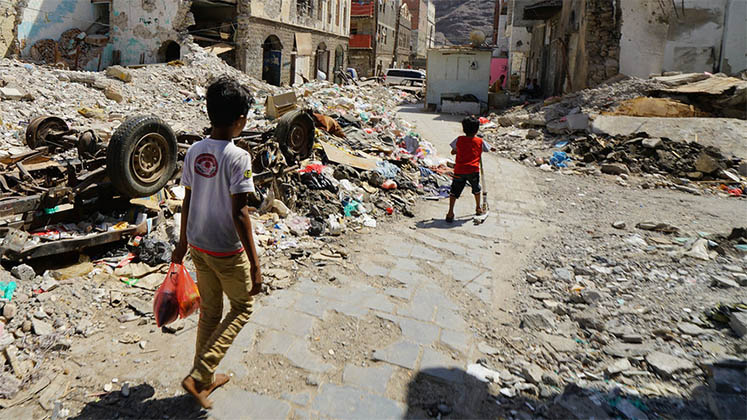
A world in turmoil: governing risk, establishing order in humanitarian crises
This special issue of Disasters on humanitarian governance focuses on risk and order. Its contributions show the tensions between humanitarian normative ideals and practical consequences, as many of ...

Briefing note - Killing “Narco-Terrorists” at Sea: The Legality of Military Attacks on Criminal Groups and Drug Trafficking under International Human Rights Law and Other Applicable International Law September 2026
Special Rapporteur on the promotion and protection of human rights and fundamental freedoms while countering terrorism
Protecting civilians in a data-driven and digitalized battlespace: toward a baseline humanitarian technology infrastructure
This article examines the realities of modern day warfare, including a rising trend in hybrid threats and irregular warfare which employ emerging technologies supported by digital and data-driven processes. The way in which these technologies become applied generates a widened battlefield and leads to a greater number of civilians being caught up in conflict. Humanitarian groups mandated to protect civilians have adapted their approaches to the use of new emerging technologies. However, the lack of international consensus on the use of data, the public and private nature of the actors involved in conflict, the transnational aspects of the widened battlefield, and the heightened security risks in the conflict space pose enormous challenges for the protection of civilians agenda. Based on the dual-usage aspect of emerging technologies, the challenges associated with regulation and the need for those affected by conflict to demonstrate resilience toward, and knowledge of, digital media literacy, this paper proposes the development of guidance for a "minimum basic technology infrastructure" which is supported by technology, regulation, and public awareness and education

Fanning the Flames
Since the conflict between the Sudanese Armed Forces (SAF) and the Rapid Support Forces (RSF) began in Sudan in April 2023, countless civilians have been killed, millions have been internally displaced, and millions face famine. There is a large and growing body of credible evidence documenting how, during their conduct in the conflict, the warring parties have committed widespread war crimes, crimes against humanity, and serious human rights violations, including in the Darfur region. For example, Human Rights Watch, among others, has documented devastating ethnic cleansing in West Darfur. Given the prevalence of such atrocities in the conflict, Human Rights Watch has called for the renewal and expansion of the existing arms embargo on Darfur to the rest of Sudan to prevent warring parties acquiring weapons or equipment likely to be used to perpetuate serious violations of international human rights and humanitarian law, harming civilians.

Humanitarian Governance
This review examines humanitarian governance, defined as the increasingly organized and internationalized attempt to save the lives, enhance the welfare, and reduce the suffering of the world's most vulnerable populations. Political scientists and international relations scholars are only now beginning to explain this rapidly growing global governance of humanity, which is particularly evident in the developing literatures on humanitarian intervention, emergency relief, peacebuilding, and refugee protection. As they increasingly engage this relatively unexplored area of global life, political scientists are using the familiar analytics of the global governance literature to explain the origins, design, and effectiveness of this collective activity. This essay, though, interjects an alternative perspective, one that draws from critical theory, to widen the research agenda of the study of humanitarian governance. Specifically, the essay raises six central questions: What kind of world is being imagined and produced? What accounts for the tremendous growth of humanitarian governance over the last century? Who governs? How is humanitarian governance organized and accomplished? What are the principal techniques of control? By what authority do humanitarians govern and what do they do with that authority?

Iran: UN Fact-Finding Mission calls for immediate cessation of hostilities after deadly US airstrikes hit civilians
GENEVA – The UN Independent International Fact-Finding Mission on Iran today urged all parties to the ongoing regional conflict to abide strictly by international law and cease hostilities, following a series of deadly US airstrikes in southern Iran. The strikes, which hit a wedding celebration and a residential home, killed and injured civilian families, including women and children, from already marginalised minority communities.

Ukraine trains civilians and journalists to survive under drone attacks
Public administrations and NGOs are preparing citizens in risk zones with action manuals and survival courses
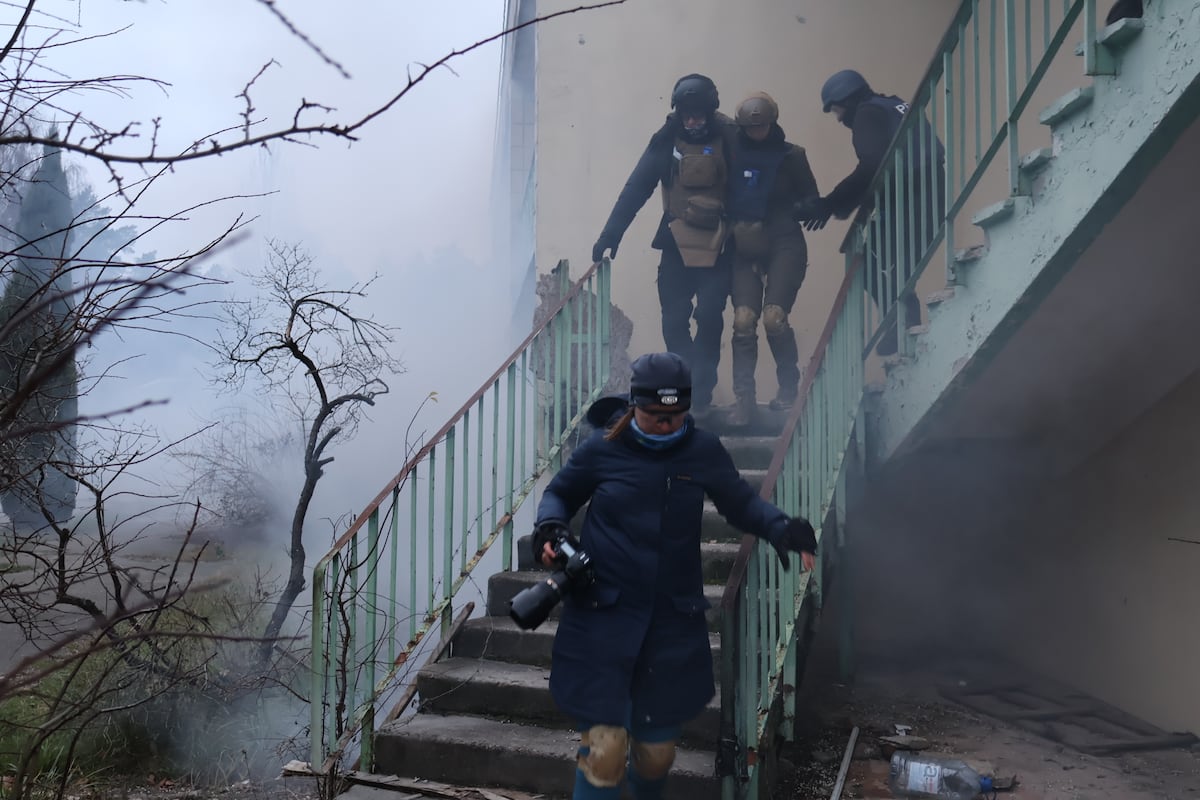
Ukraine trains civilians and journalists to survive under drone attacks
Public administrations and NGOs are preparing citizens in risk zones with action manuals and survival courses
UN fact-finding mission on Iran focuses on plight of civilians
The Independent International Fact-Finding Mission on Iran confirmed that civilians in the country suffered serious human rights violations and “crimes against humanity committed by their government,” while finding "reasonable grounds" to believe that the United States committed “war crimes” in the context of its ongoing conflict with the Islamic Republic.

Ukraine Symposium – Terrorizing Civilians and the Law of Armed Conflict - Lieber Institute West Point
Attacking civilians is a clear LOAC violation, but intentionally spreading terror amongst the civilian population is a more nuanced violation.

How NSPM-7 Seeks to Use "Domestic Terrorism" to Target Nonprofits and Activists | ACLU
What President Donald Trump’s latest memorandum targeting civil society does, does not, and cannot do.


The Civilian Impact of Drones: Unexamined Costs, Unanswered Questions | Center for Civilians in Conflict
This joint report from the Center for Civilians in Conflict and Columbia Law School’s Human Rights Clinic is an in-depth look at the US government’s covert drone program and its impact on civilian populations. Our objective is to critically assess US government procedures and standards for ensuring civilian protection and responding to civilian harm from…

Drones in the African Battlespaces
C/O Futures Book ReviewLisa J. Campbell22 May 2026Addressing in their book an increasingly prescient topic, the co-editors of Drones in the African Battlespaces, have a background of research in security policy, defense, and global arms concerns. Wayne Stephen Coetzee, a senior lecturer in Political Science at the International Programme in Politics and Economics at the University West in Sweden, has focused his research on security politics, emphasizing the interactions between public and priva

“Terrorism”

NSPM-7 and other expansions of “terrorist” designations, criminalizing protests and other nonviolent forms of political dissent, etc.
NLG Condemns OFAC Designation of Palestine Action and Autistici/Inventati, Calls for Challenges - National Lawyers Guild
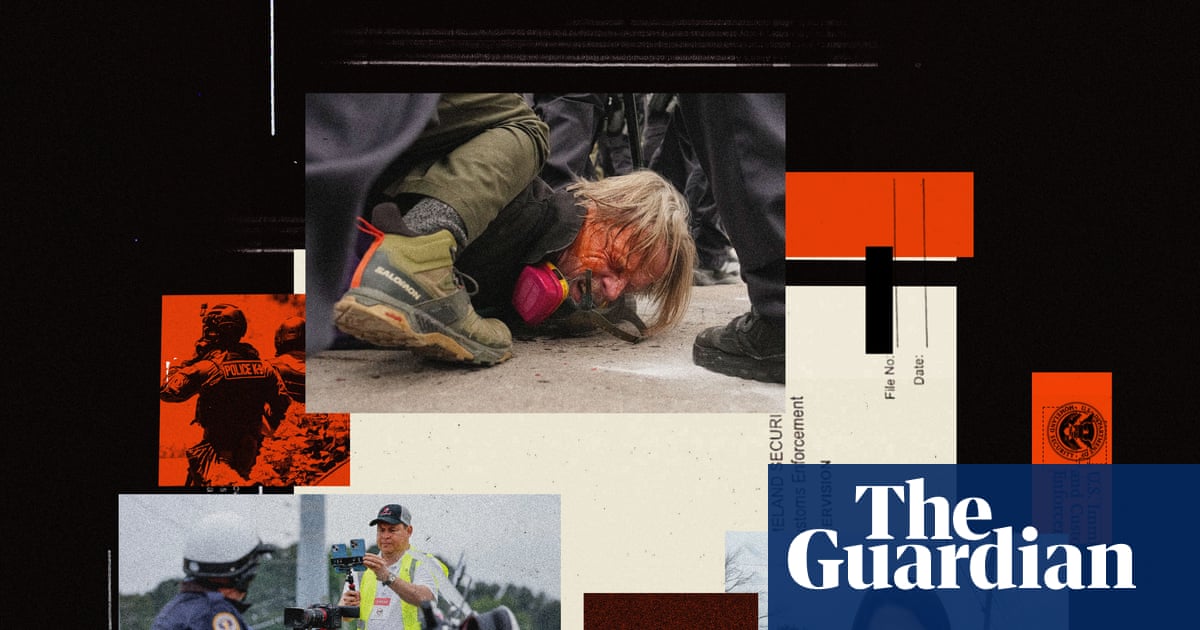
Freedom oppressed: the journalists caught up in Trump’s ICE crackdown

Mass Arrests by Trump's ICE, CBP Repeatedly Fail Under Scrutiny — ProPublica

Rubio and Miller warn of the ‘mortal threat’ of ‘far-left terror’ in speech to 67 countries | CNN Politics
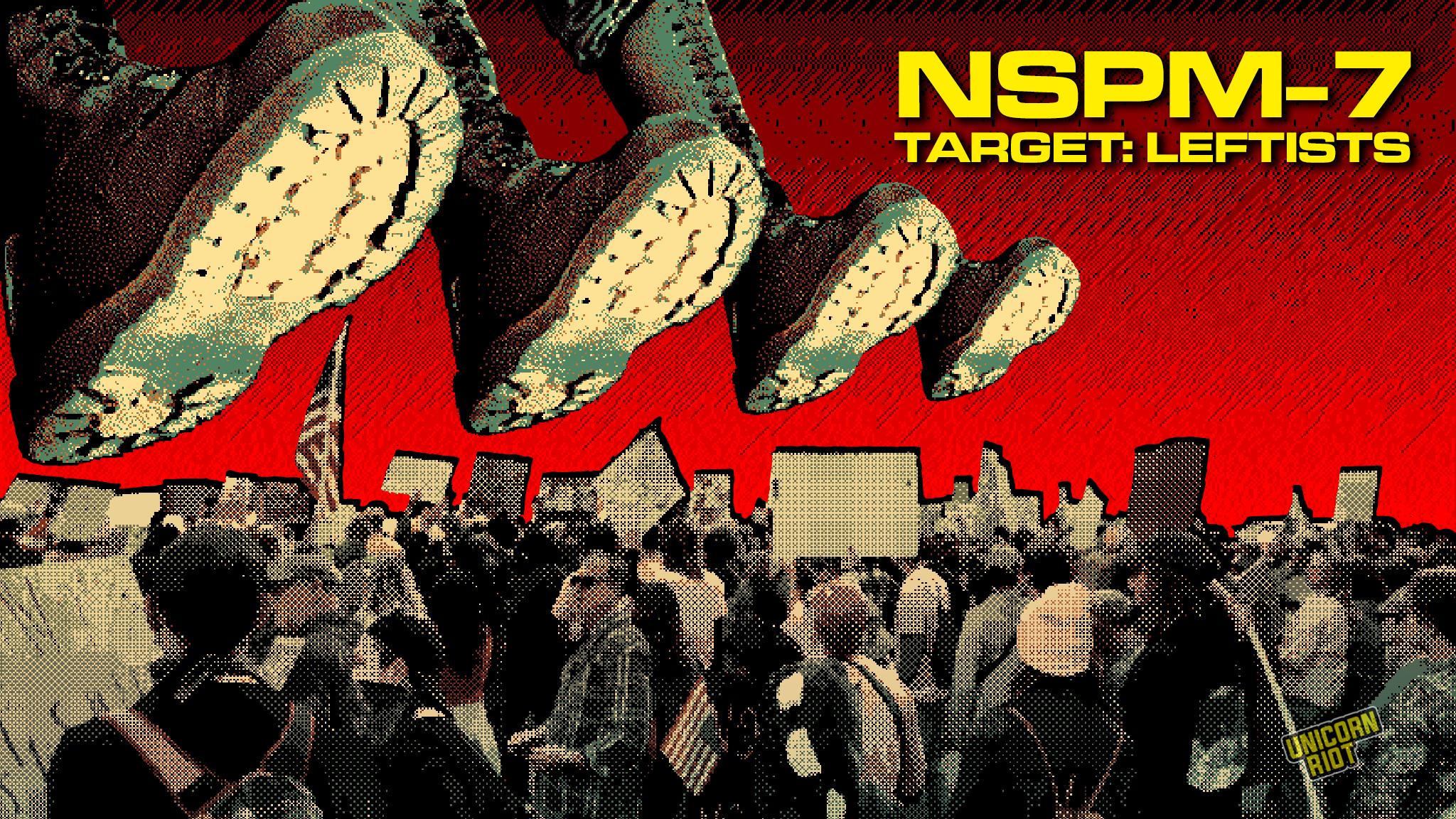
The War on Terror Turns Left - UNICORN RIOT

How the Administration Picks Its Targets, Then Picks the Crime