


“People don’t want a quarter-inch drill, they want a quarter-inch hole” – Theodore Levitt The concept of jobs to be done provides a lens through which to understand value creation. The approach loo…
WRKSHP.tools | Job Map Canvas
Thinking about what your customer is trying to achieve as a way to define your value proposition just makes a lot of sense, instinctively. But how do you actually define that elusive Job to be Done? The Job Map Canvas can help!
CMV: The labor theory of value is flawed
72 votes, 407 comments. This might be an obscure topic, however, in some—largely Marxist circles— the approach seems to motivate much of the dialogue…
Building what customers need, not just what they ask for - Linear
Notes from our product team on building the tools we use every day.

Borrow a Drill, Save the World — Douglas Rushkoff
The high leverage point for systemwide change is not an idea, but a behavior

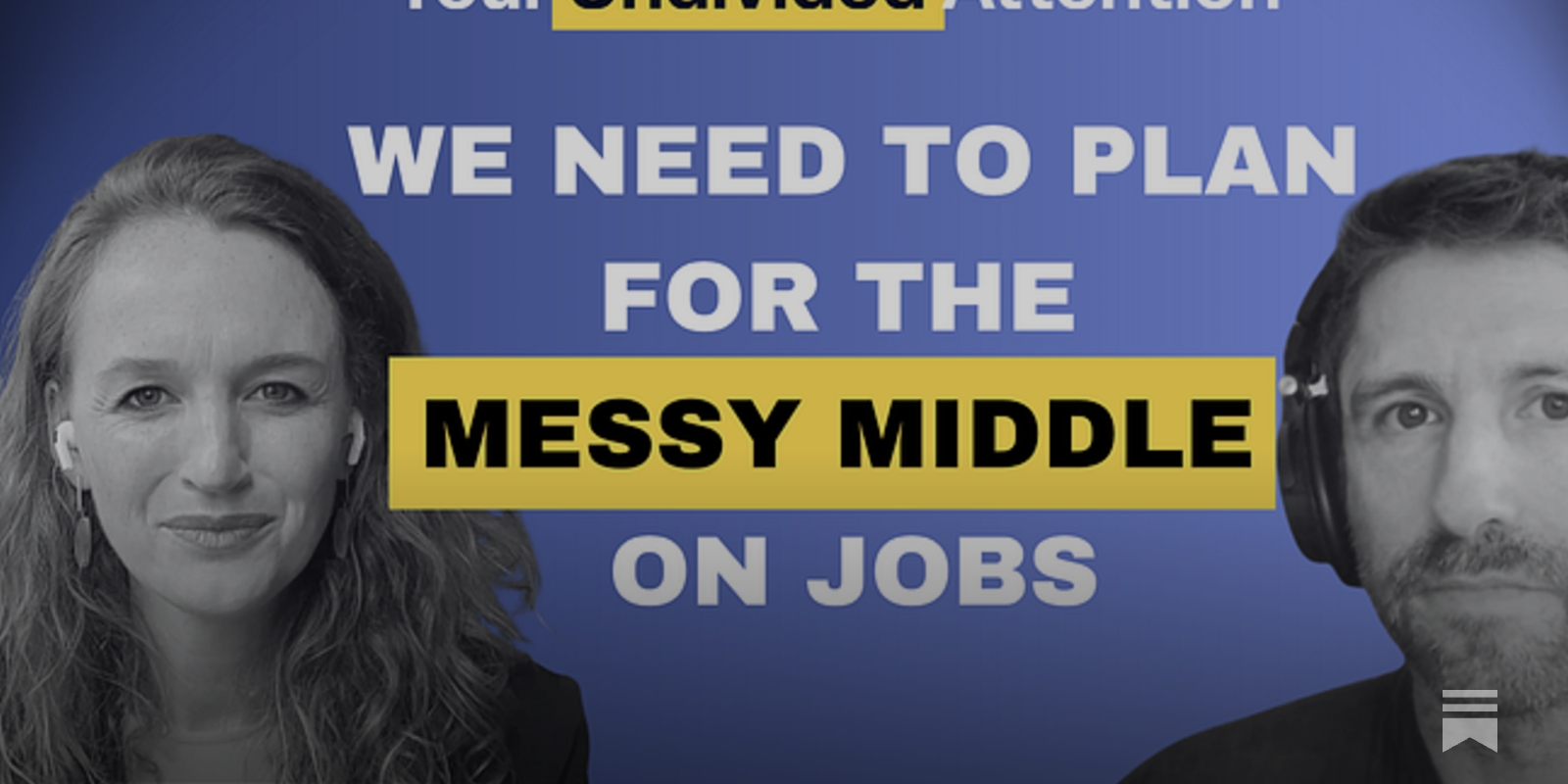
Enough Debate about the AI Jobpocalypse. We Need To Plan for the Messy Middle.
Caught between arguments of abundance and apocalypse, economist Molly Kinder explores what workers can expect in the near future — and what we can do about it.
Making and Tool-Making
Bad tools as the main source of friction for Citybound development - and what I'm going to do about it.

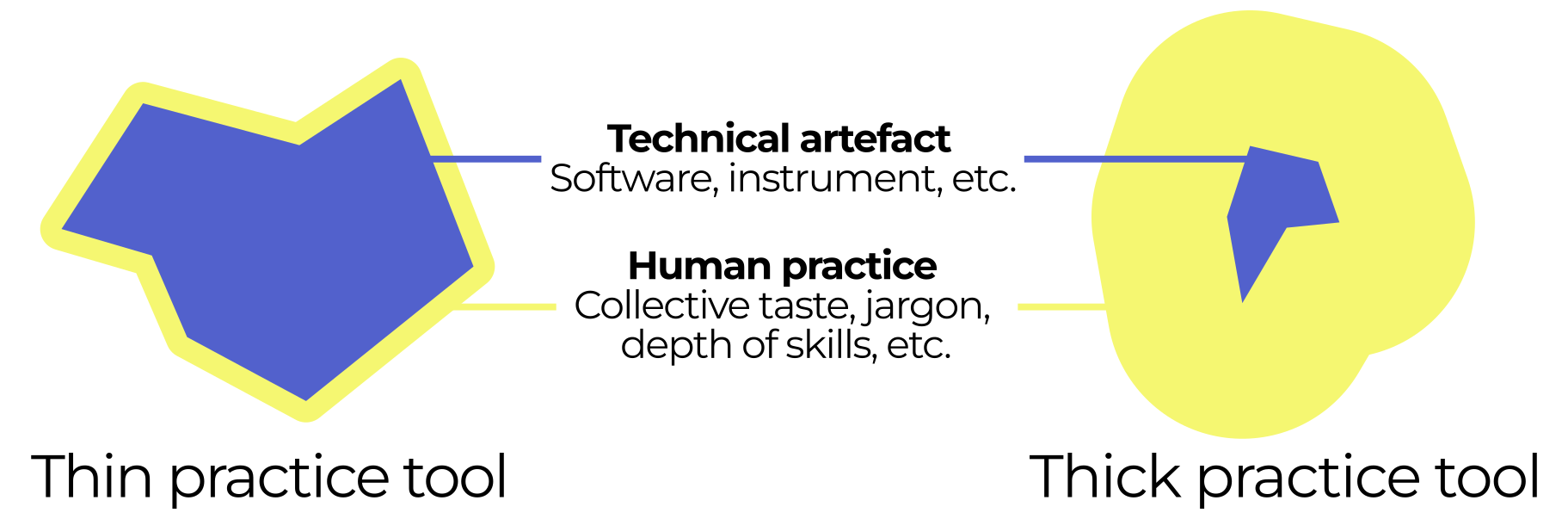
Thick practices for AI tools
This essay is the result of thoughts developed during the PIBBSS fellowship this summer. Thanks to Dusan and Maris for feedback on a draft of this essay. Thanks to Sahil and Niki for discussions that influenced the ideas of this essay. 1. Intro What if we could build AI tools...
AI tools are 'deskilling' workers, philosophy professor says
A philosophy professor warns that AI reliance is weakening workers' judgment, creativity, and problem-solving.
FUTO on Twitter / X
There is a rhyme that goes "Boss makes a dollar, I make a dime". The open source equivalent apparently is "Big tech makes a dollar, FOSS dev makes 1/20th of a penny". https://t.co/9lQDIbCX2w— FUTO (@FUTO_Tech) April 2, 2025
Tech companies are cutting jobs and betting on AI. The payoff is far from guaranteed
AI experts say we’re living in an experiment that may fundamentally change the model of work

What if jobs are not the solution but the problem? | Aeon Essays
Economists believe in full employment. Americans think that work builds character. But what if jobs aren’t working anymore?

What if jobs are not the solution but the problem? | Aeon Essays
Economists believe in full employment. Americans think that work builds character. But what if jobs aren’t working anymore?
When Robots Take All of Our Jobs, Remember the Luddites
What a 19th-century rebellion against automation can teach us about the coming war in the job market
/https://tf-cmsv2-smithsonianmag-media.s3.amazonaws.com/filer/c1/00/c100fb74-7603-4542-9792-e0a78e0c2330/janfeb2017_g01_colcliveluddites-wr.jpg)
one of the reasons why I'm critical of "bigger models will solve this" is that cranking the output velocity of technician work sharpens the need for process work, which is the domain of expertise. process is incredibly hard to get right. most fields are bad at it. and it's *gaining* importance.

Ed
when it comes to LLMs, I have been trying to beat the technician/expert drum. LLMs are becoming master technicians, but they obviously lack integrative capabilities to deploy expertise. but I'm starting to realize that a lot of people don't understand, or don't value the difference.
