

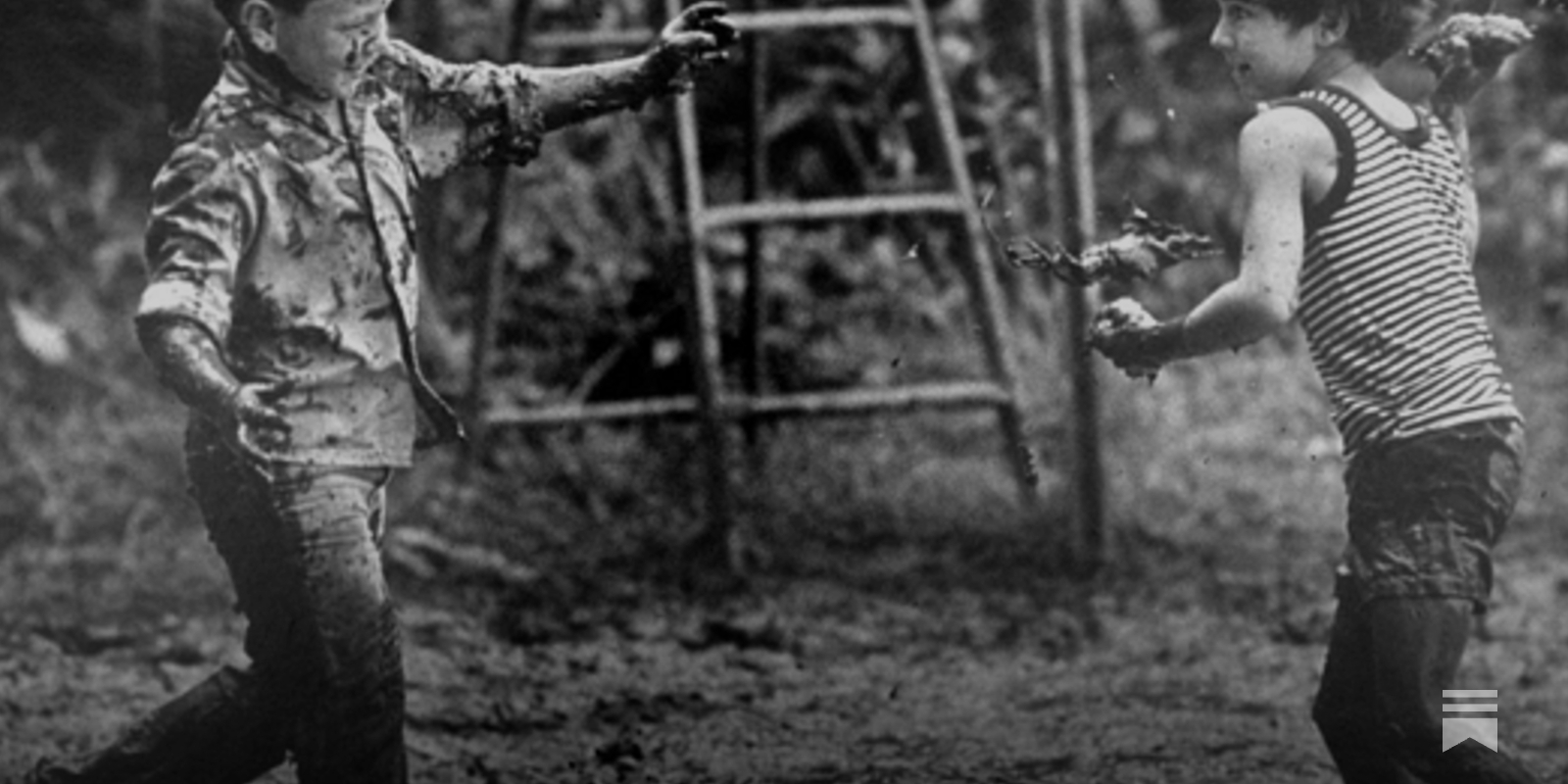
Or "Spiderman Is My Boyfriend"
Best practices: conversation design
An introduction to IBM Research’s Natural Conversation Framework

ConvoKit: Conversational Analysis Toolkit
This toolkit contains tools to extract conversational features and analyze social phenomena in conversations, using a single unified interface inspired by (and compatible with) scikit-learn. Several large conversational datasets are included together with scripts exemplifying the use of the toolkit on these datasets. The latest version is 4.1.2 (released June 26, 2026); follow the project on GitHub to keep track of updates.
How to turn small talk into smart conversation
Tips from a comedian and a journalist on the art of going from small talk to big ideas. Try these out at the next summer wedding reception.
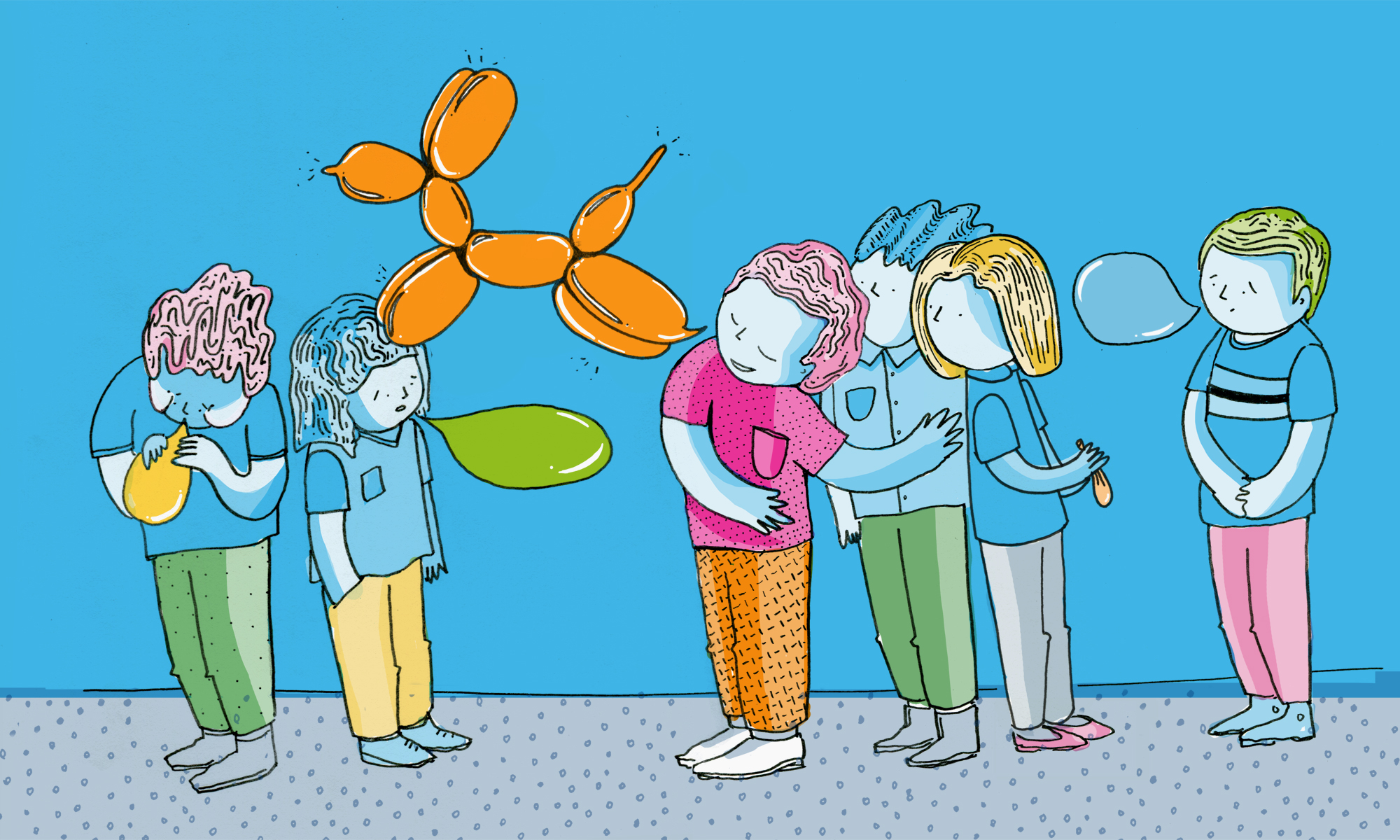
Exploring Conversation Design: Applications and Benefits
Discover the what, why and how of Conversation Design, including its definition, applications, and benefits.
Texting a Random Stranger Better for Loneliness Than Talking to a Chatbot, Study Shows
A newly published study of how college students interact with chatbots and human strangers showed talking to a random person offers more connection than an LLM.

Do language models accommodate their users? A study of linguistic convergence
While large language models (LLMs) are generally considered proficient in generating language, how similar their language usage is to that of humans remains understudied. In this paper, we test whether models exhibit linguistic convergence, a core pragmatic element of human language communication: do models adapt, or converge, to the linguistic patterns of their user? To answer this, we systematically compare model completions of existing dialogues to original human responses across sixteen language models, three dialogue corpora, and various stylometric features. We find that models strongly converge to the conversation's style, often significantly overfitting relative to the human baseline. While convergence patterns are often feature-specific, we observe consistent shifts in convergence across modeling settings, with instruction-tuned and larger models converging less than their pretrained and smaller counterparts. Given the differences in human and model convergence patterns, we hypothesize that the underlying mechanisms driving these behaviors are very different.
Do language models accommodate their users? A study of linguistic convergence
While large language models (LLMs) are generally considered proficient in generating language, how similar their language usage is to that of humans remains understudied. In this paper, we test whether models exhibit linguistic convergence, a core pragmatic element of human language communication: do models adapt, or converge, to the linguistic patterns of their user? To answer this, we systematically compare model completions of existing dialogues to original human responses across sixteen language models, three dialogue corpora, and various stylometric features. We find that models strongly converge to the conversation's style, often significantly overfitting relative to the human baseline. While convergence patterns are often feature-specific, we observe consistent shifts in convergence across modeling settings, with instruction-tuned and larger models converging less than their pretrained and smaller counterparts. Given the differences in human and model convergence patterns, we hypothesize that the underlying mechanisms driving these behaviors are very different.
Conversation Skills Essentials
A teacher friend of mine told me that this year students were different. If she asked to see a hall pass from a freshman, they'd give her the finger. They swore at her and were gen...

Introducing Gitter Topics
We all 💜 a good chat - but do you ever feel there’s a little something missing from the conversation? We've decided to fill this gap, and over the coming weeks we’re enabling a new feature - Topics. Topics brings more structured conversations and content to your community. You can

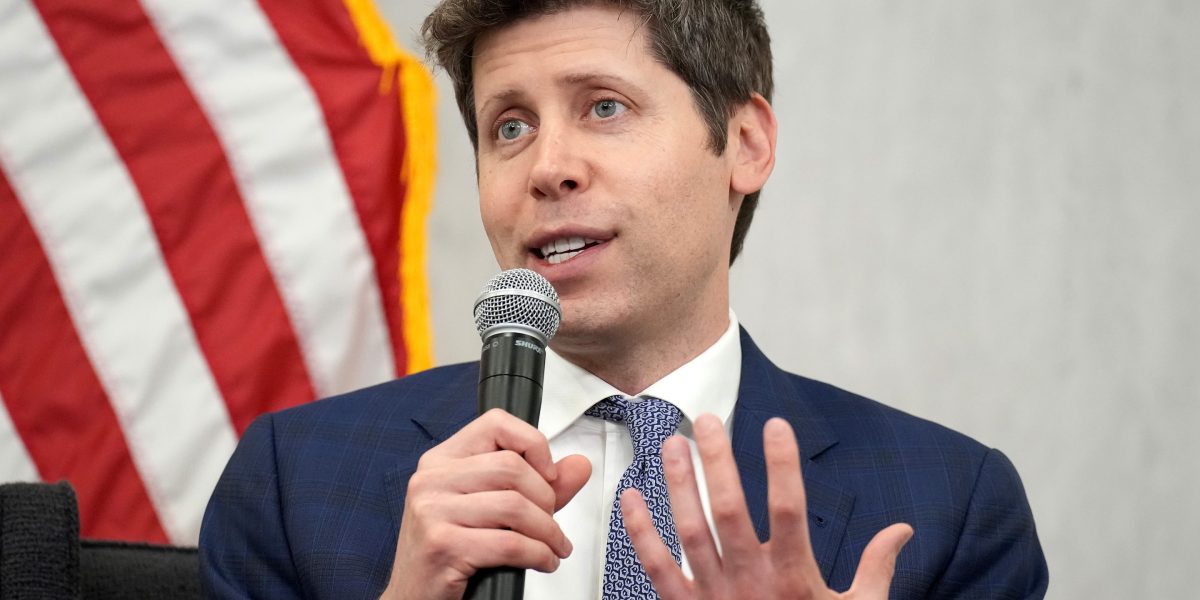
Sam Altman says people are starting to talk like AI, making some human interactions 'feel very fake' | Fortune
“Real people have picked up quirks of LLM-speak,” the OpenAI CEO said.
LLMs and people both learn to form conventions -- just not with each other
Humans align to one another in conversation -- adopting shared conventions that ease communication. We test whether LLMs form the same kinds of conventions in a multimodal communication game. Both humans and LLMs display evidence of convention-formation (increasing the accuracy and consistency of their turns while decreasing their length) when communicating in same-type dyads (humans with humans, AI with AI). However, heterogenous human-AI pairs fail -- suggesting differences in communicative tendencies. In Experiment 2, we ask whether LLMs can be induced to behave more like human conversants, by prompting them to produce superficially humanlike behavior. While the length of their messages matches that of human pairs, accuracy and lexical overlap in human-LLM pairs continues to lag behind that of both human-human and AI-AI pairs. These results suggest that conversational alignment requires more than just the ability to mimic previous interactions, but also shared interpretative biases toward the meanings that are conveyed.

Conversational Design — MULE BOOKS
The interaction design book that explains why chatbots tend to suck

Luozhu on Twitter / X
I taught a speech model to understand context in conversation. This is what happenedIt adjusts voice and tone to express urgency, comfort, understanding from the dialogue. Just like a real human being520M model. Runs locally on consumer devicesHow this is achieved 🧵 pic.twitter.com/oMgSh2TKbO— Luozhu (@LuozhuZhang) February 27, 2026

What are your top 3 conversations on the state of the atmosphere? 😀

Daryl Ducharme
Going to #AtmosphereConf in a few weeks and feeling like I have a lot to learn from the @atprotocol.dev community. Any projects or resources that I should look at before I show up?
Reupping a 🧵 from this summer: This product is supposedly about conversations, but it's missing a key feature which highlights the interactions we've had The most useful tab I could have when viewing your profile is a timeline focused on *our* conversations: quotes, replies, reposts, likes, etc.

Paul Rohr
For example, what if MY view of YOUR profile included an affordance which let me chronologically browse the intersection of: - everything you posted + I liked, or - vice versa Would those two be separate timelines, or just a single conversational flow of all our mutual interactions? Hmmm...

