

Explore the Distributed Press ecosystem. Find sites leveraging decentralized publishing.
Single-Source Publishing Community
Join the Single-Source Publishing Community for open, interoperable, and sustainable scholarly publishing workflows.


Hypermedia
Welcome to the Hypermedia Protocol: a decentralized publishing and discussion network
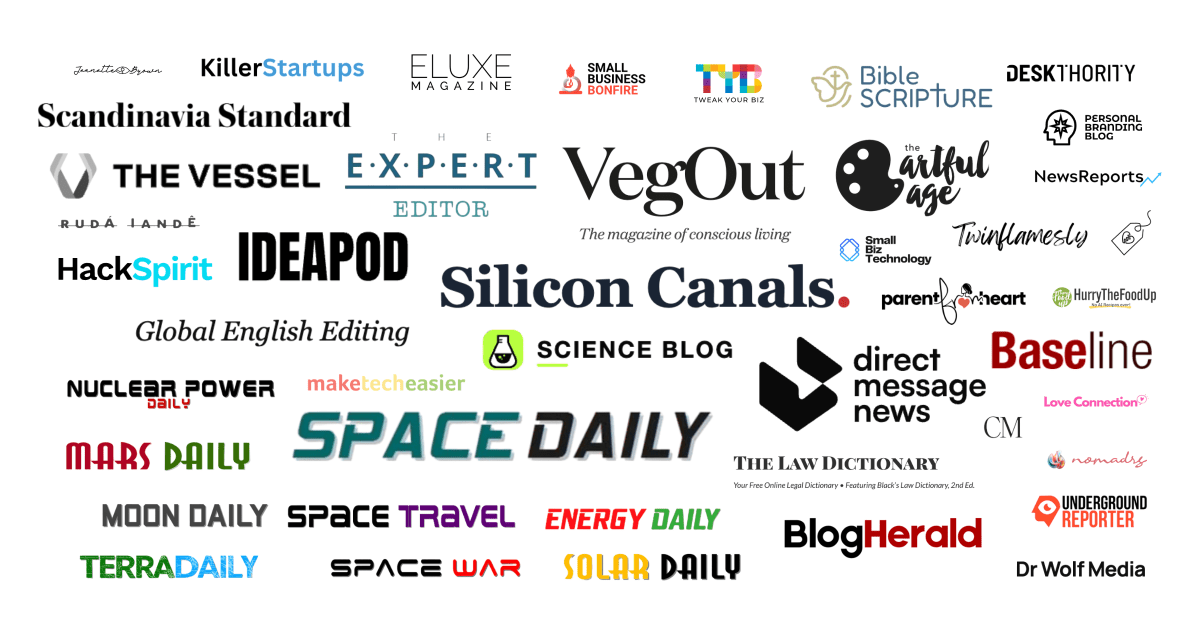
Here’s Every Known Publication Owned by Brown Brothers Media, Which Buys News Sites and Turns Them Into AI-Powered Content Mills
The little-known company Brown Brothers Media operates a vast media empire. Here are the many sites we've linked to the network.
IndieSearch
I built a prototype for client-side, fully distributed search for the IndieWeb — check out the demo & a little explainer.
Empowering science communities with open, democratic, researcher-owned infrastructure.
We’re building communities and tech for publishing, curating, sharing, and discussing research online using ATProto and other decentralized protocols.

Empowering science communities with open, democratic, researcher-owned infrastructure.
We’re building communities and tech for publishing, curating, sharing, and discussing research online using ATProto and other decentralized protocols.
Medium acquires Superfeedr
Publishing on the web is changing drastically. Medium is one of these few companies which are building the future of publishing and reading. We're excited to join forces with them and continue building the open web in this new era!

Chad Kohalyk (@chadkoh@indieweb.social)
Web publishing is facing its next challenge: a new iteration of centralizing platforms. BUT there is also a new wave of open protocols and standards that can help us gain our independence. Next month in NYC we are gathering a group of frontier technologists and popular web publishers to discuss how we can sail into this next platform shift as captains. #ProtocolsForPublishers https://pfp.unternet.co