


No, it's not rampant abuse, weak leadership, or a product that intimidates new users. The roots of Twitter's stagnation go back to 2010.
The Next Twitter Is Just Thousands of Smaller Twitters
One of the biggest open-ended questions in the tech world is whether Twitter is truly dying—and if it is, what will replace it. Last December, I argued that whatever came next might feel like Twitter in certain ways, but that ultimately there was probably no way to recapture the lightning in a ...


Twitter Wants to Reinvent Itself, by Merging the Old With the New (Published 2022)
The company is undertaking a far-reaching effort to change how it works. For some, it is an echo of their early idealism and a vision for what the internet could have been.

Shifts in U.S. Social Media Use, 2020–2024: Decline, Fragmentation, and Enduring Polarization
The social media ecosystem appears to be in flux. Twitter’s rebranding to X has come to symbolize a broader reorganization of online publics – political reshuffling, user attrition, and uncertainty over the role of legacy platforms. Simultaneously, the shift from text-based, networked feeds toward algorithmically curated, short-form video has accelerated, with TikTok setting the pace for the wider ecosystem [18, 14, 16]. At the same time, everyday communication increasingly migrates from large, open networks to semi-private spaces such as group chats and messaging apps. Commentators describe a digital public sphere in transition: smaller, more fragmented, less dominated by traditional social networking sites, and rise of more broadcast-oriented forms of media – with some even suggesting that we are seeing the beginning of the end of the social media era.
The Destructive Switch from Search to Social
2006 wasn’t a great year for our brains. In July, Twitter launched to the world, and in September, Facebook added the News Feed. But…

Twitterlike is a Bad Shape
Twitter and its imitators have adopted a structural design that is fundamentally bad for people. This isn't just a matter of who's in charge; it's a problem with the thing itself. Forcing users to adhere to a tight character limit, discouraging link culture, preventing people from editing their own posts, steering people into sharing things they hate, incentivizing rage bait with trending feeds, subjecting people to decontextualized encounters, encouraging conflict by discouraging tags, and leaving users powerless to clean up the resulting mess—all of this is bad shape.

My 2024 thoughts on the state of social media
I see a continued fragmentation of social media as people leave X(Twitter).

Twitter and What Might Have Been
Twitter’s blog is generally a cheery place, with one big exception from 2012: the innocuously named Changes Coming in Version 1.1 of the Twitter API, and in particular, the section called …

Twitter Thoughts For You
I previously have written back in March 2022 about how I use Twitter, and back in April 2023 about Twitter and its then-new algorithms, which have changed again.
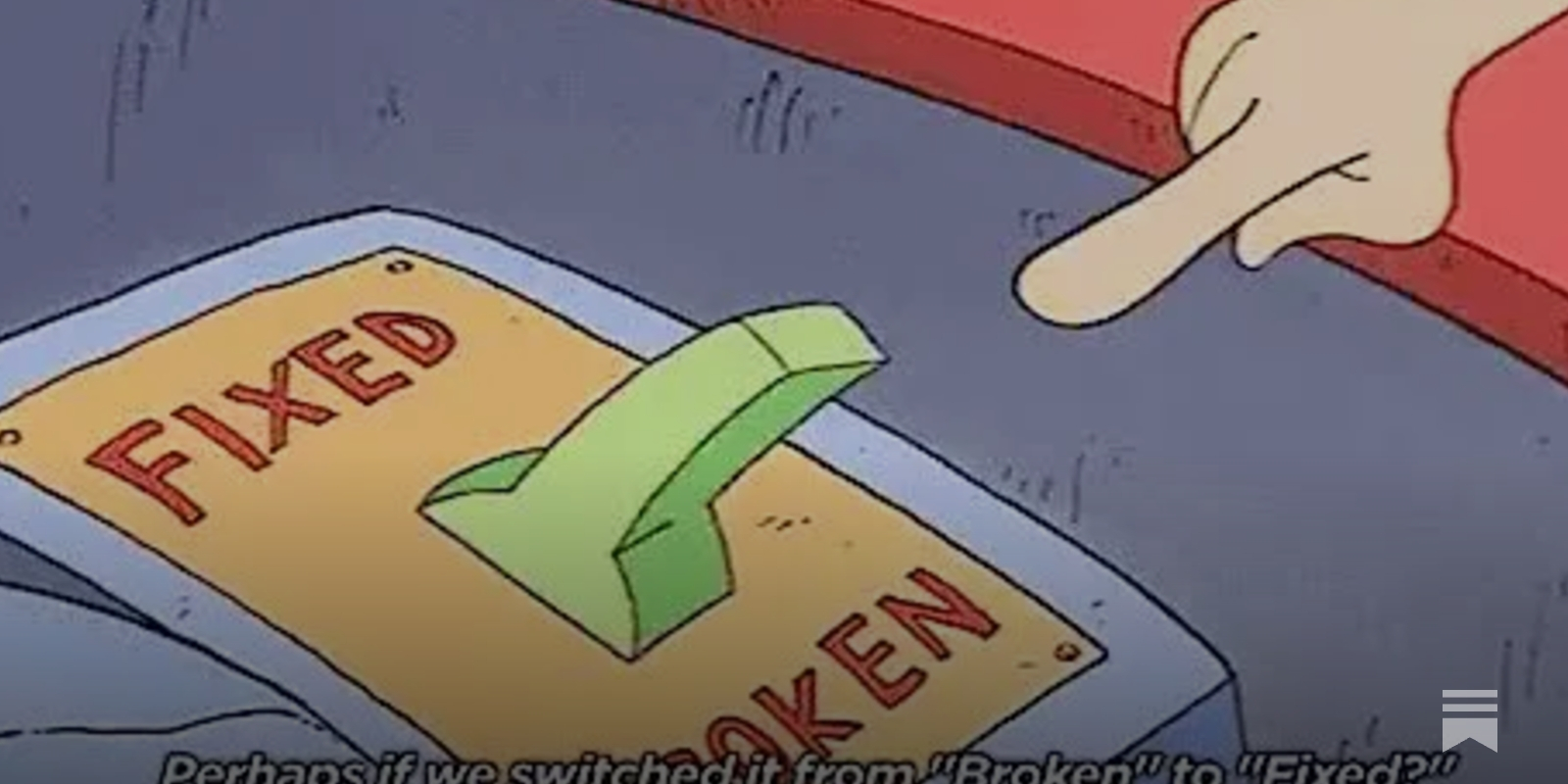
How The Enshittification Of Social Media Is Decreasing The Switching Costs And Enabling Something New
In the last few weeks I’ve written about how Elon Musk’s “changes” to how Twitter is running have done an amazing job convincing people to join Mastodon. And I’ve also…

The Weird, Fragmented World of Social Media After Twitter - The Atlan…
archived 7 Aug 2023 02:41:57 UTC

The Failed Migration of Academic Twitter: A Case Study of...
Following changes in Twitter's ownership in 2022 and subsequent changes to content moderation policies, many in academia looked to move their discourse elsewhere and migration to Mastodon was...

Criticism of X (social network)
X, formerly known as Twitter, has faced various criticisms over the years, particularly concerning content moderation, censorship, and platform management.
The Weird, Fragmented World of Social Media After Twitter
The common forum that Elon Musk destroyed will never be replaced—and that’s okay.
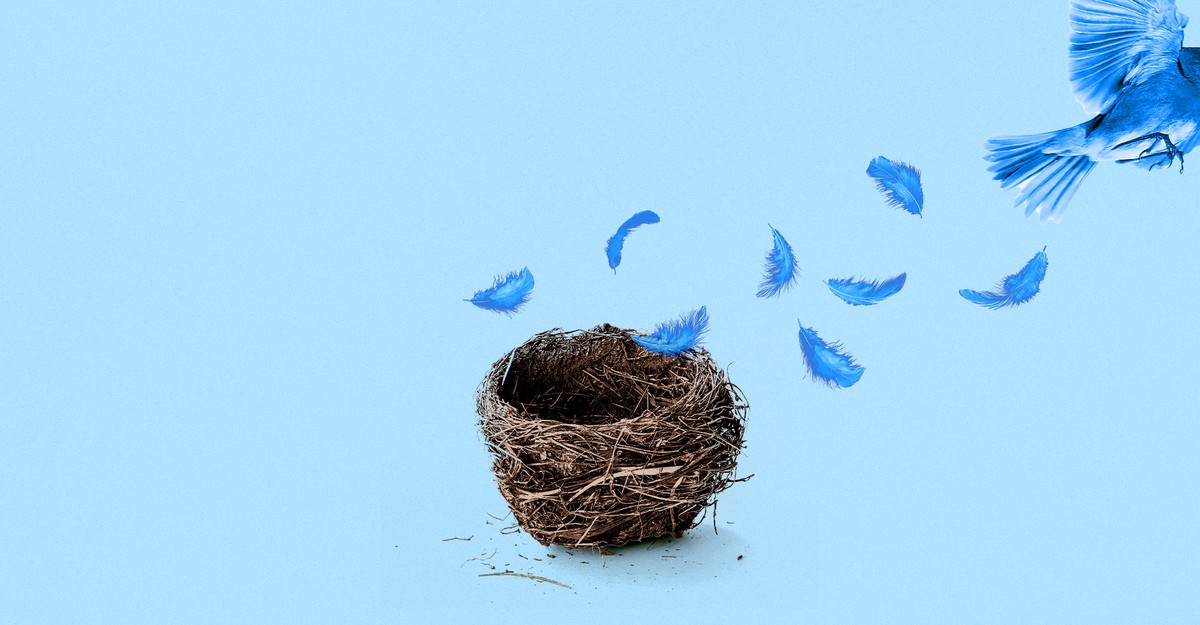
"Did We Create This Monster?" How Twitter Turned Toxic - Fast Company
For years, the company’s zeal for free speech blinded it to safety concerns. Now it’s scrambling to make up for lost time.
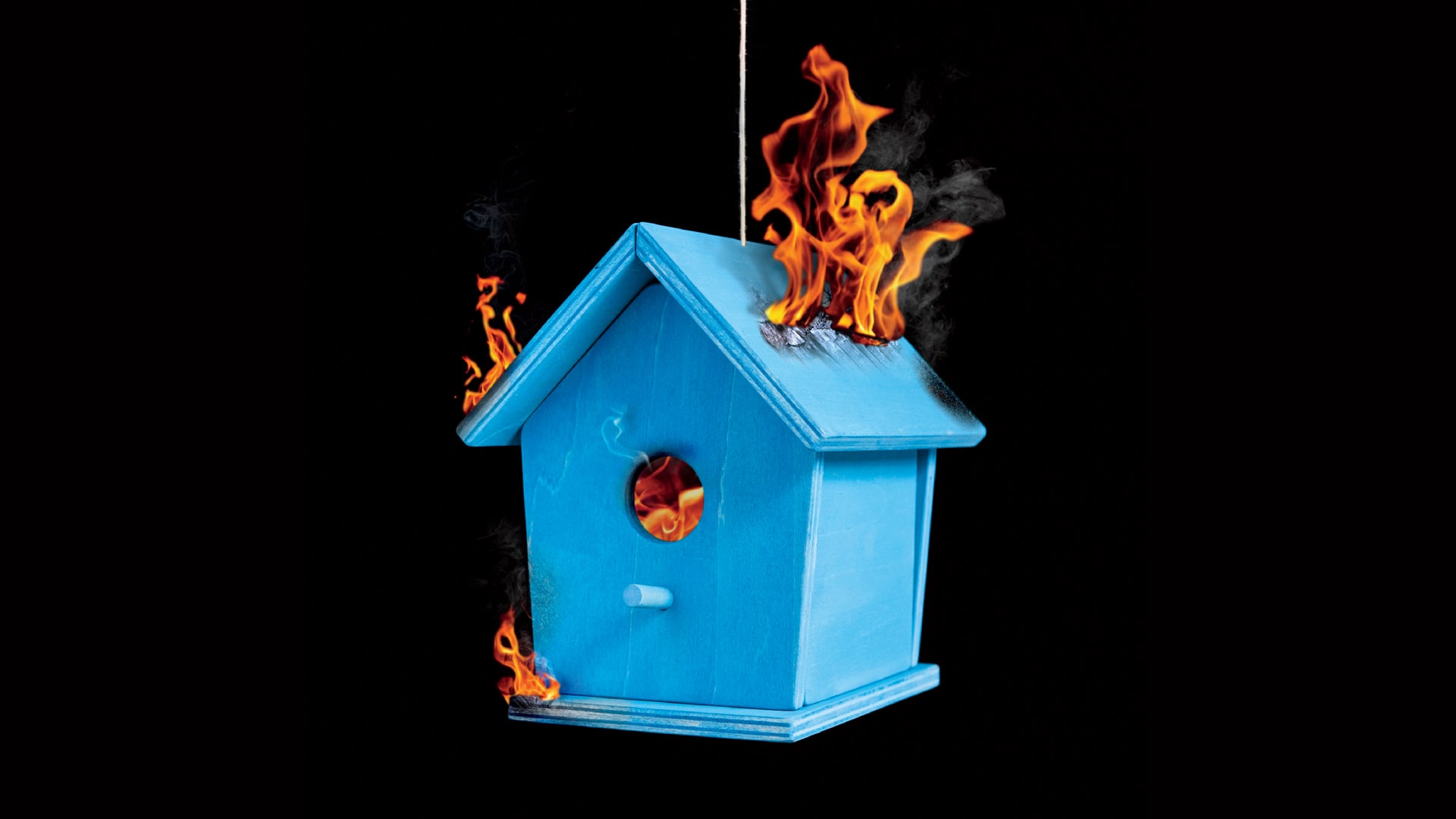
Twitter died a long time ago and X isn't worth it. Before I made the jump, my ego was holding me back. I was too concerned with vanity metrics. I finally realized if you're posting stuff people want to follow, then they'll follow you, even when you leave. siliconrepublic.com/enterprise/kelsey-hightower-b…

Open-source champion Kelsey Hightower on the promise of Bluesky
www.siliconrepublic.com