

Create interactive, explorable decks that truly deliver

mdx-deck: slide decks powered by markdown and react
Why it's awesome, what it is, how it works, and how to use mdx-deck.
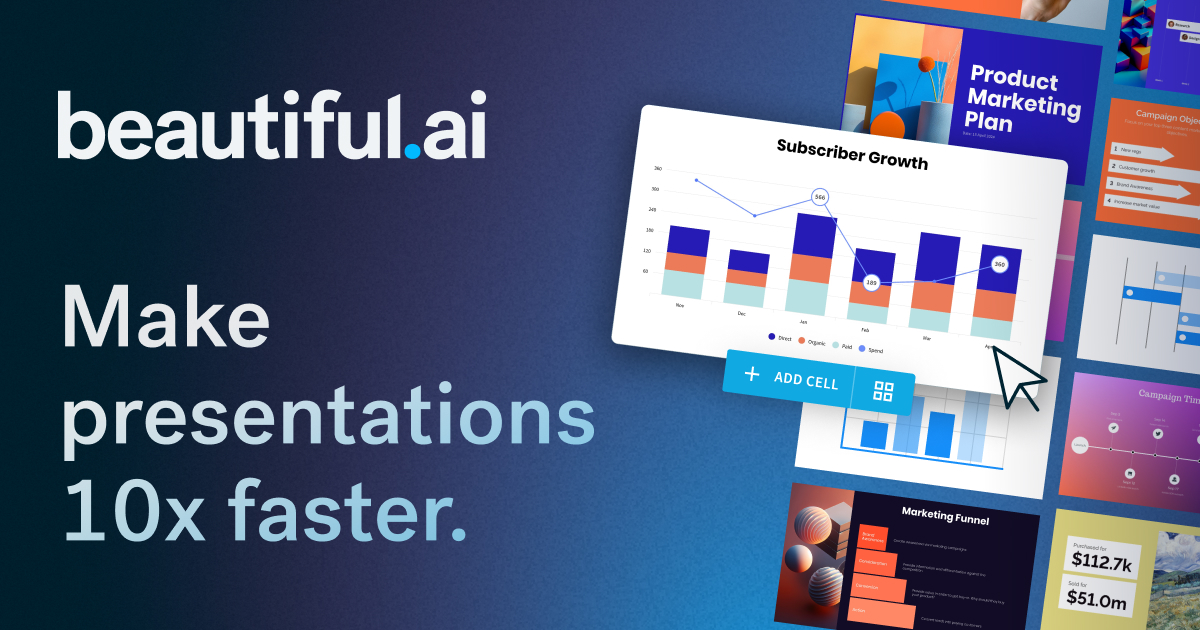
Presentation Design 101: Hottest Design Trends to Keep Your Slides Fresh | The Beautiful Blog
Presentations have come a long way people: Gone are the days of special effects, gifs, and bullet list fatigue. We’ve also waved goodbye to ClipArt; s...

WRKSHP.tools | Storytelling Canvas
Create better stories and presentations in under 45 minutes using the Storytelling Canvas
Substrates conference series - Substrates 2026
An increasing number of researchers see their work as interactive authoring tools or software substrates for interactive computational media. By talking about “authoring tools”, we remove the divide between programmers and users; “software substrates” let us look beyond conventional programming languages and systems; and “interactive computational media” promises a more malleable and adaptable notion of tools for thought we are striving for. This workshop aims to bring together a wide range of perspectives on these matters.
Tangible Functional Programming
Faces: Slides worth presenting
Faces is the AI presentation tool where every slide uses the full power of the web.

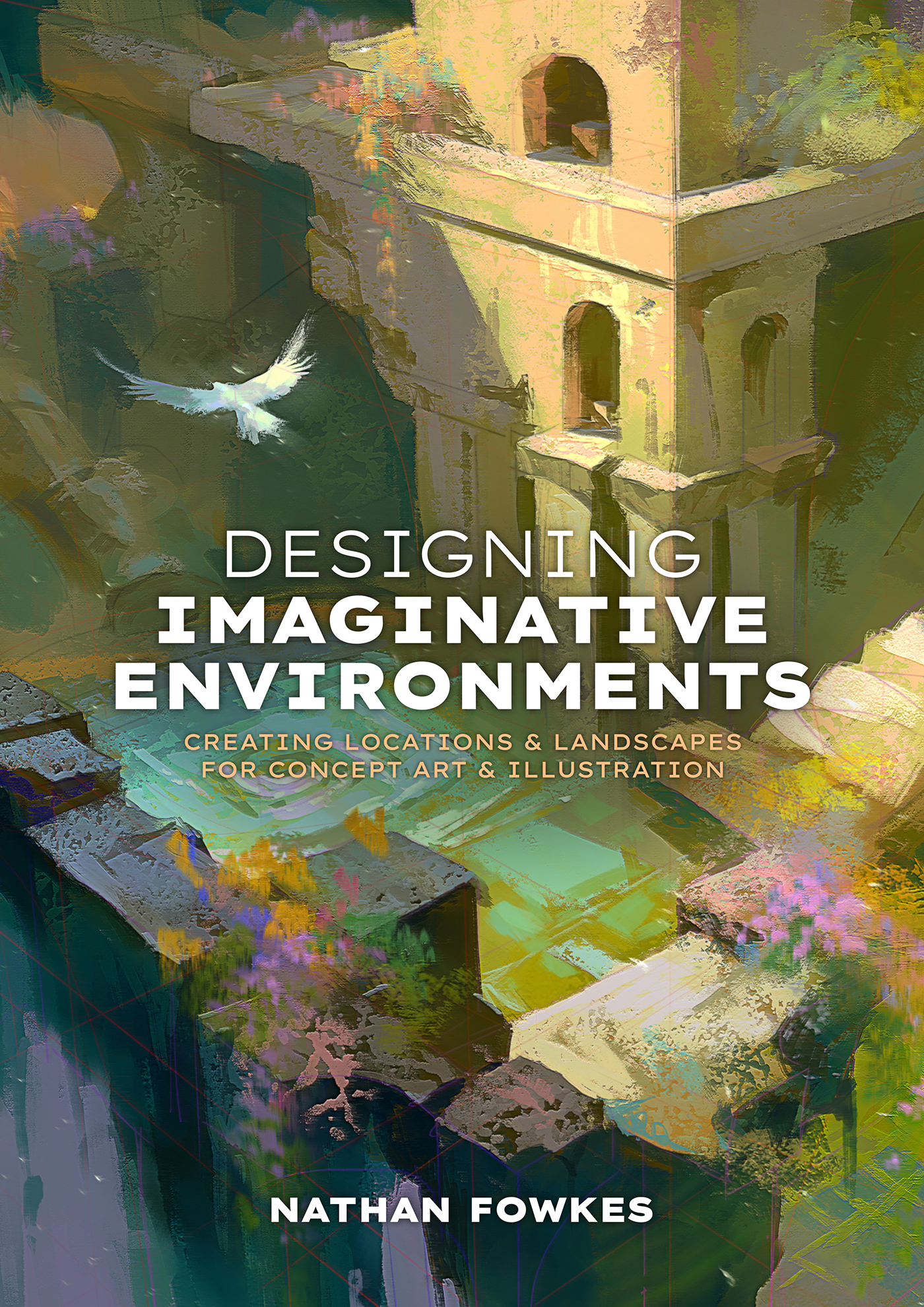
Designing Imaginative Environments by Nathan Fowkes
Join industry veteran Nathan Fowkes on a deep dive into the hows and whys of designing environments for entertainment. From creating mood with color and light, to exploring different biomes and weather, to crafting architecture and props, he will teach you how to design amazing environments that make your work stand out from the crowd.
Generative UI: A rich, custom, visual interactive user experience for any prompt
Yaniv Leviathan, Google Fellow, Dani Valevski, Senior Staff Software Engineer, Vishnu Natchu, Principal Engineer, and Yossi Matias, Vice President & Head of Google Research

Using functional lenses we can project a reactive notebook to also be a slide deck (at the same time). observablehq.com/@tomlarkworthy/slides riffed from @jwolondon.bsky.social slides design but with offline-first support
