

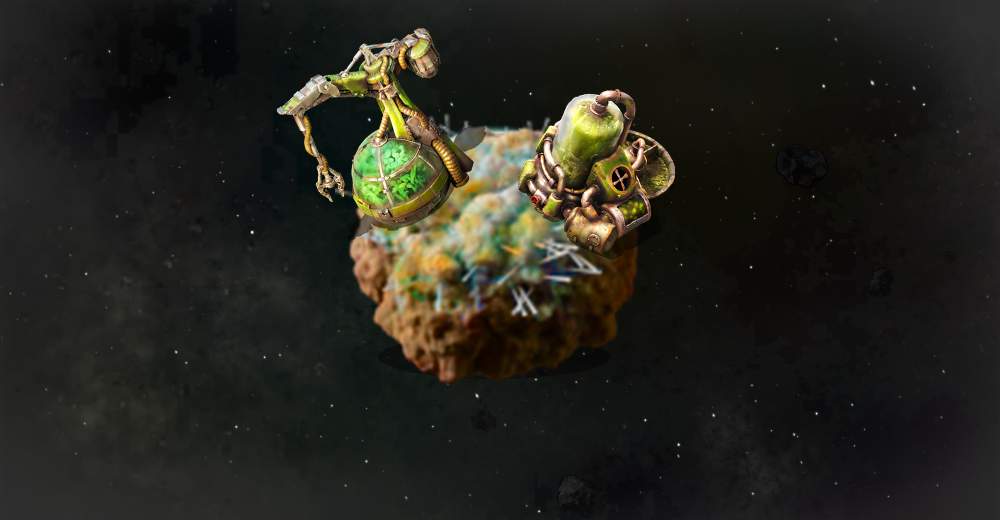
Hello, last week you've seen how Gleba looks, it's time to get a glimpse of what you can do there. With the idea of being a biological planet full of life, it seems reasonable to expect our engineer is about to harvest some of that. We already have ways of harvesting nature, specifically trees. On Nauvis we either just hit them with an axe enough times, or later our construction robots take care of that friendly forest devastation. These tools aren't quite up to speed to be a part of a mass-production chain in our factories, though... Both of the Nauvis methods are initiated manually so not the best for automation, and the trees don't grow back - so once an area has been harvested, you need to move your operation further.
Open Agroecology Laboratory – REGOSH
We build open tools and participatory processes to support agroecological transitions.
Can We Grow More Food on Less Land? | Hacker News
Quick overview of a farmer's land that uses this method: https://www.youtube.com/watch?v=stABAx82TbY he harvest around 3x more cocoa per hectare than traditional methods and its one of the most valuable in the world right now.
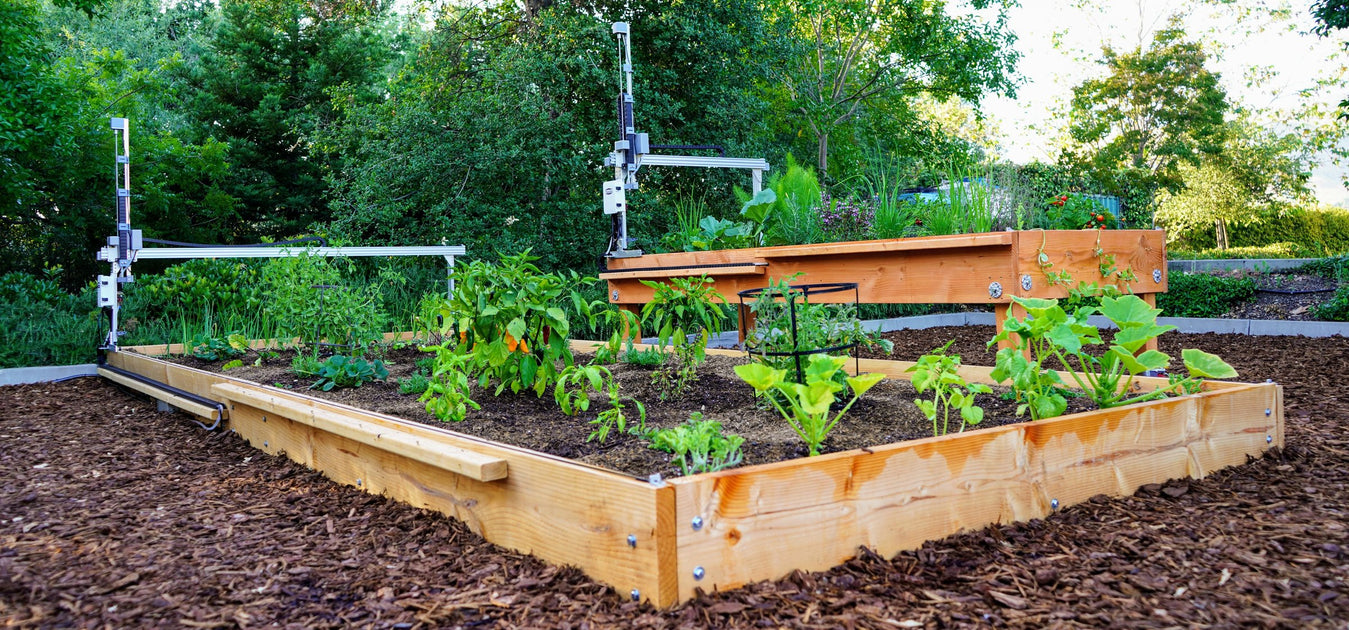
FarmBot | Open-Source CNC Farming
Farming and gardening robots for home, educational, and commercial use. Premium Hardware · Worldwide Shipping · Drag and Drop Farm Designer · Step-by-Step Assembly Instructions · Own Your Food
The brutal trade-off that will decide the future of food
A growing number of thinkers say factory farming can help save the planet. Are they right?

Dark Forestry | Henry From Online
Seasons are changing for technologists, and the industry we work in isn't the same as it was a decade ago. We have new realities and new responsibilities to accept.

Dark Forestry | Henry From Online
Seasons are changing for technologists, and the industry we work in isn't the same as it was a decade ago. We have new realities and new responsibilities to accept.
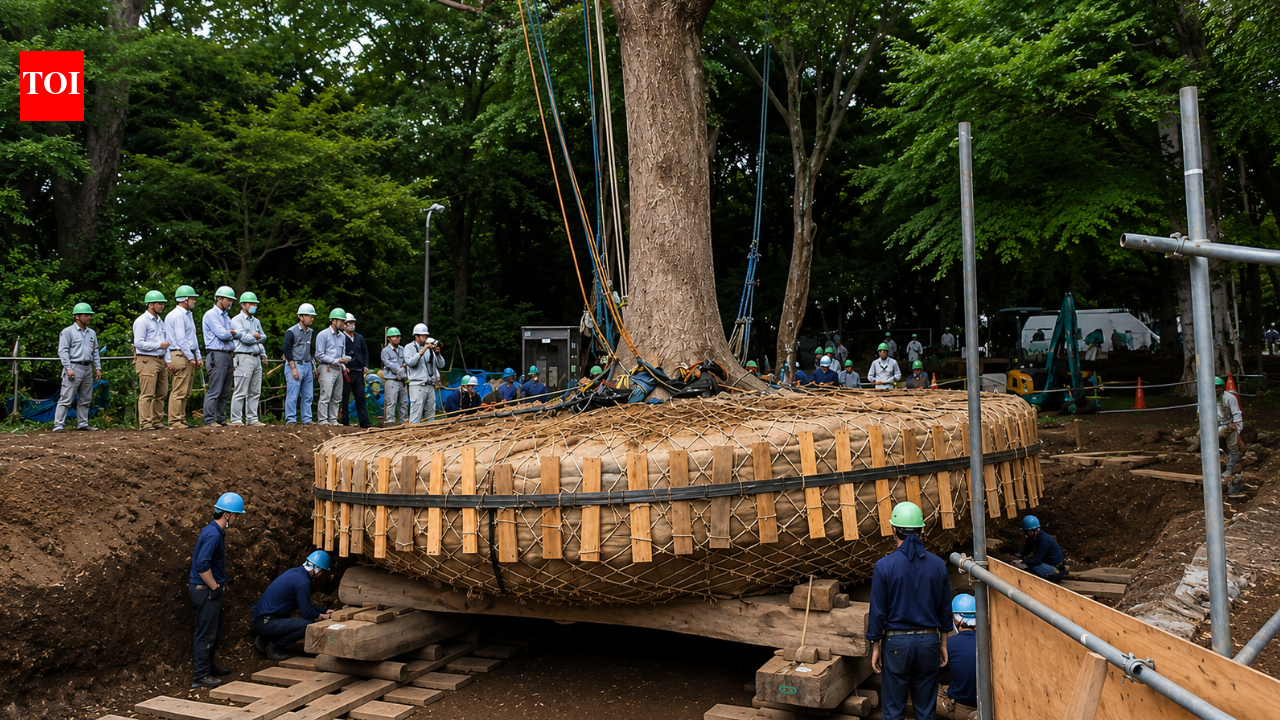
Japan does not cut down centuries-old trees for development. Instead, experts spend months preparing their roots and relocating them
When roads, railways or new buildings are planned, centuries-old trees are often among the first casualties of development. In Japan, however, some of the country's most valuable trees are given a second chance.
Sepp Holzer's Permaculture: A Practical Guide to Small-Scale, Integrative Farming and Gardening
Sepp Holzer farms steep mountainsides in Austria 1,500 meters above sea level. His farm is an intricate network of terraces, raised beds, ponds, waterways and tracks, well covered with productive fruit trees and other vegetation, with the farmhouse neatly nestling amongst them. This is in dramatic contrast to his neighbors' spruce monocultures.In this book, Holzer shares the skill and knowledge acquired over his lifetime. He covers every aspect of his farming methods, not just how to create a holistic system on the farm itself, but how to make a living from it. Holzer writes about everything from the overall concepts, down to the practical details.In Sepp Holzer's Permaculturereaders will learn: How he sets up a permaculture system The fruit varieties he has found best for permaculture growing How to construct terraces, ponds, and waterways How to build shelters for animals and how to work with them on the land How to cultivate edible mushrooms in the garden and on the farm and much more! Holzer offers a wealth of information for the gardener, smallholder or alternative farmer yet the book's greatest value is the attitudes it teaches. He reveals the thinking processes based on principles found in nature that create his productive systems. These can be applied anywhere.

Iowa Crops Look Like Food — But No One’s Eating
Inside a system that traps farmers, and screws up the planet

A “right to repair” movement tools up
From tractors to smartphones, mending things is getting ever harder

Swidden Agriculture and Forest Ecosystem Dynamics | Forest Ecosystems | Forestry Sciences | Applied sciences | Topics | Nature Index
Swidden agriculture, often termed slash-and-burn or shifting cultivation, encompasses cycles of clearing forested land by cutting and burning, cultivating ...
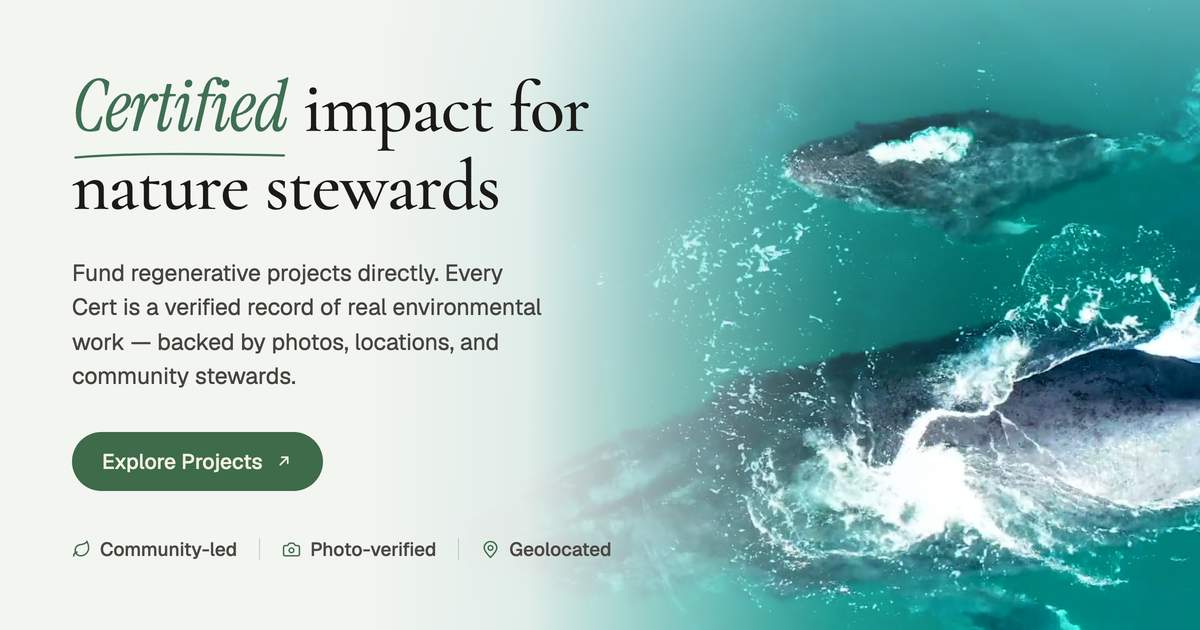
GainForest — Fund Regenerative Impact
GainForest connects funders with nature stewards doing on-ground regenerative work. Fund verified environmental impact directly.
https://www.thegardensaltspring.com/The Garden Salt Spring Island | cold-hardy citrus & avocado production in Canada | growing healthy soils & nutrient dense food | anaerobic digestion & Johnson-Su
The Garden is an innovative farm in Canada's Pacific Southwest. It focuses on developing resource-efficient systems for greenhouse and orchard production. It applies regenerative practices for on-farm nutrient cycling. The farm operates a small-scale anaerobic digester, has extensive rainwater catchment, and assesses progress with on-farm analysis of soil and plants using Soil Food Web microscopy, brix, and off-farm leaf sap analysis. Visit our blog, YouTube channel and workshop opportunities.
Synthetic Biology of Plants and Microbes for Agriculture, Environment, and Future Applications
Agriculture is under pressure to provide food for a growing population and the feedstock required to drive the bioeconomy. Methods to breed and genetically modify plants are inadequate to keep pace. When engineering crops, traits are painstakingly introduced into plants one-at-a-time, combine unpredictably, and are continuously expressed. Synthetic biology is changing these paradigms with new genome construction tools, computer aided design (CAD), and artificial intelligence (AI). “Smart plants” contain circuits that respond to environmental change, alter morphology, or respond to threats. Further, the plant and associated microbes (fungi, bacteria, archaea) are now being viewed by genetic engineers as a holistic system. Historically, plant health has been enhanced by many natural and laboratory-evolved soil microbes marketed to enhance growth or provide nutrients, or pest/stress resistance. Synthetic biology has expanded the number of species that can be engineered, increased the complexity of engineered functions, controlled environmental release, and can assemble stable consortia. New CAD tools will manage genetic engineering projects spanning multiple plant genomes (nucleus, chloroplast, mitochondrion) and the thousands of genomes of associated bacteria/fungi. This review covers advanced genetic engineering techniques to drive the next agricultural revolution, as well as push plant engineering into new realms for manufacturing, infrastructure, sensing, and remediation.

openfarmcc/OpenFarm
A free and open database for farming and gardening knowledge. You can grow anything!