

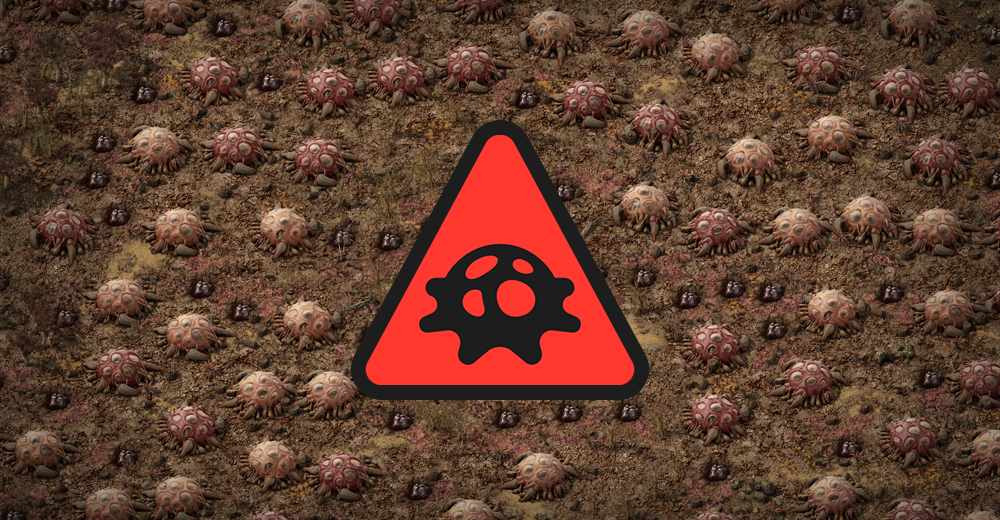
Hello, We have another dose of human generated facts for you. I was planning to write about these biter and enemy behavior changes before the 2.1 release, but an unfortunately timed neck injury led to it being postponed. The silver lining here is that now I can write about all the player reactions and funny bugs we've found along the way. We might be getting into controversial territory here, but I like the biters and I like fighting them. I like clearing nests when expanding. I especially like defending against them when they smell my success. However I never had fun with the expansion groups. The whole feature just didn't seem to land right, and I would like to know if many other players agree — so let's delve right in.

Debug Project
Bad mosquitoes spread disease. Good mosquitoes stop them. We're using technology to raise and release good mosquitoes.

The wild rise and fall of Flappy Bird | Version History
Tom Seeley: Honeybee Democracy
@bitemenewyorkcity on Instagram: "Had this spot on my list for a while. Was scouting nearby so popped in for a quick bite and holy God I cannot wait to get back. Some of the best dogs I ever ate. Natural casing dogs cooked slowly on a flat top. Result was not just a snap but an actual crunch when you bite into them. They were crispy dogs. A dab of cheese and mustard, crisp raw onions and chili with a serious kick just came together beautifully. And birch beer too? This spot was perfection. #HotDogs #NewJersey"
6 likes, 0 comments - bitemenewyorkcity on September 26, 2026: "Had this spot on my list for a while. Was scouting nearby so popped in for a quick bite and holy God I cannot wait to get back. Some of the best dogs I ever ate. Natural casing dogs cooked slowly on a flat top. Result was not just a snap but an actual crunch when you bite into them. They were crispy dogs. A dab of cheese and mustard, crisp raw onions and chili with a serious kick just came together beautifully. And birch beer too? This spot was perfection. #HotDogs #NewJersey".

Social Insects : Ecology and Behavioural Biology
1 online resource; Here is a guide to the ecology of social insects. It is intended for general ecologists and entomologists as well as for undergraduates and those about to start research on social insects; even the experienced investigator may find the comparison between different groups of social insects illuminating. Most technical terms are translated into common language as far as can be done without loss of accuracy but scientific names are unavoidable. Readers will become familiar with the name even though they cannot visualize the animal and could reflect that only a very few of the total species have been studied so far! References too are essential and with these it should be possible to travel more deeply into the vast research literature, still increasing monthly. When I have cited an author in another author's paper, this implies that I have not read the original and the second author must take responsi bility for accuracy! Many hands and heads have helped to make this book. I thank all my colleagues past and present for their enduring though critical support, and I thank with special pleasure: E.]. M. Evesham who fashioned the diagrams;]. Free, D.J. Stradling and]. P.E.C. Darlington who supplied photographs; D.Y. Brian and R.A. Weller who were meticulous on the linguistic side; and G. Frith and R.M. Jones who collated the references. List of plates 1. Fungus combs of Acromyrmex octospinosus and Macrotermes michaelseni. 13 2. Mouthparts of larval Myrmica; 1 Introduction -- 2 Food -- 2.1 Termites as decomposers -- 2.2 Wasps and ants as predators -- 2.3 Sugars as fuel save prey -- 2.4 Seed eaters -- 2.5 Leaf eaters -- 2.6 Pollen eaters -- 3 Foraging by individuals -- 3.1 Foraging strategy -- 3.2 Worker variability -- 4 Foraging in groups -- 4.1 Communication about food -- 4.2 Group slave-raiding -- 4.3 Tunnels and tracks -- 4.4 Nomadic foraging -- 5 Cavity nests and soil mounds -- 5.1 Cavities and burrows -- 5.2 Soil mounds -- 6 Nests of fibre, silk and wax -- 6.1 Mounds of vegetation and tree nests -- 6.2 Combs of cells -- 7 Microclimate -- 7.1 Environmental regulation -- 7.2 Metabolic regulation -- 8 Defence -- 8.1 Painful and paralysing injections -- 8.2 Toxic smears and repellants -- 9 Food processing -- 9.1 Mastication, extraction and regurgitation -- 9.2 Yolk food supplements -- 9.3 Head food glands -- 10 Early population growth -- 10.1 Food distribution -- 10.2 Colony foundation -- 10.3 The growth spurt -- 11 Maturation -- 11.1 Simple models of reproduction -- 11.2 Social control over caste -- 11.3 Males in social Hymenoptera -- 11.4 Maturation in general -- 12 Reproduction -- 12.1 Caste morphogenesis -- 12.2 Copulation and dispersal -- 12.3 Production -- 12.4 Summary -- 13 Evolution of insect societies -- 13.1 Theories of individual selection -- 13.2 Models of these theories -- 13.3 Group selection -- 13.4 Conclusions -- 14 Colonies -- 14.1 The colony barrier -- 14.2 Queen number and species ecology -- 14.3 Queen interaction and queen relatedness -- 15 Comparative ecology of congeneric species -- 15.1 Ant and termite races -- 15.2 Desert ants and termites -- 15.3 Ants and termites in grassland -- 15.4 Forest ants and termites -- 15.5 Wasps and bumblebees -- 15.6 Advanced bees -- 16 Communities -- 16.1 Temperate zone communities in grass and woodland -- 16.2 Desert communities -- 16.3 Tropical rain forest -- 16.4 Conclusions -- 17 Two themes -- 17.1 Plant mutualism -- 17.2 Social organization -- References -- Author index

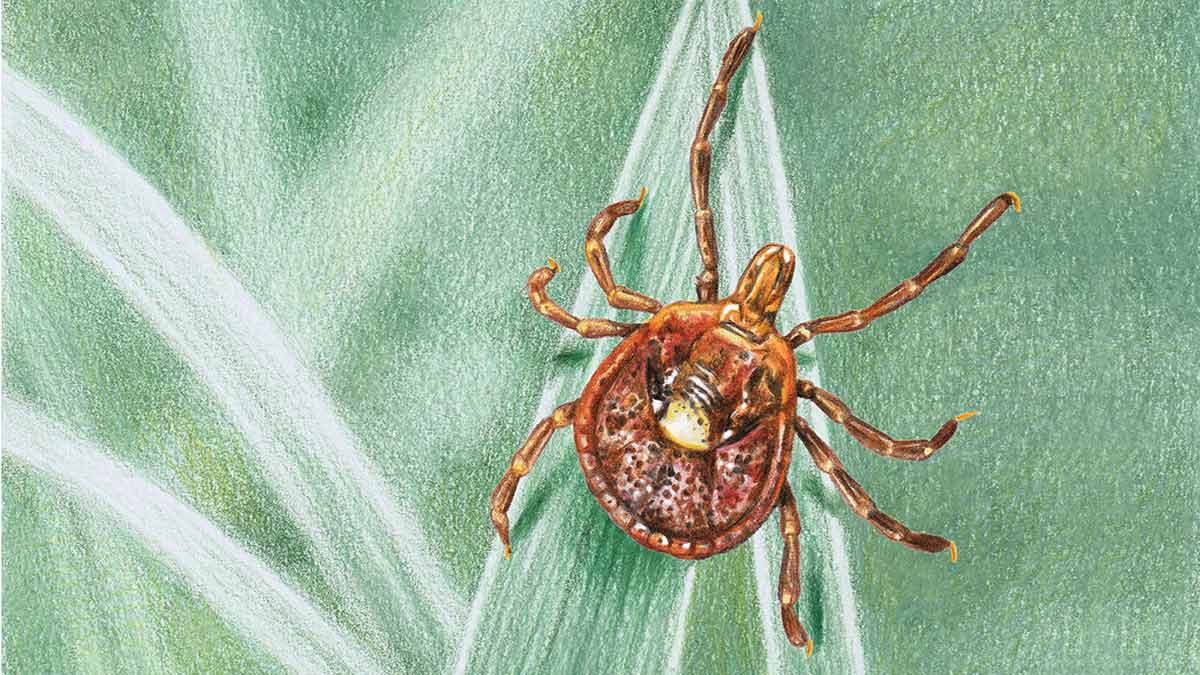
Why Tick Threats Are Rising—and How to Stay Safe via @ConsumerReports
Lone Star ticks that spread alpha gal syndrome are expanding their range alongside other ticks. Here's what to know.
Sill
Sill streamlines your Bluesky and Mastodon feeds to give you a clear picture of what's happening.

Sill
Sill streamlines your Bluesky and Mastodon feeds to give you a clear picture of what's happening.
Sill
Sill streamlines your Bluesky and Mastodon feeds to give you a clear picture of what's happening.
Sill
Sill streamlines your Bluesky and Mastodon feeds to give you a clear picture of what's happening.
Sill
Sill streamlines your Bluesky and Mastodon feeds to give you a clear picture of what's happening.
Lessons from Mastodon's False Start: Understanding AT Protocol and Bluesky's Dilemma - Nightflight