


Prompted by posts by Randy Reddig and Tony Stubblebine and a conversation with Elliott Kember, I wanted to address, yet again, the big fat stinking elephant in the room: OpenID usability and the pa…

A Landscape Survey of Private Digital Credentials
CJ Larkin and Renée DiResta examine digital ID endeavors to understand what drives adoption, what facilitates trust, and how privacy and security trade off.
The open authorial principle: supporting networks of authors in creating externalisable designs
As part of the Digital Library's transition to Open Access, new features for researchers are available in the Premium Edition. Click here to learn more.

Proposal: OAuth-based account creation · bluesky-social atproto · Discussion #4587
We recently added to the reference PDS (and underlying OAuth Provider) implementation support for Initiating User Registration via OpenID Connect 1.0, however, what I wasn't aware of when I add...
Open Social Web ID - Erlend’s notes
Approaching a shared method of single sign-on for the entire open social web.
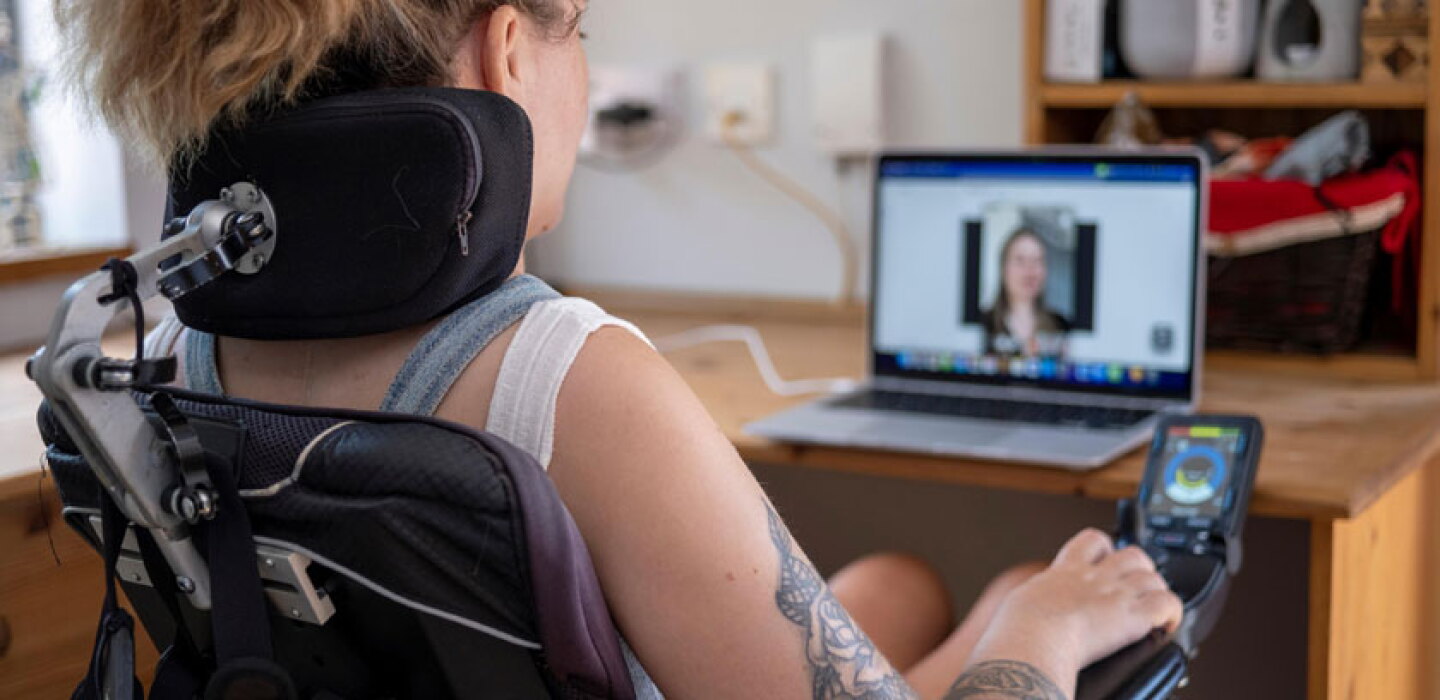
How Digital IDs Could Help and Harm People With Disabilities
While mobile IDs promise new access for people with disabilities, a "one ID, one device" model and accessibility failures threaten to exacerbate the digital divide, according to experts in the field.
In defense of the National ID and Digital ID
Having watched another round of the British NO2ID debate, which has opposed the introduction of a single national ID document since 2004, I cannot help but notice a rather drastic misconception of the
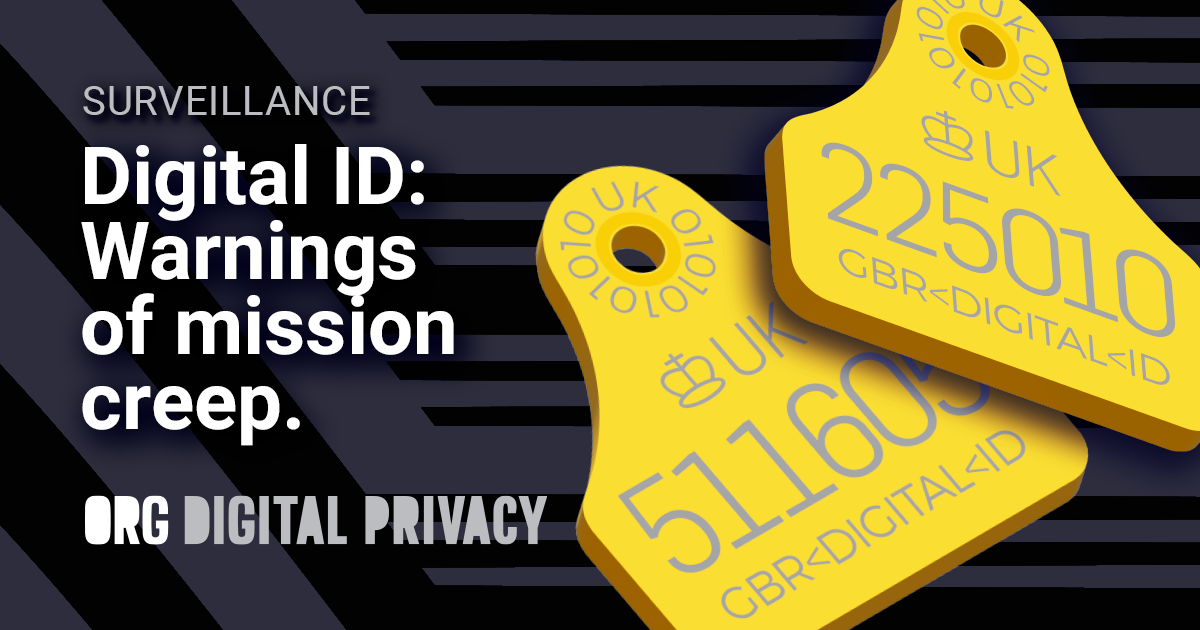
Digital ID: ORG warns of mission creep | Open Rights Group
On Monday December 8, MPs will debate the introduction of a national digital ID card.
Some Thoughts on the Open Web
The Open Web means several things to different people, depending on context, but recently discussions have focused on the Web's Openness in terms of access to information -- how easy it is to publish and obtain information without barriers there.

The Age Verification Privacy Paradox: Why Document Uploads Hurt Everyone—and How World Solves It
Age verification is now required by many digital platforms worldwide, but most systems create new risks for user data and privacy. This article explores why document-based age verification exposes everyone to greater risk—and how privacy-first technology like World ID offers a safer path for consumers and platforms.

User-tailorable systems: pressing the issues with buttons
As part of the Digital Library's transition to Open Access, new features for researchers are available in the Premium Edition. Click here to learn more.
Rethinking the human-readability infrastructure
As part of the Digital Library's transition to Open Access, new features for researchers are available in the Premium Edition. Click here to learn more.
What's verification on the open social web for? With @gui.do and @emily.space we put together a draft statement and roadmap for democratic account verification. For everyone, without IDs. The draft is here, please contribute and comment. Open until 31 May tangled.org/sherif.eurosky.social/atmosph…
Once you experience shared lexicons and the benefits of a single portable identity, it feels like a new open network. But the most important part is that it practically works as an extension of the web. We can add social features to our websites without even mentioning atproto. Frictionless adoption

P(aul) Frazee
The Atmosphere is a new open network. The features: - Your account works on all atmosphere apps - You can switch to a new provider with no fuss - Easy to make your own apps on it - Works great with personal websites And, Bluesky is an atmosphere app.
So many people do not get this. Atproto identity is the closest thing to original-flavor OpenID that has been done in years. It's not OpenID (it has problems OpenID didn't and solves problems OpenID had), but it's very much in that spirit.

hailey
i guess in a way this is the most widely used one, but also one that is severely underused in other ways. definitely identity. i've long been of the opinion that there are obviously cool things that come from public data and all the public pieces of the proto, but identity is higher impact.


