


Prompted by posts by Randy Reddig and Tony Stubblebine and a conversation with Elliott Kember, I wanted to address, yet again, the big fat stinking elephant in the room: OpenID usability and the pa…

Using OpenID Connect with Decentralized Identifiers
The DID Auth WG chaired by myself had its kickoff meeting on April 25th. As DID Auth has different interpretations, the group defined that…
A Landscape Survey of Private Digital Credentials
CJ Larkin and Renée DiResta examine digital ID endeavors to understand what drives adoption, what facilitates trust, and how privacy and security trade off.
Lessons from National Digital ID Systems for Privacy, Security, and Trust in the AI Age
CJ Larkin and Renée DiResta surface lessons from existing national ID schemes relevant to the evolution of digital identity in the age of AI.

Open offices are as bad as they seem—they reduce face-to-face time by 70%
To encourage unbounded, collective intelligence, offices may need physical boundaries.

Playing the Open Source Game
You've surely read plenty about how simple is good, but what's wrong with easy?
When No ID Means No Internet: Age Verification and the Right to
Age verification proposals are often presented as a simple tradeoff: sacrifice a little privacy to better safeguard children online. But that framing overlooks a more fundamental question. What
The open authorial principle: supporting networks of authors in creating externalisable designs
As part of the Digital Library's transition to Open Access, new features for researchers are available in the Premium Edition. Click here to learn more.

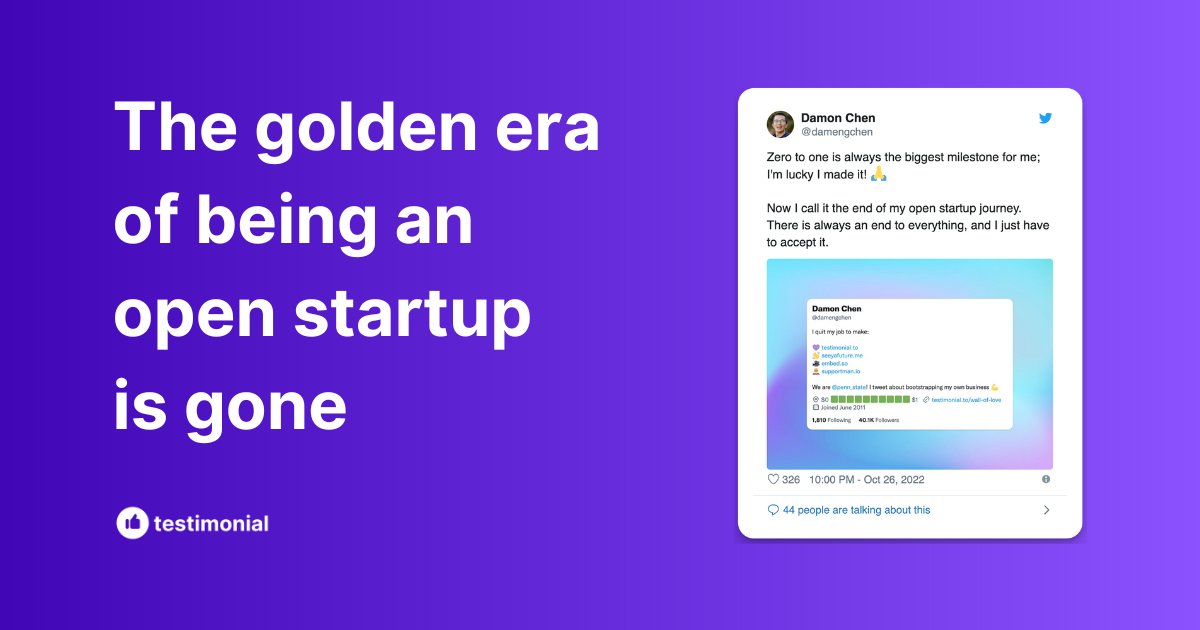
The golden era of being an open startup is gone
To me, the golden era of being an open startup is gone. Some founders and early adopters are shutting down their open pages and changing their transparency practices. I don’t think they are doing it just because things change and we need to cope.
Proposal: OAuth-based account creation · bluesky-social atproto · Discussion #4587
We recently added to the reference PDS (and underlying OAuth Provider) implementation support for Initiating User Registration via OpenID Connect 1.0, however, what I wasn't aware of when I add...
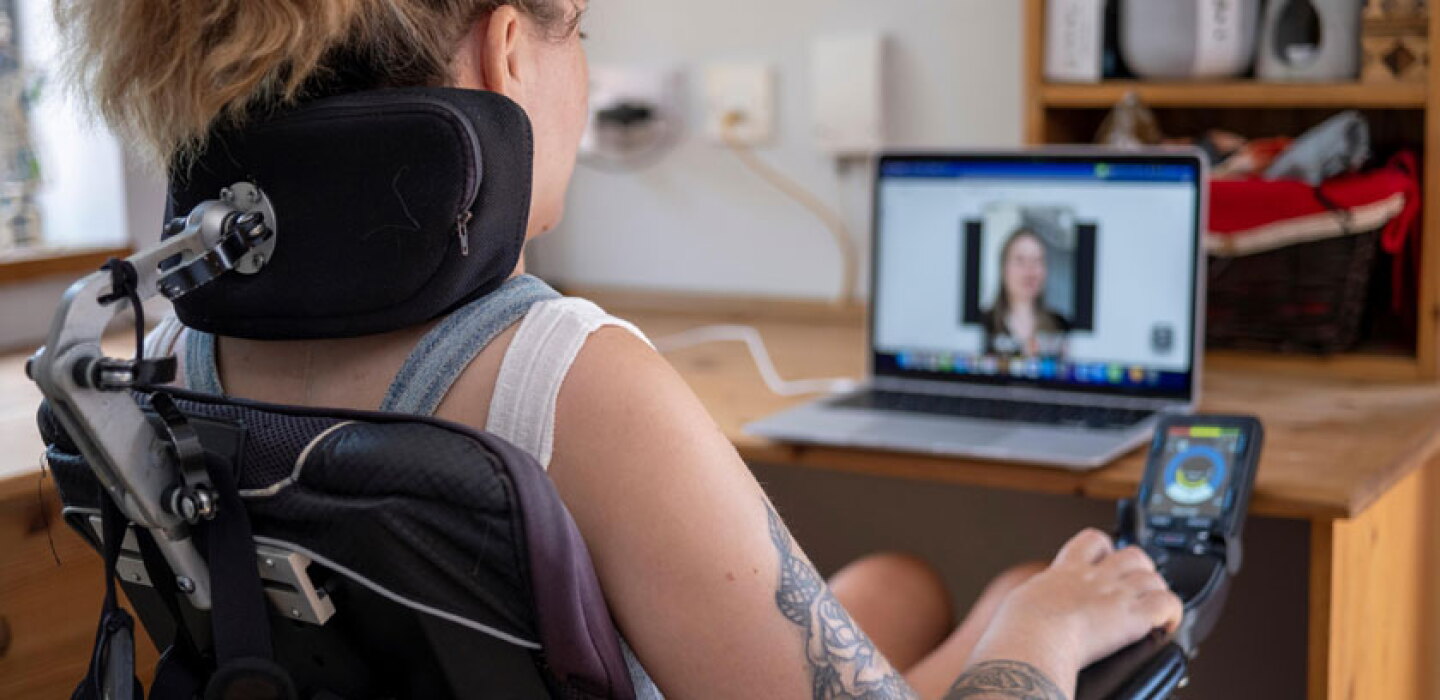
How Digital IDs Could Help and Harm People With Disabilities
While mobile IDs promise new access for people with disabilities, a "one ID, one device" model and accessibility failures threaten to exacerbate the digital divide, according to experts in the field.
Once you experience shared lexicons and the benefits of a single portable identity, it feels like a new open network. But the most important part is that it practically works as an extension of the web. We can add social features to our websites without even mentioning atproto. Frictionless adoption

P(aul) Frazee
The Atmosphere is a new open network. The features: - Your account works on all atmosphere apps - You can switch to a new provider with no fuss - Easy to make your own apps on it - Works great with personal websites And, Bluesky is an atmosphere app.
What's verification on the open social web for? With @gui.do and @emily.space we put together a draft statement and roadmap for democratic account verification. For everyone, without IDs. The draft is here, please contribute and comment. Open until 31 May tangled.org/sherif.eurosky.social/atmosph…
So many people do not get this. Atproto identity is the closest thing to original-flavor OpenID that has been done in years. It's not OpenID (it has problems OpenID didn't and solves problems OpenID had), but it's very much in that spirit.

hailey
i guess in a way this is the most widely used one, but also one that is severely underused in other ways. definitely identity. i've long been of the opinion that there are obviously cool things that come from public data and all the public pieces of the proto, but identity is higher impact.


