


How we learned that the New York Times has a Fansplaining account.
NYT: Boycott, Divest, Unsubscribe — WRITERS AGAINST THE WAR ON GAZA
The New York Times is not unique among media outlets in manufacturing consent for war, for exploitation, for genocide. It is, rather, exemplary. The Times’ reputation for liberalism, for rigor, for non-partisan independence is precisely what makes it so dangerous, because it hides what it really is: a publication that exists to serve the interests of U.S. imperialism.
The New York Times Responds to Criticism of Anti-Trans Bias by Silencing Its Own Reporters
The Times’s coverage reflects its commitment to a flawed version of objectivity that equates balance with accuracy.
Media Ownership Monitor
Mass media influences how facts are viewed and debated in a society, contributing to crafting its public opinion. Independence and pluralism...


How the NYT Missed the Story of the Holocaust While It Was Happening
What did The New York Times report about the Holocaust and how did its coverage affect America’s response to the Nazi genocide?Throughout World War II, the American media published and broadcast timely, detailed, and accurate accounts of what was happening to the Jews in Europe. The New York Times alone printed nearly 1,200 articles about what we have now come to call the Holocaust, about one every other day. The articles in the Times and elsewh

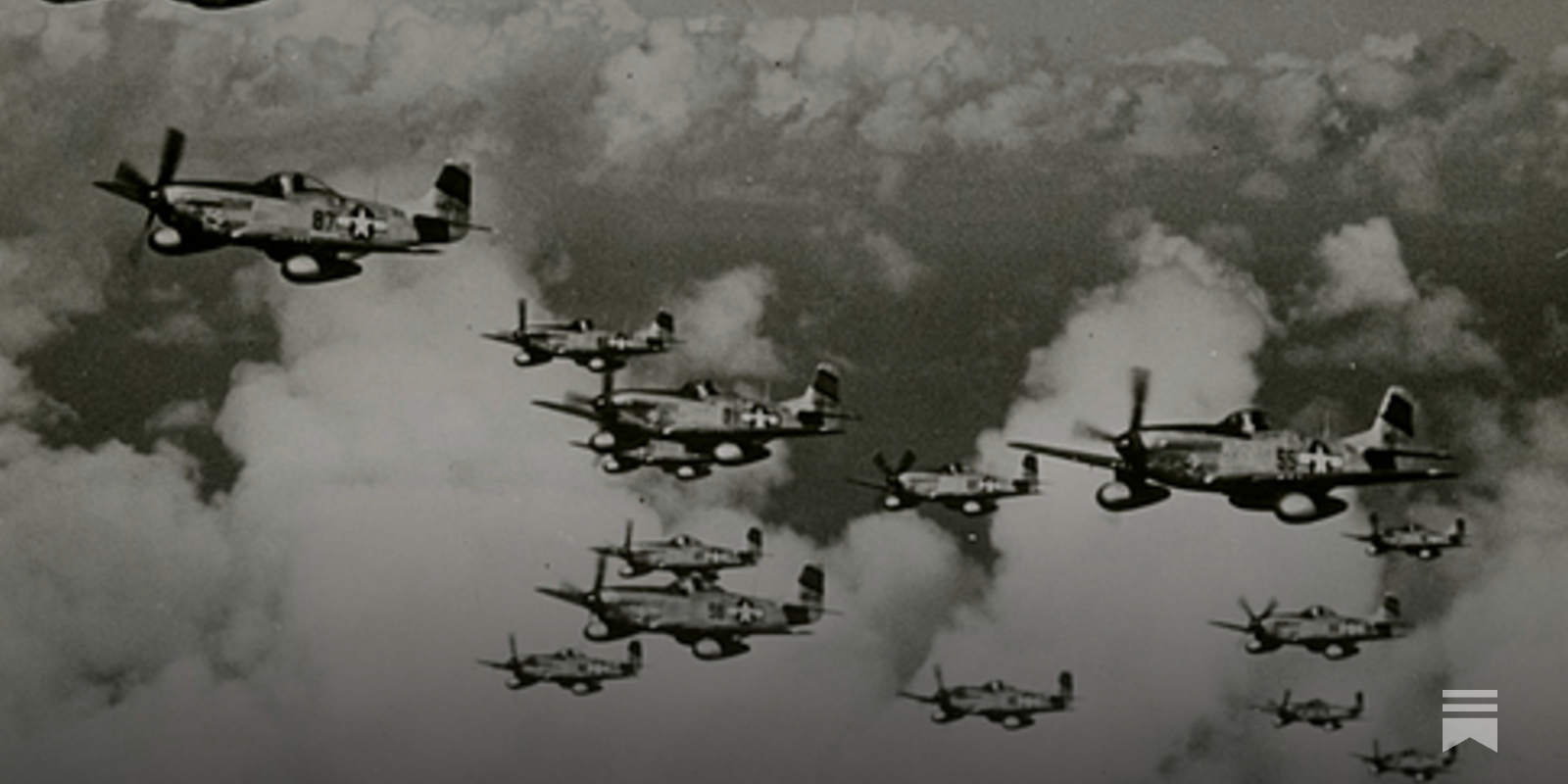
The Myth of Allied Technological Inferiority
World War II, The Free Press, and the Problematic Use of History in Contemporary Media
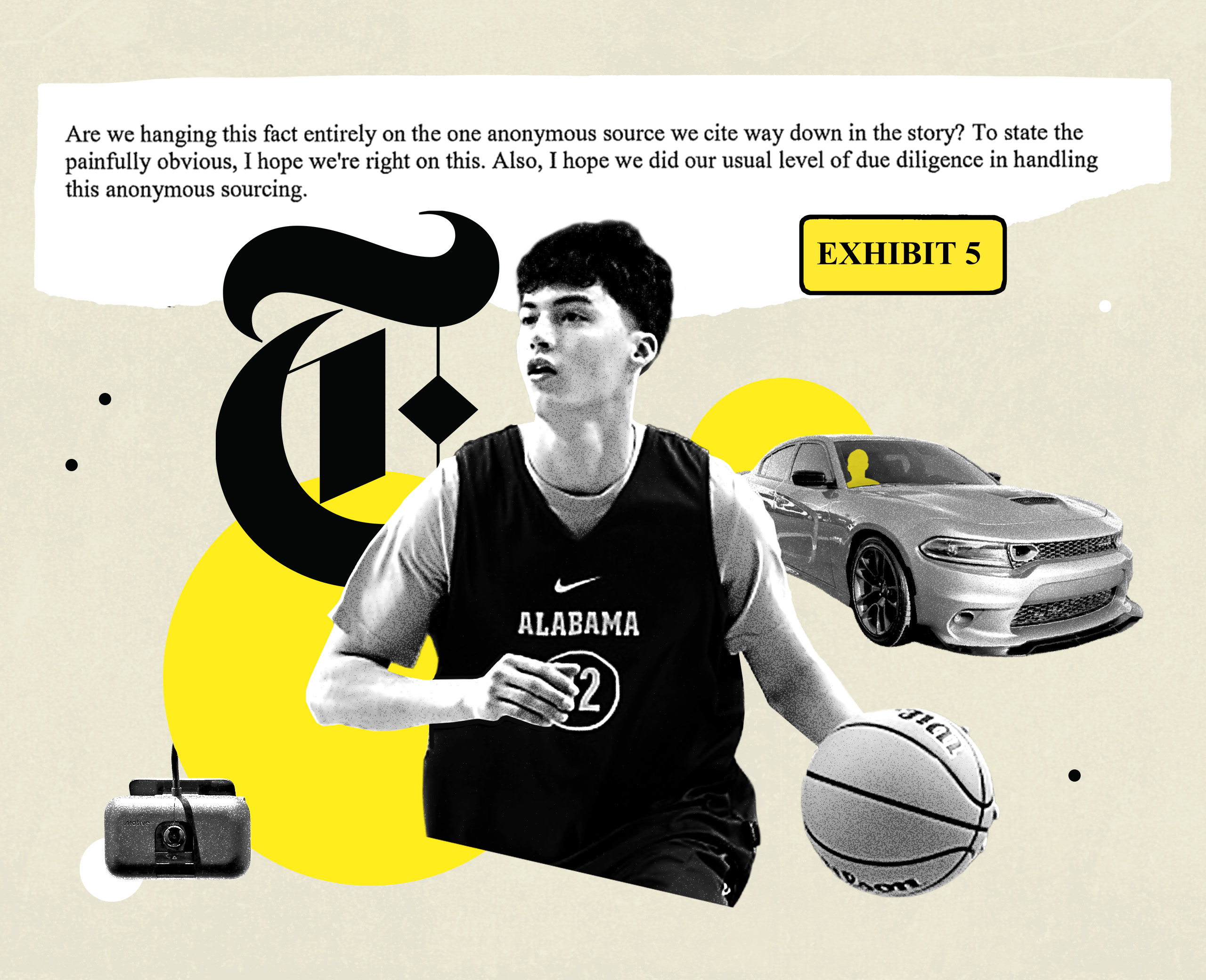
How the New York Times lost a defamation trial.
An anonymous source, a “hillbilly ambulance chaser” text message, and the newsroom’s first defamation defeat in this country in more than fifty years.
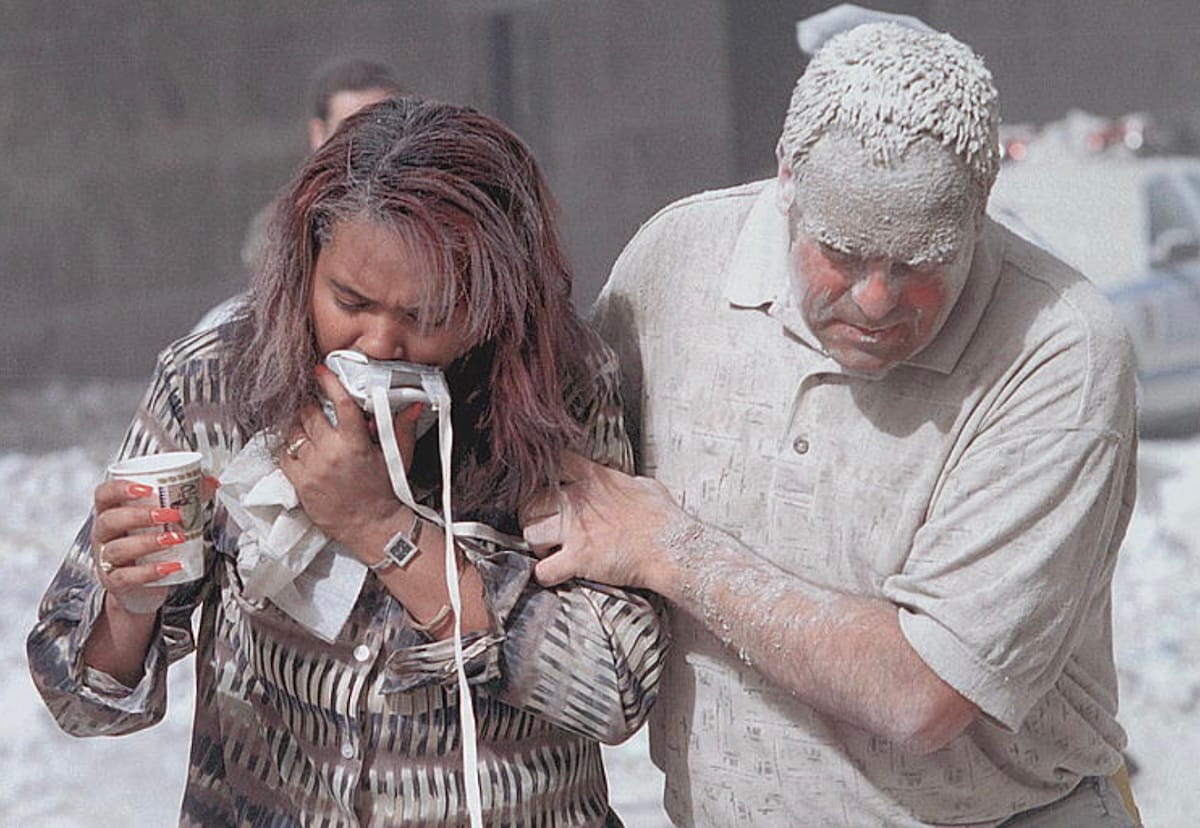
Confronting New York City's Lies About Toxic Air After 9/11
Plus, a selection of some of the best writing on 9/11, and more news to take you into the weekend.
Boycott The New York Times
For years The New York Times has relentlessly pushed anti-trans propaganda, playing a significant role in the escalating genocide against us. It's far past time for a call to action: anyone who cares about trans lives must boycott and divest the Times.

The LA Times Owner's Trump Turn Is Even Worse Than You Think | Parker Molloy's The Present Age
The Los Angeles Times is giving us a masterclass in how wealthy ownership can dismantle editorial independence from within. According to Oli

Why Don’t We Learn from Social Media? Studying Effects of and Mechanisms behind Social Media News Use on General Surveillance Political Knowledge
Does exposure to news affect what people know about politics? This old question attracted new scholarly interest as the political information environment is changing rapidly. In particular, since c...

32 Years of New York Times Website Design History - 23 Images - Version Museum
A comprehensive visual history of New York Times from 1994 to 2026. See a gallery of the New York Times evolution from the beginning to present day.

Opinion | The hard truth: Americans don’t trust the news media
A note from our owner.

Why ‘Flooding the Zone’ Works for Trump - Dame Magazine
Trump’s allies openly described a strategy to overwhelm the press with simultaneous crises. The structure of modern journalism makes it work

Beating the drums for independent press, publishers, and writers
Whose news? Whose story? Who gets to tell it?

US media: The Washington Post

For context, I’m a former NYT and WaPo subscriber who wishes the former would do better and has given up on the latter Search terms: Jeff Bezos

One Year Into Clampdown, WaPo Opinion Cheers for MAGA, Billionaires and AI

Washington Post to cut one-third of all staff
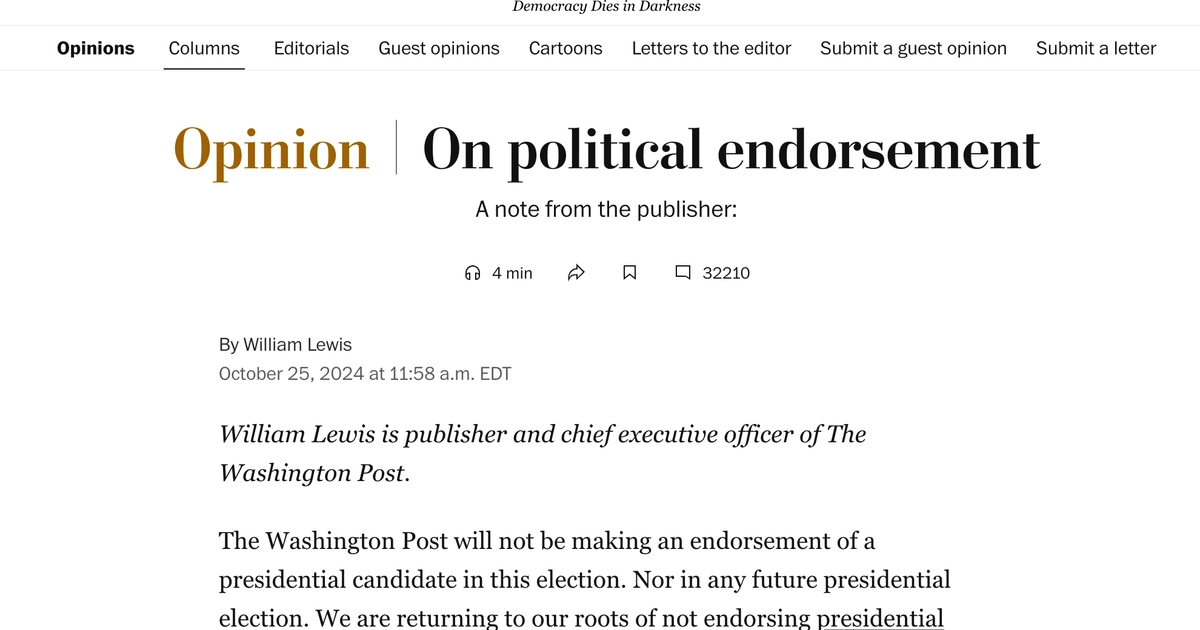
The Washington Post sold Democracy. Now it needs a new line of business.

More than 250,000 subscribers have left 'Washington Post' over withheld endorsement

Washington Post Has Lost 250K Subscribers, LA Times 18,000 Since Owners Axed Kamala Harris Endorsements
The Washington Post has broken my heart | Will Bunch Newsletter