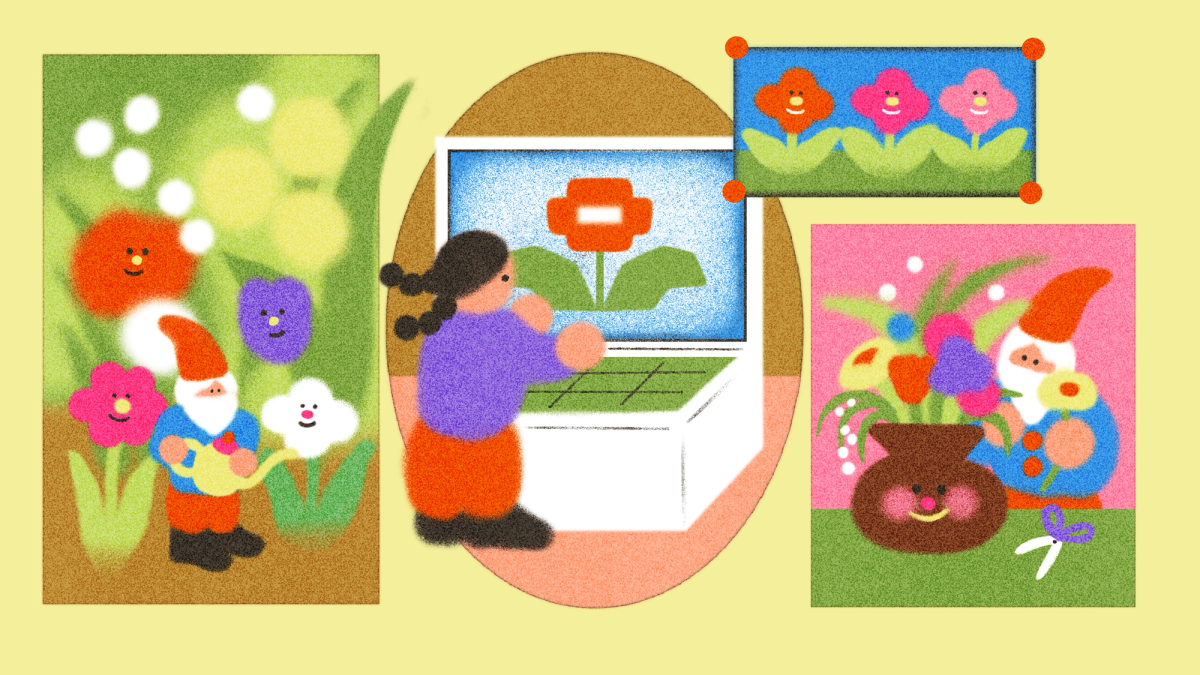
I’ve been putting stuff online since way before anyone was called a content creator. So, if we aren’t just making content, what are we doing?
If You *Must*, Here is How to Be a Content Creator Without Crashing Out or Losing Yourself
This posting stuff is supposed to be fun.
This is 2021: what's coming in free/libre software
A look across the full spectrum of digital content creation software

Maker Party 2016: Stand Up for a Better Internet | The Mozilla Blog
Mozilla’s annual celebration of making online is challenging outdated copyright law in the EU. Here’s how you can participate. It’s that time of year
The Fediverse and Content Creation: Monetization
Sure, we have open source, federated replacements for Instagram, Tiktok, and YouTube. How do we get creators to use this stuff? One consideration involves the ability to pay for things.

What happens when content creators and journalists come together?
Find out how journalists and content creators can work together, and why this collaboration is needed to improve information integrity.
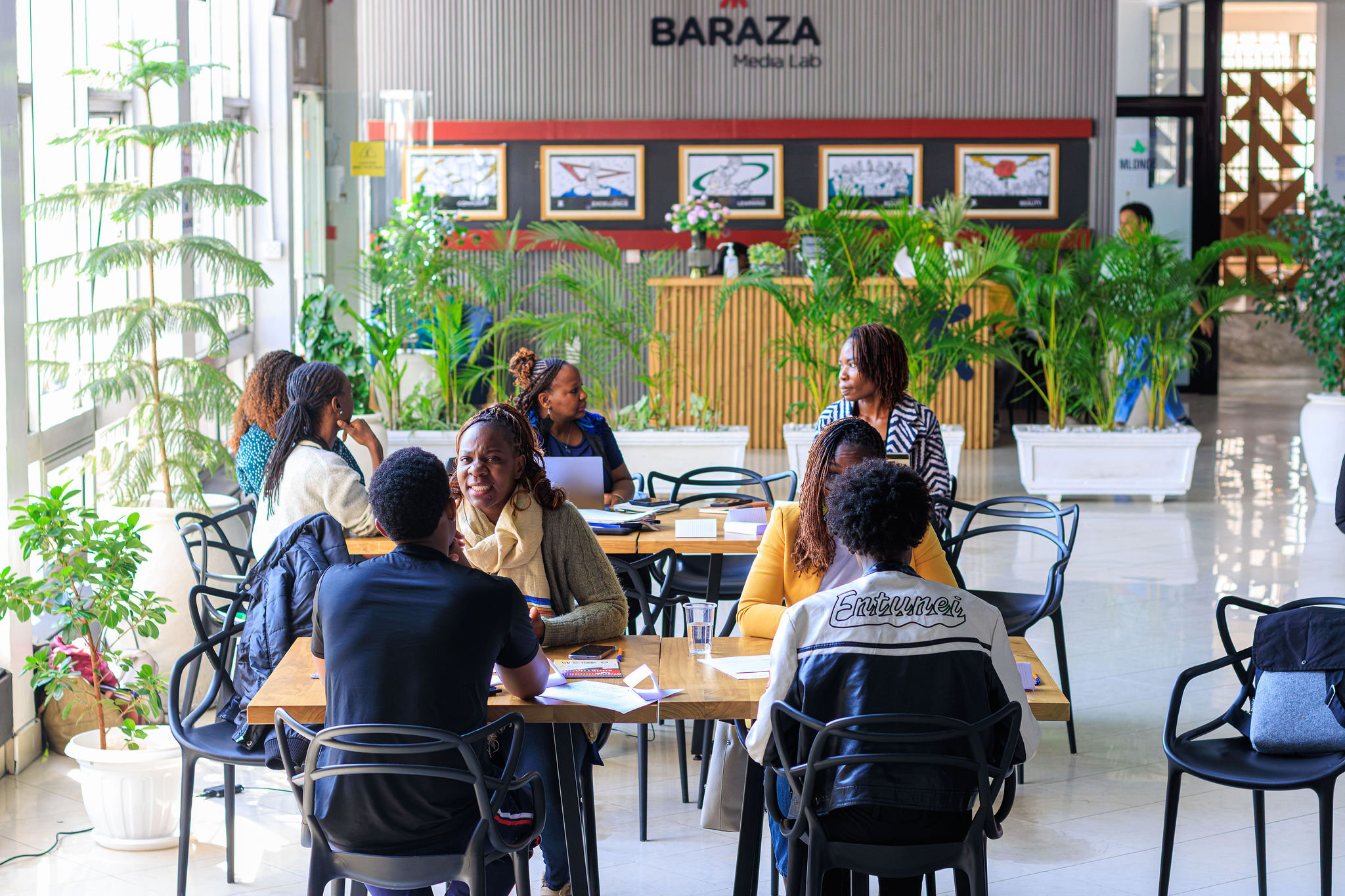
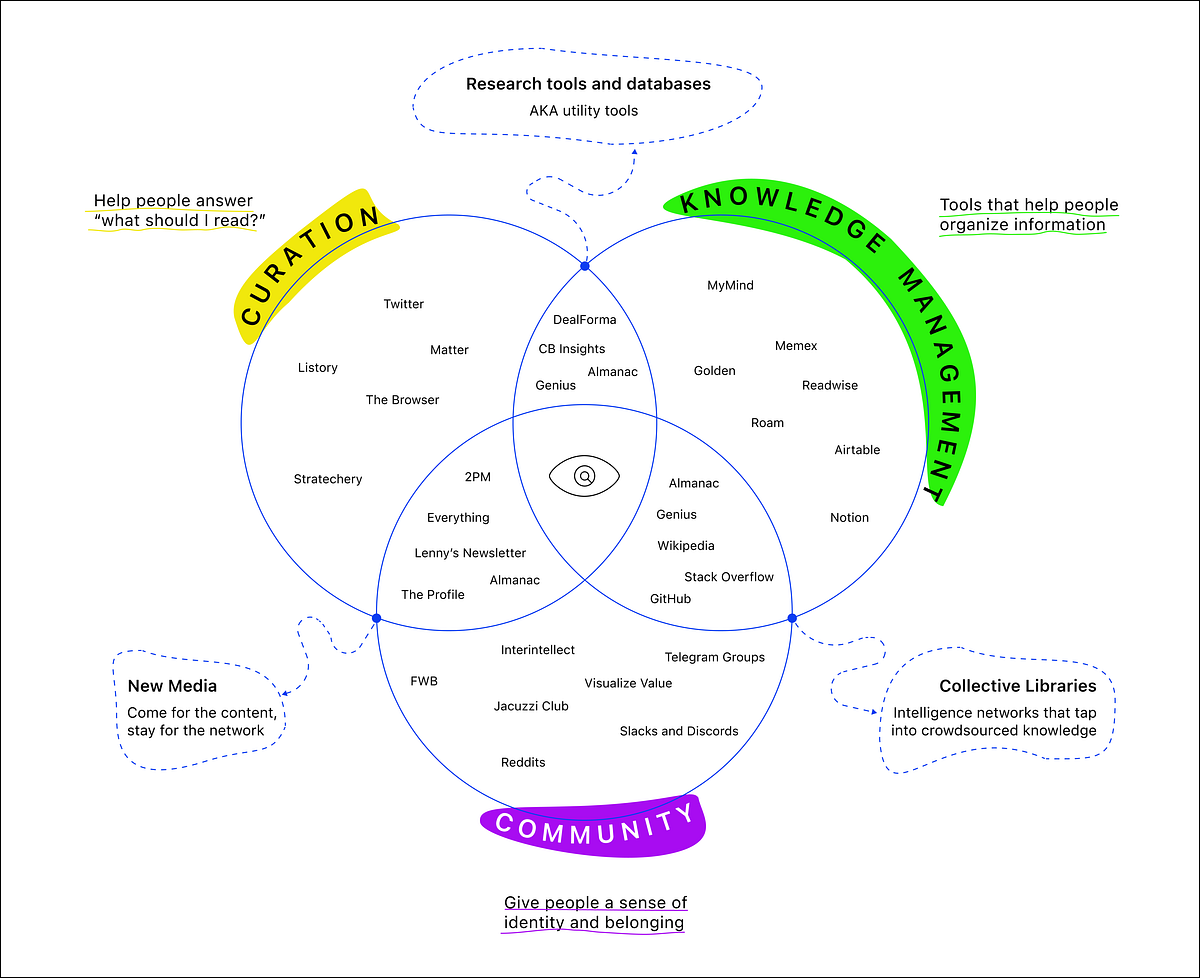
The rise of community-curated knowledge networks
The Internet put thousands of years of human thought at our fingertips, and enabled billions of people to create content. At least 2.5…
Permissioned Data Shapes: Community-Moderated Content - Nick's Blog
A community can own spaces the way a person does: a club's members post to each other under a dedicated community DID, with a feed space for content, a moderation space for notes, a labels space for filtering, and a single app view as the only window into any of it.
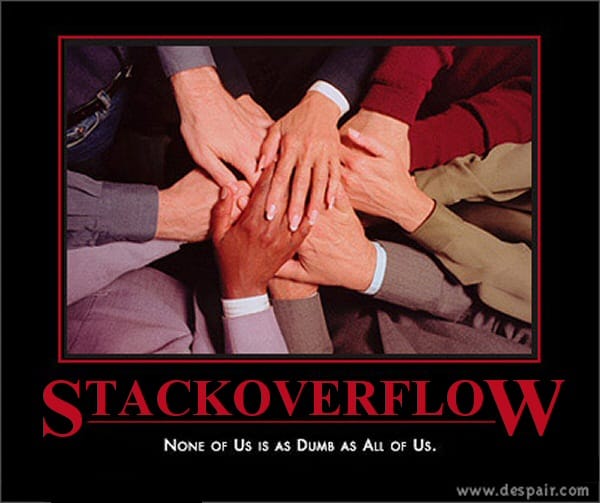
What does Stack Overflow want to be when it grows up?
I sometimes get asked by regular people in the actual real world what it is that I do for a living, and here’s my 15 second answer: We built a sort of Wikipedia website for computer programmers to post questions and answers. It’s called Stack Overflow. As of
Middleware for Feed Recommendation in Practice: How Feed Creators Build, Maintain, and Sustain Custom Feeds on Bluesky
Scholars have long proposed third-party middleware as an alternative to centralized algorithmic feeds: feeds built and distributed by independent feed creators. This vision saw no large-scale instantiation until Bluesky, a decentralized microblogging platform, introduced custom feeds in 2023. Although central to the middleware ecosystem, we know little about how feed creators understand their role, build feeds, and sustain them. Through interviews with n = 26 feed creators and third-party developers of feed-building tools, and analysis of n = 88,302 custom feeds, we identify two creator orientations---utility-providing and community-building. Additionally, creators struggle to maintain feeds that fully realize middleware ideals: they lack granular interaction data, receive little feedback, and lack technical expertise to act on either. Finally, creators sustain their feeds as unpaid hobbyists with little platform support and are divided on whether to monetize beyond covering costs. We conclude with design and policy implications for strengthening the middleware feed ecosystem.

Publishing apps | at-store
Writing, newsletters, blogging, and reader-growth tools built to help creators publish on the open web and keep direct relationships with their audience.
Social Media Is Now Parasocial Media
When practitioners used the term “social media” to describe the internet tools that emerged in the mid-aughts, they were giving a name to the kinds of platforms and protocols that allowed people to socialize with friends and communities of interest by using digital technologies. Twenty years later, users of social media are far more likely to scroll than post – and the content that they consume is often strategically produced and algorithmically curated. In this essay, I argue that the very essence of social media has changed. To more effectively interrogate what we are witnessing, we need to stop presuming that these tools are “social media” and begin recognizing that they are now “parasocial media.” Doing so raises new questions about digitally mediated sociality, not to mention the politics and governance of these platforms.

Building Epistemically Healthier Platforms
When thinking about designing social media platforms, we often focus on factors such as usability, functionality, aesthetics, ethics, and so forth. Epistemic considerations have rarely been given the same level of attention in design discussions. This paper aims to rectify this neglect. We begin by arguing that there are epistemic norms that govern environments, including social media environments. Next, we provide a framework for applying these norms to the question of platform design. We then apply this framework to the real-world case of long-form informational content platforms. We argue that many current long-form informational content platforms are epistemically unhealthy. The good news? We provide concrete advice on how to take steps toward improving their health! Specifically, we argue that they should change how they verify and authenticate content creators and how this information is displayed to content consumers. We conclude by connecting this guidance to broader issues about the epistemic health of platforms.
Sparkable
Social media as it should be. Find your community among millions of users, unleash your creativity, and have some fun again.

Make It Work vs. Make It Good
Writing about the big beautiful mess that is making things for the world wide web.
Making Space for a Handmade Web | Figma Blog
There’s a resurgence of small, handcrafted sites challenging the current trajectory of the internet. Joining the movement is as simple as making your own.