

Phone, web forms, meetings ... there are lots of options!
What happened to the fight for the Internet? -- Dustycloud Brainstorms
At the moment I am writing this, bad internet bills are being proposed across the US, Canada, Europe, and the UK. They're using the usual tactics: they claim they're fighting for kids or fighting security risks, but in general, that's what surveillance and censorship bills have always claimed.
Lawful-access bill could threaten encryption, deter investment, Chamber of Commerce warns
Bill would require telecoms, internet companies to change systems to give surveillance, monitoring capabilities to authorities

KOSA, the KIDS Act, AI, Bad Internet Bills, and a potential giveaway to big tech (UPDATED)
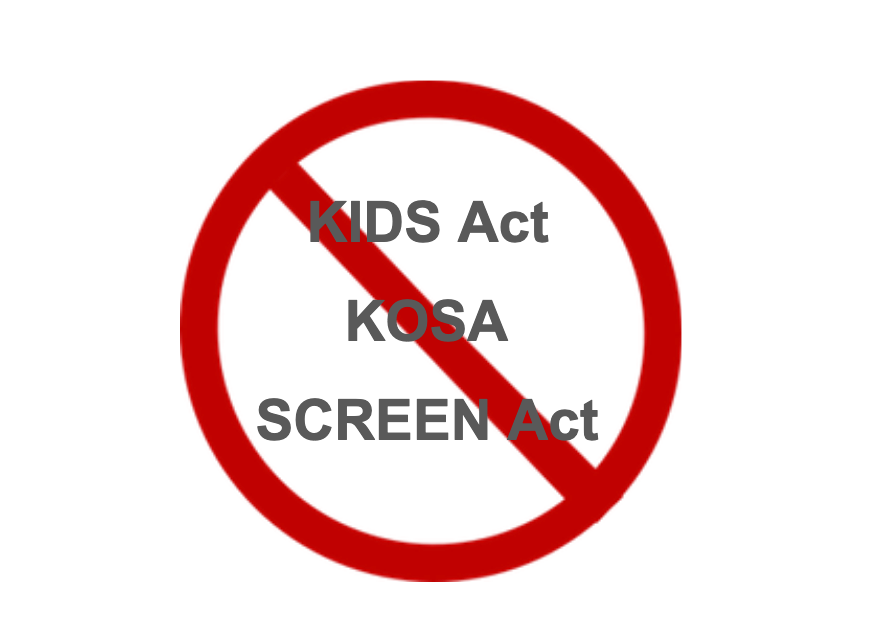
Just say no to bills that age restrict, censor, and surveil the internet!
Stop Bill C-22!
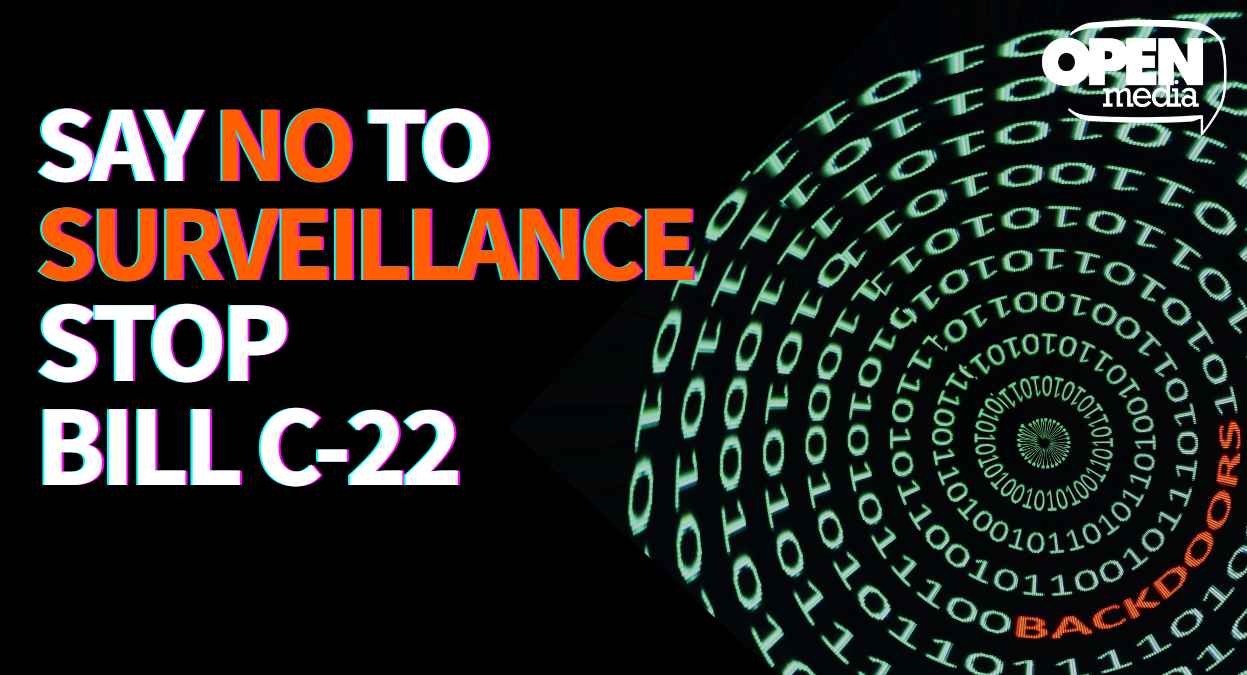
🚨 Bill C-22 forces every Canadian internet provider, messaging app & cloud service to build surveillance backdoors and store a year of your data. Foreign state hackers exploited similar legislation in the US. Shut the backdoor: https://openmedia.org/StopC22 #BillC22
Bill C-22’s Groundhog Day: Why the Government’s Dismissal of Signal, Apple and the U.S. Congress Concerns Runs Back the Disastrous Online News Act Playbook - Michael Geist
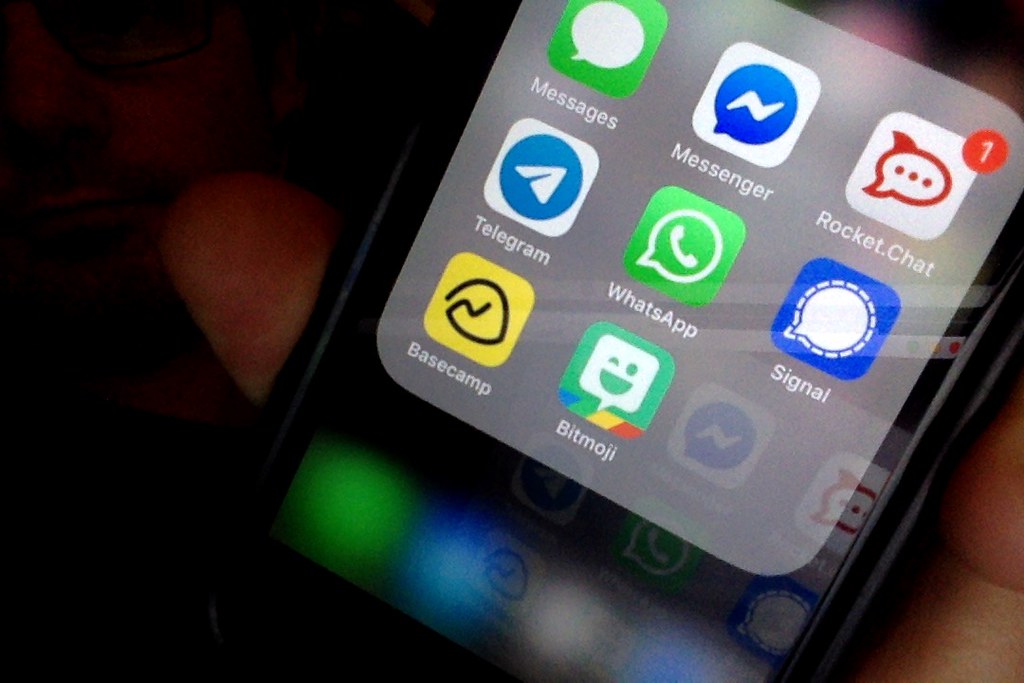
Secure messaging service Signal yesterday became the latest company to warn that Bill C-22, the lawful access bill, could force it to leave the Canadian market rather than comply with provisions it says would compromise its end-to-end encryption and create new cybersecurity risks. Signal vice-president Udbhav Tiwari told the Globe and Mail that the company “would rather pull out of the country than be compelled to compromise on the privacy promises we have made to our users.” The comments are part of a steady stream of similar warnings from Apple, Meta, the Canadian Chamber of Commerce, the Cybersecurity Advisors Network, and the chairs of the U.S. House Judiciary and Foreign Affairs Committees. Despite growing concern, the government’s response has been to launch a misleading social media campaign and repeatedly insist that the experts and companies are mistaken.
How (Not) to Write a Privacy Law
After many years of failed starts, proposed information privacy legislation has begun moving forward in both houses of Congress. The docket in the recently ended 116th Congress was crowded, with a number of different proposals jostling for attention and no agreement on which deserved to be the front runner. Even so, as the 117th Congress begins, there is growing inside-the-Beltway consensus on the list of features that a successful bill will need to include. This paper critically assesses those zones of emerging consensus.
Online Safety Bills Are Fueling a New Wave of Internet Censorship
State and federal bills seek to limit minors’ access to social media, but civil liberties advocates warn that the resulting online censorship threatens constitutional rights without delivering real safety.
Site Blocking and Age Verification for Twitter, Instagram, Snap and Twitch?: Age Verification Lobby Confirms it Wants Bill S-210 to Cover All Social Media Sites - Michael Geist
Bill S-210 - the Protecting Young Persons from Exposure to Pornography Act - burst onto the public scene late last year as a majority of the House voted for the bill at second reading, sending it to the Public Safety committee for review. The bill, which is the brainchild of Senator Julie Miville-Dechêne, was supported by the Conservatives, Bloc and NDP with a smattering of votes from backbench Liberal MPs (the cabinet voted against, signalling it is not supported by the government). The bill raises significant concerns with the prospect of government-backed censorship, mandated age verification to use search engines or social media, and a framework for court-ordered website blocking (I appeared before the Senate committee that studied by the bill in February 2022, arguing that “by bringing together website blocking, face recognition technologies, and stunning overbreadth that would capture numerous mainstream services, the bill isn’t just a slippery slope, it is an avalanche.”). In response to the public criticism of the bill, Senator Julie Miville-Dechêne has suggested that concerns about it extending to general purpose social media sites is overstated since the intent is to target adult content sites. Yet that is not what the bill provides as it applies to anyone who makes sexually explicit material available on the Internet for commercial purposes:
The Lawful Access Two-Headed Surveillance Monster: How Bill C-22 Went Off the Rails - Michael Geist
The government’s plans for lawful access have gone off the rails. In recent days, Signal has warned it would pull out of the Canadian market rather than comply with Bill C-22. Windscribe, the Toronto-headquartered VPN provider, has said it would relocate its headquarters out of Canada and NordVPN has warned it would consider following suit. Apple and Meta have both raised public concerns about the bill’s effect on encryption and cybersecurity. The Canadian Chamber of Commerce, the Cybersecurity Advisors Network, civil liberties groups, and a long line of legal and security experts have all called for changes. The chairs of the U.S. House Judiciary and Foreign Affairs Committees have written to Public Safety Minister Gary Anandasangaree warning that the bill threatens U.S. national security and the integrity of cross-border data flows. Even the bill’s own oversight body, the National Security and Intelligence Review Agency, has told the SECU committee it does not have the access it needs for effective oversight. If the government thought it could push through the bill largely unnoticed, it has been proven painfully wrong as there are now trade frictions with the U.S., the prospect of leading companies exiting the Canadian market, and weaker cybersecurity protections for ordinary users. How did Canada’s lawful access plan go awry so quickly?
State lawmakers advance bill requiring age verification on all online devices and websites - Evanston RoundTable
The Illinois House of Representatives passed a bill Thursday that would require all internet-connected devices and platforms in the state to ask for and

Congress Has Another Site-Blocking Bill, And This One Targets VPNs
Congress is taking another run at site-blocking, a deeply flawed concept that would undermine basic internet infrastructure. Rep. Darrell Issa (R-CA) has introduced the American Copyright Protection
Keep the Internet Open
The FCC has announced plans to roll back policies on net neutrality, and its new head has indicated he has no plan to stop soon. The internet is a public good, and I believe access should be a...
Randy Fine on Twitter / X
Taking advantage of the downtime in between Electoral College meetings to work on advancing my bill to make sure no political flags are flown in government buildings! #IYKYK pic.twitter.com/ccXcRpWOmm— Randy Fine (@VoteRandyFine) December 17, 2024

Messaging service Signal says minister’s changes to lawful access bill will not persuade it to stay in Canada
Signal and provider of web-browser Firefox say bill still poses threat to their users’ privacy

Fighting Bad Internet Bills (US-centric for now)

News, analysis, discussion, and actions about KOSA, the KIDS Act, age verification bills, and other bills that would surveil and censor the internet.
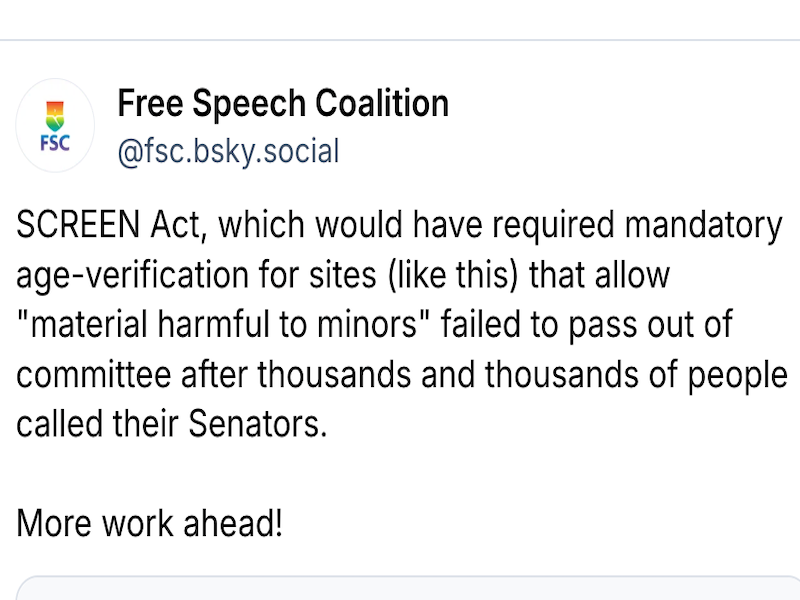
Activism makes a difference: the SCREEN Act unexpectedly fails in committee! But KOSA advances, so keep up the pressure
Congress Wants To Hand Your Parenting to Big Tech
Should Have Known Is the Wrong Standard for Kids’ Safety Laws
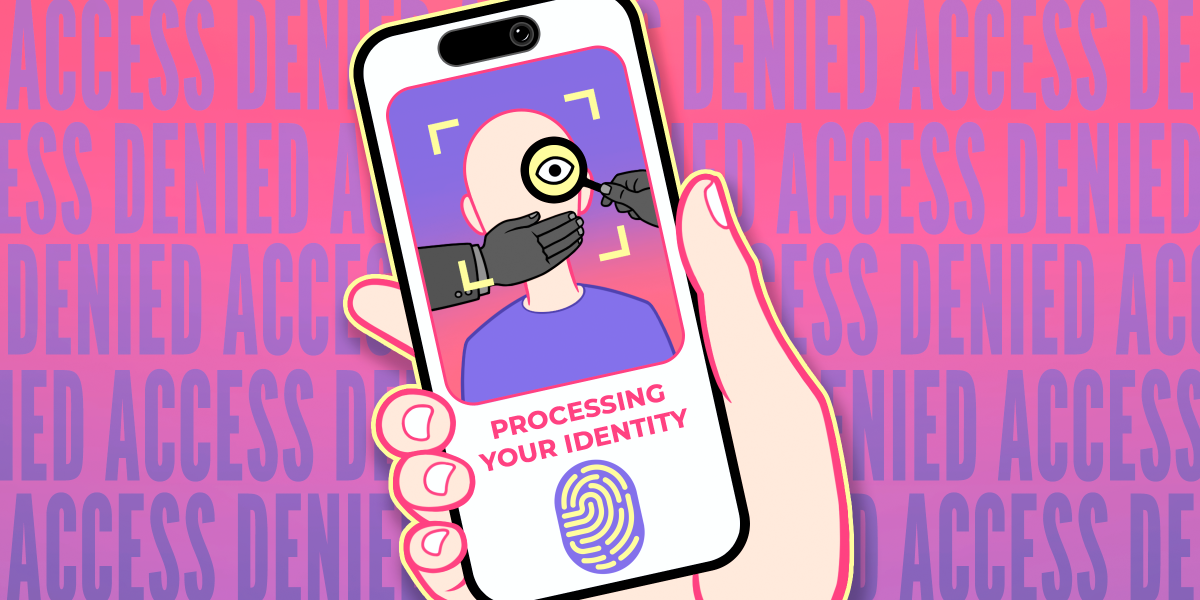
The SCREEN Act is a Christian Nationalist Nightmare
The Senate Should Reject KOSA's Privacy Risks
"The S is for surveillance": fighting KOSA and bad internet bills in the ATmosphere and the fediverses