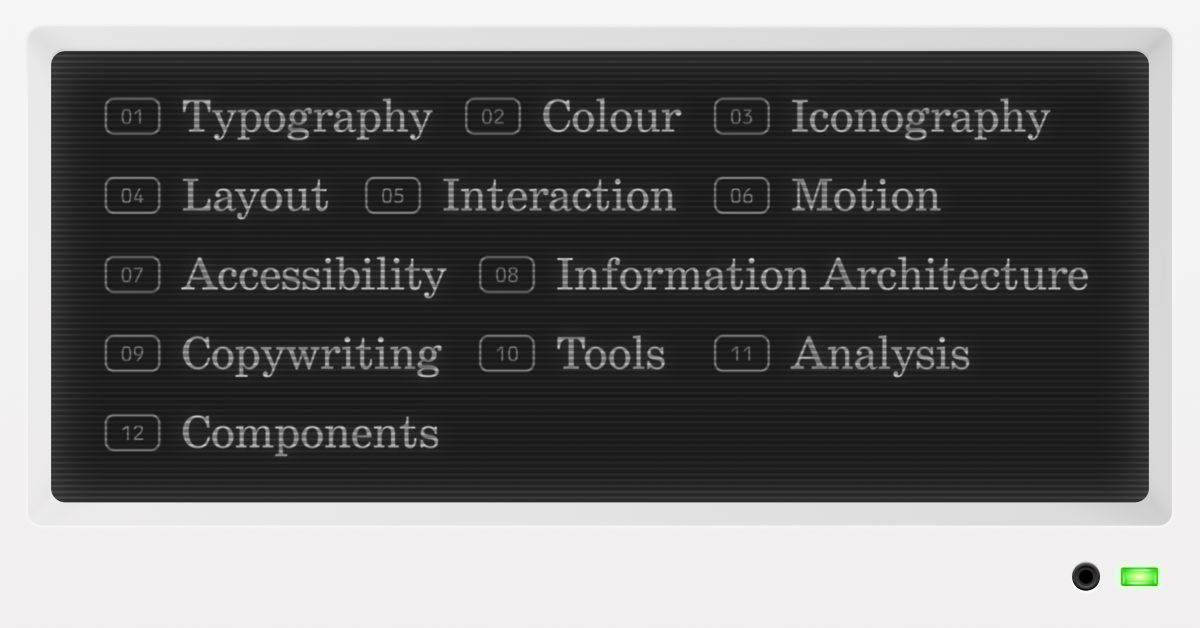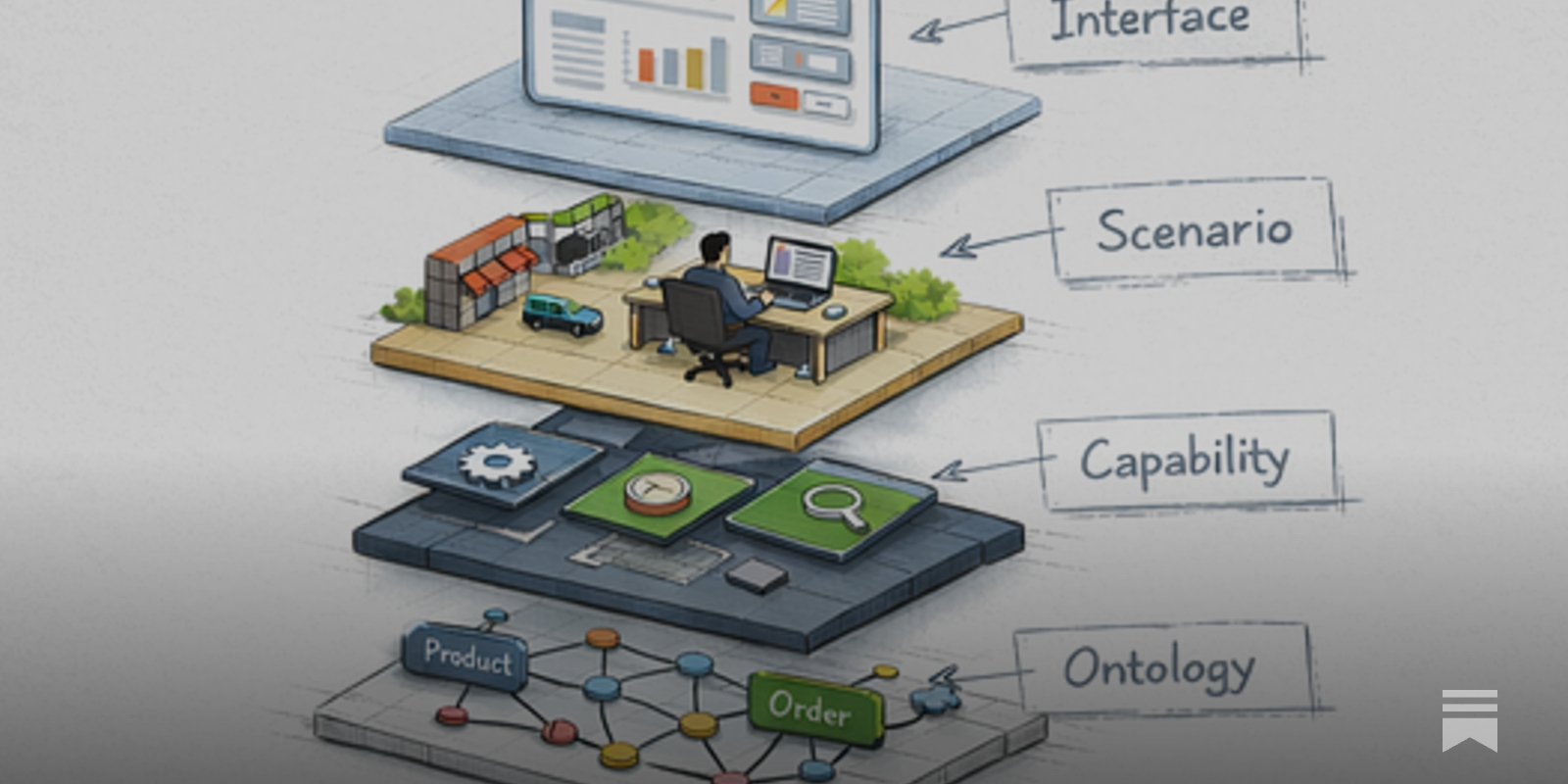
Why words are the most important design tool in the AI era
Evolving Design Language in the AI Era: From Good to Great
Explore how the AI era reshapes design language, emphasizing objective critique over subjective opinions for successful outcomes.

The tool, the craft, and the joy
On AI, craft, and building things that matter (1300 words)

Popmelt — Design copilots for AI agents
Our Taste models encode design expertise and philosophy, giving AI agents instant access to a curated catalog of aesthetic knowledge. Unlike traditional templates and design systems, our imprints are AI-native and guided by universal principles. This means agents can apply them to any interface scenario, not just predefined layouts and elements. They're also customizable and extensible, letting you build quickly without falling into the cookie-cutter UI library trap.
The missing design vocabulary for agents.
Turn AI slop into interfaces you’re proud to ship. Impeccable gives your agent the design expertise to build from scratch, improve what you have, and stay true to your design system.

Care at the Edge of Automation – Topos Institute
Technologies don’t just solve problems, they change us. We invent technologies, and they invent us in turn, shaping our lives and worlds. This is the phenomenon that Terry Winograd and Fernando Flores, in Understanding Computers and Cognition (1986), called “ontological design.” It matters now more than ever—along with a second lesson they saw clearly. Technological research is always guided (and sometimes misguided) by deep ontological assumptions about, e.g., the nature of cognition, agency, and communication. If we are to create technologies that truly serve human flourishing and care, we must bring these hidden assumptions into the open and question them at their roots.
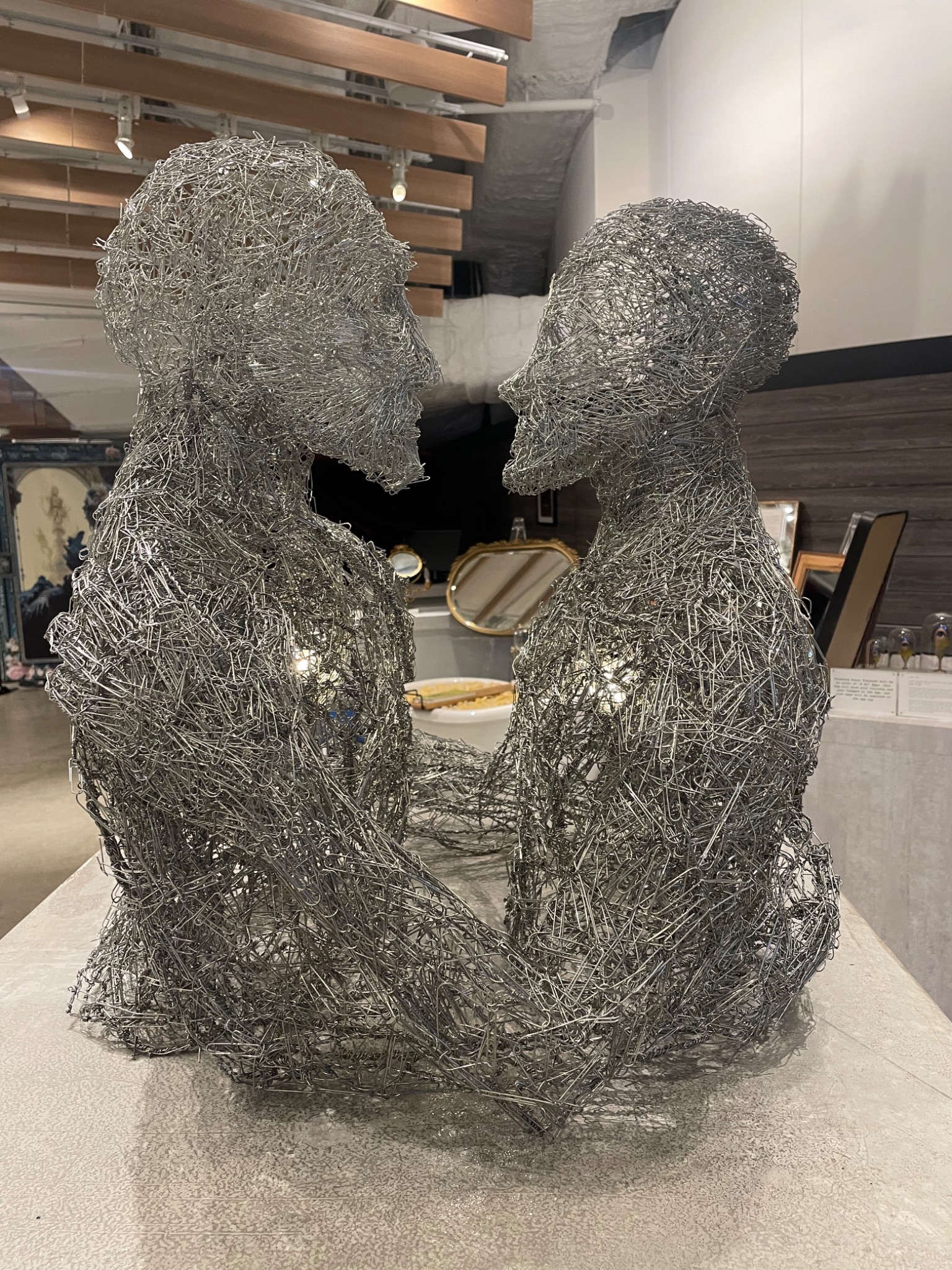
A tale of two Agent Builders
What two competing solutions to the same design problem tell about the future of designing AI interfaces.
Impeccable: Design skills for AI harnesses
1 skill, 18 commands, and curated anti-patterns for impeccable frontend design.

Impeccable: Design skills for AI harnesses
1 skill, 23 commands, and curated anti-patterns for impeccable frontend design. Works with Cursor, Claude Code, GitHub Copilot, Gemini CLI, and Codex CLI.

Semantic Scholar | AI-Powered Research Tool
Semantic Scholar uses groundbreaking AI and engineering to understand the semantics of scientific literature to help Scholars discover relevant research.

Big AI is accelerating the metacrisis: What can we do?
The world is in the grip of ecological, meaning, and language crises that are converging into a metacrisis. Big AI is accelerating them all. LLM engineering sits at the core. Despite the public good motives of language engineers and the promise of LLMs, this work is being leveraged to create unprecedented wealth and power for a handful of individuals and corporations while causing existential harm to life on earth. As a profession, we urgently need to come together to explore alternatives and to design a life-affirming future for our field of natural language processing that is centered on human flourishing on a living planet.

MainPage8
The InfoCentral project has historically been focused more heavily upon the symbolic (human-meaningful) side of AI. This included derivatives of Semantic Web and related knowledge representation research, which were dependent on human effort to curate and categorize structured data. The symbolic approach to AI has largely lost the race to the neuro/neuro-symbolic (opaque vectors, statistical) side of AI research, notably the success of the Large Language Model (LLM) paradigm. Due to its faculties with natural language, remarkably little human involvement is needed to infer structure and meaning from traditional (mostly unstructured) information. As such, some of the approaches previously explored in the InfoCentral project have lost relevance. That said, LLM-based tools can perhaps help us finish the symbolic side of the grand AI project, by doing the tedious work that humans were reluctant to do! It has long been theorized that a combination of approaches will ultimately provide the most robust and performant systems, able to work with messy transient unstructured information while also building networks of verifiable persistent structured information that both humans and machines can cross-verify. This may prove useful in both ensuring that future AI systems remain aligned to human goals and values and that inevitable abuses and failures can be easily recovered from. To that end, some research results of this project may be re-usable in a new context.
The AI Aesthetic
Writing about the big beautiful mess that is making things for the world wide web.
How AI Tools Differ from Human Tools
Why the mental models we've built for human interfaces don't work for AI, & how Anthropic's latest guidelines are reshaping tool design for better performance & efficiency.
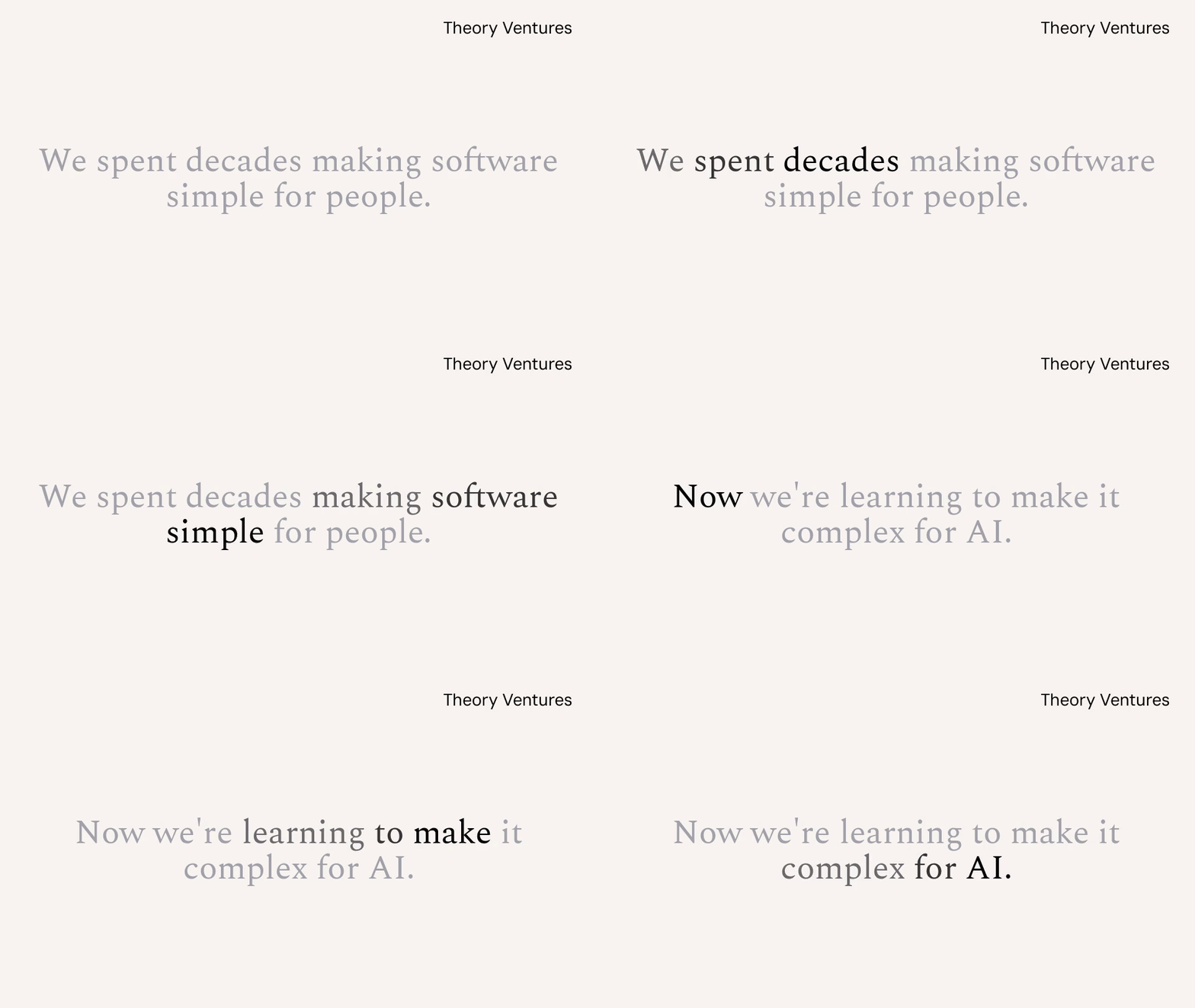
Say precisely what you mean.
The words designers use when they know what they’re looking at.