

My woodworking journey. Click to read Frew’s Foolish Woodworking, by Frew Schmidt, a Substack publication with hundreds of subscribers.
My website is a shifting house ... | Laurel Schwulst
This is an adapted mirror of an essay which was originally commissioned and published for The Creative Independent ↗ on May 21, 2018.Since publishing, this essay has become required reading in many design syllabi worldwide and has been republished and translated into multiple languages.

J. R. Carpenter || A Handmade Web
J. R. Carpenter is an artist, poet, researcher, and lecturer in Creative Practice (Performance Writing) in the School of English at University of Leeds, UK.
Profile: wooders | Hacker News
Why Build Toys
I first wrote this essay a few years ago. A founder mentioned it to me over the weekend, and so I decided to re-publish it here. One thing that's bothered me in the time since I wrote it is the way...

More and More and More
It has become habitual to think of our relationship with energy as one of transition: with wood superseded by coal, coal by oil, oil by nuclear and then at some future point all replaced by green sources. Jean-Baptiste Fressoz’s devastating but unnervingly entertaining book shows what an extraordinary delusion this is. Far from the industrial era passing through a series of transformations, each new phase has in practice remained almost wholly entangled with the previous one. Indeed the very idea of transition turns out to be untrue. The author shares the same acute anxiety about the need for a green transition as the rest of us, but shows how, disastrously, our industrial history has in fact been based on symbiosis, with each major energy source feeding off the others. Using a fascinating array of examples, Fressoz describes how we have gorged on all forms of energy – with whole forests needed to prop up coal mines, coal remaining central to the creation of innumerable new products and oil still central to our lives. The world now burns more wood and coal than ever before. This book reveals an uncomfortable truth: ‘transition’ was originally itself promoted by energy companies, not as a genuine plan, but as a means to put off any meaningful change. More and More and More forces its readers to understand the modern world in all its voracious reality, and the true nature of the challenges heading our way.
Enhancing Craftsmanship: Evaluation of AR-Assisted Learning of Work Steps in Woodworking
This study addresses an unexplored intersection of vocational education and training (VET), motor skill learning, craftsmanship and the architecture, engineering and construction (AEC) industry as well as expertise sharing. Acquiring proficiency in craftsmanship involves not only theoretical knowledge but also a multitude of physical skills, such as chiselling, which are honed through repetition. Mastering these manual skills and combining them with knowledge of materials, such as wood, is essential for an effective executing of craftmanship. We developed an augmented reality (AR) prototype through the design case study approach to design a support for beginners, especially apprentices, in woodworking education where the connection between craftspeople and material is important for the end results. The prototype was evaluated by 28 apprentices inside and outside a woodwork shop setting. While participants praised the prototype’s 3D visualisations and interactive models, challenges in compatibility with woodwork shop environments were evident. Our findings highlight the importance of on-site evaluations in the craftsmanship context and the significance of direct interaction with real world materials. We provide a set of seven design guidelines derived from our empirical findings to inform the development of AR-based learning applications in craftsmanship. Our discussion opens up the question of the role of interactive 3D models for collaborative learning. The research extends AR’s impact in craftsmanship and AEC industry. Our study underscores the importance of expert knowledge in handling certain materials and the potential of AR to reshape work practices and visualisations, contributing to expertise sharing in this domain.

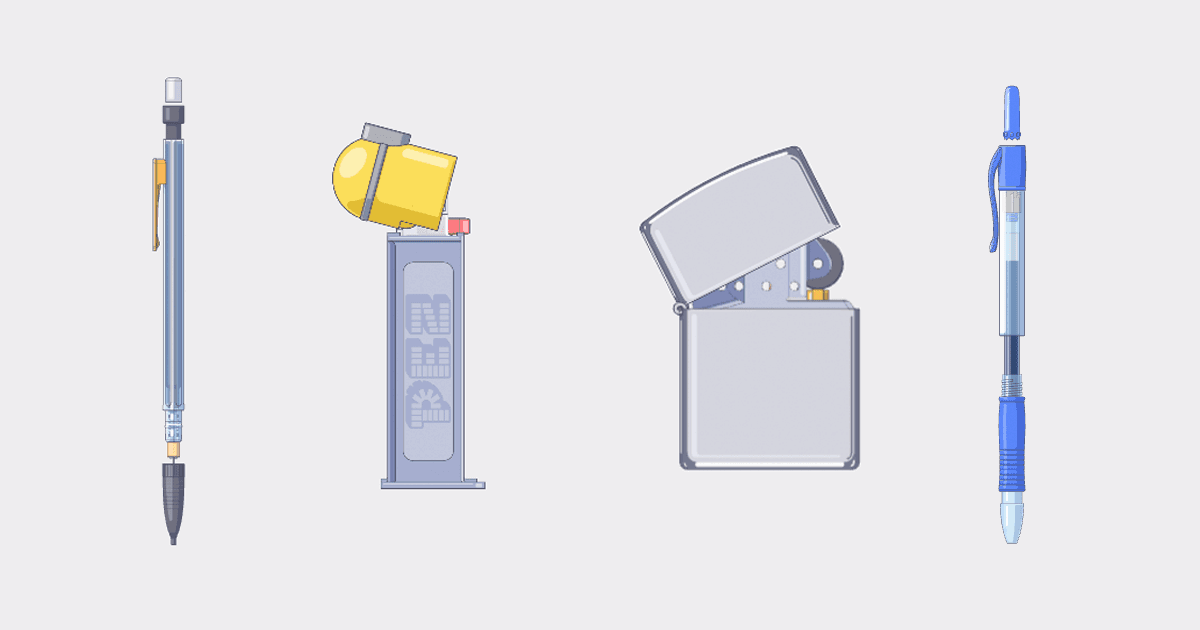
Get Your Reps: product, design, and engineering lessons from building Sail & Muddy - Alejandro García Salas
product, design, and engineering lessons from building Sail & Muddy


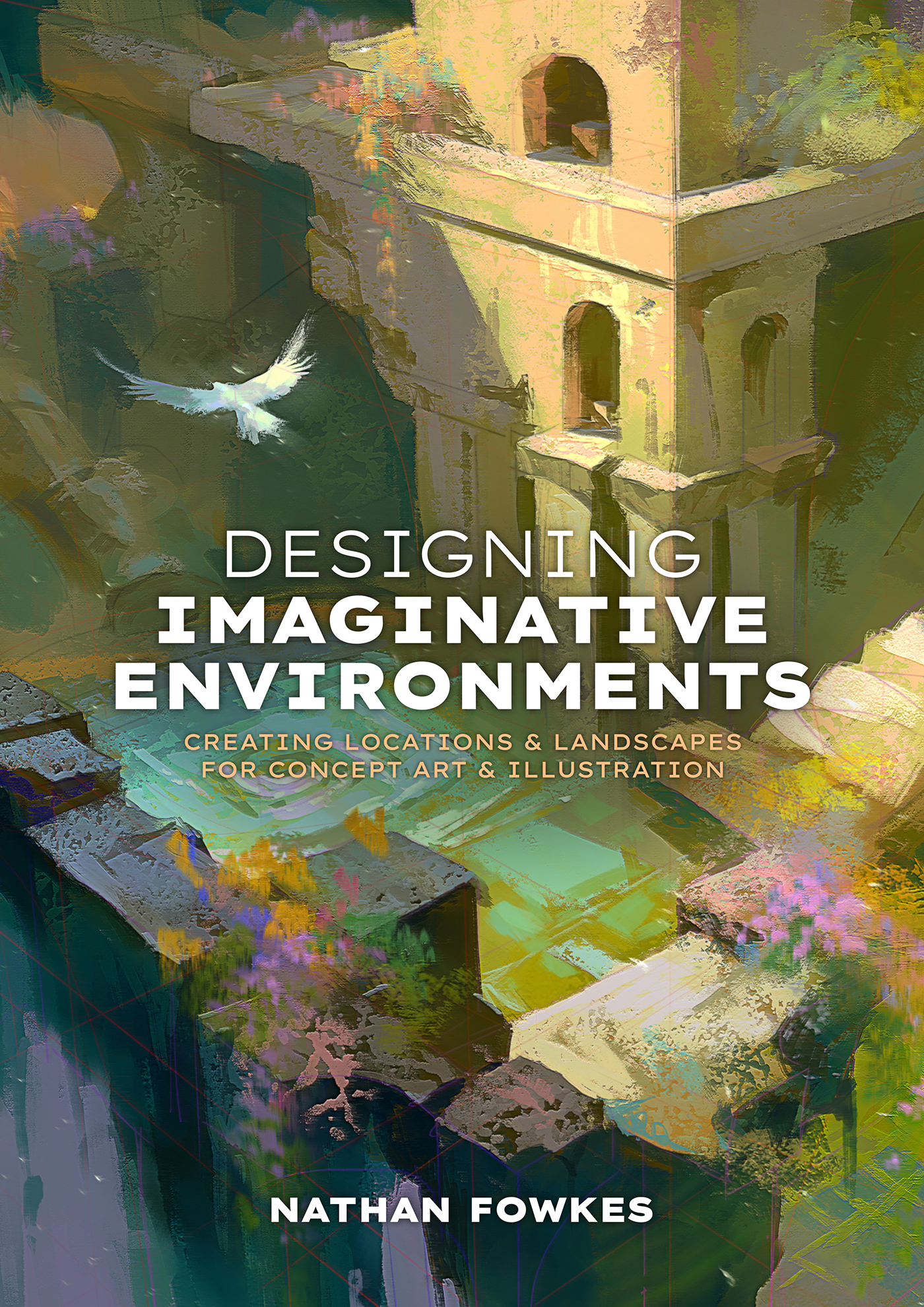
Designing Imaginative Environments by Nathan Fowkes
Join industry veteran Nathan Fowkes on a deep dive into the hows and whys of designing environments for entertainment. From creating mood with color and light, to exploring different biomes and weather, to crafting architecture and props, he will teach you how to design amazing environments that make your work stand out from the crowd.
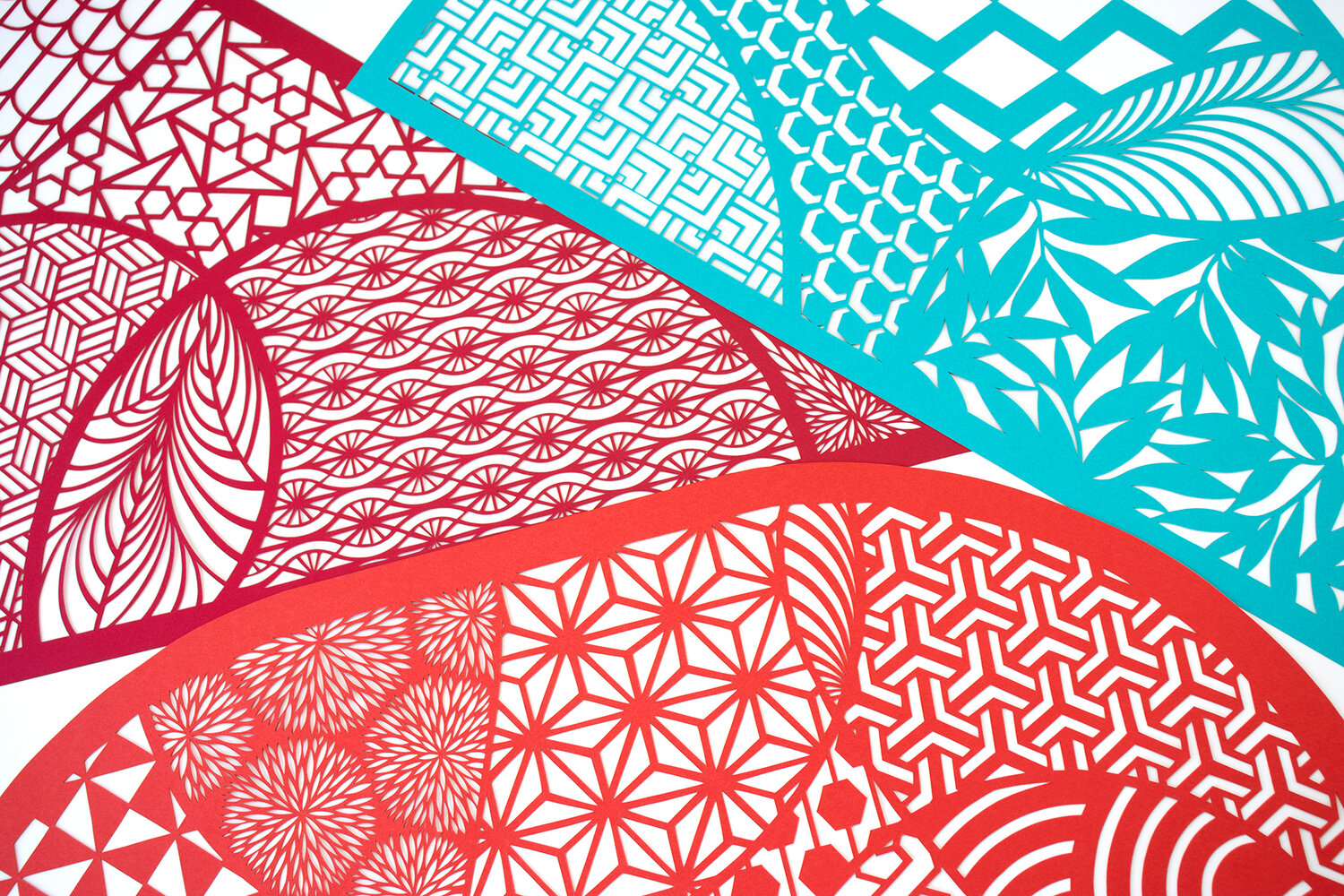
Rachael Ashe, Paper Artist
Hand-cut paper artwork and installations. Pattern-based art, craft, and design.
Willingness to look stupid is a genuine moat in creative work
Looking foolish is underrated.
RethinkDB, SageMath, Andreessen-Horowitz, Basecamp and Open Source Software
RethinkDB and sustainable business models Three weeks ago, I spent the evening of Sept 12, 2016 with Daniel Mewes, who is the lead enginee...
A Practical Model for Jobs To Be Done (JTBD)
“People don’t want a quarter-inch drill, they want a quarter-inch hole” – Theodore Levitt The concept of jobs to be done provides a lens through which to understand value creation. The approach loo…

sense-making affordance design

Proposing Botwatch - 7hird Thoughts

Bycelium

Saving this one for when I need a slide about just how hard it is to make sense of reality in 2026
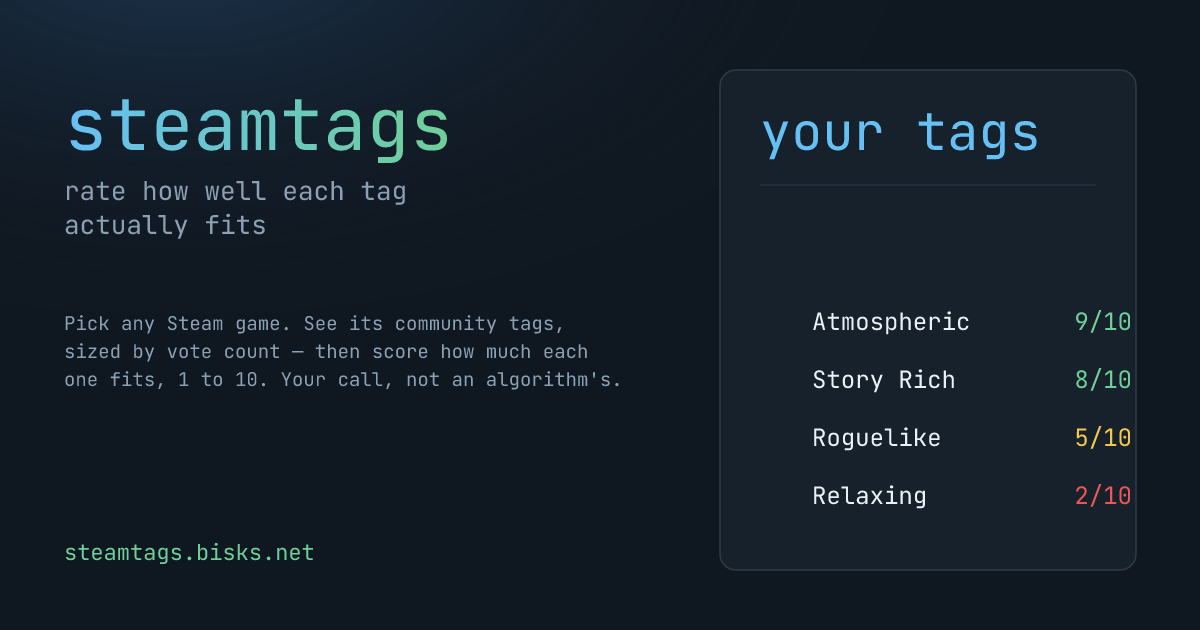
steamtags — rate how well each tag actually fits
It's working - Tynan's Leaflets
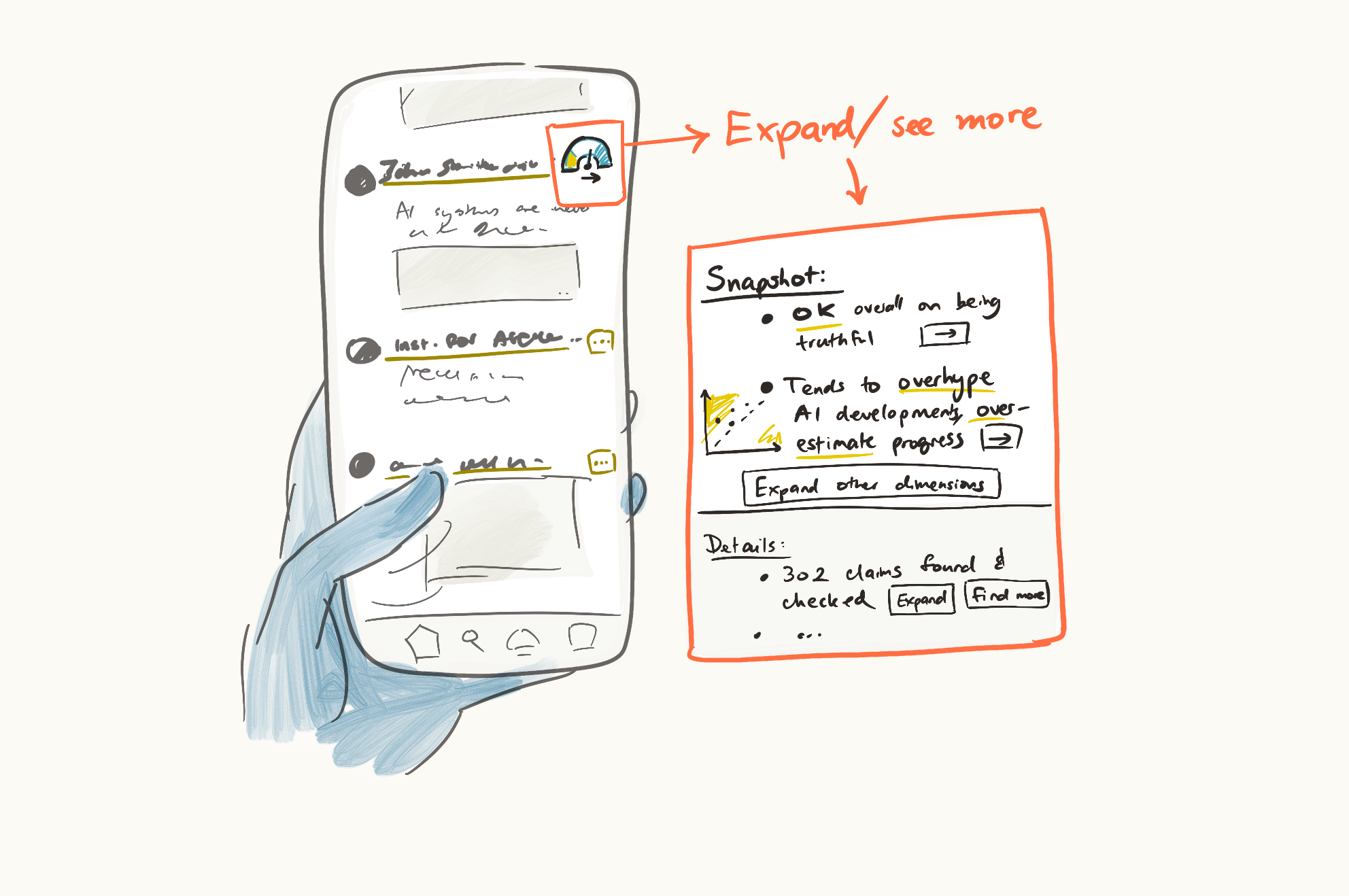
AI Tools for Trust: Community Notes, Rhetoric Detection & More