

How (mostly) 'normal' people respond to the ideas of the Social Web Marketing the Social Web is a headache. Only heightened by the clashing of heads as everyone offers an opinion. Picture those dinosaurs that have their skull on the outside. That's us. No wonder it's a headache.
Study: Social media probably can’t be fixed
The [structural] mechanism producing these problematic outcomes is really robust and hard to resolve."
Cognitive Load and Social Media Advertising
Social media engagement requires cognitive resources, which subsequently impact the advertisements consumers see while browsing. For the most part, however, advertising practitioners and scholars s...

How cognitive elaboration fosters knowledge acquisition on social media—a field experiment
Abstract. Social media technologies have been criticized as ineffective sources of information because users seem to increase their subjective but not thei
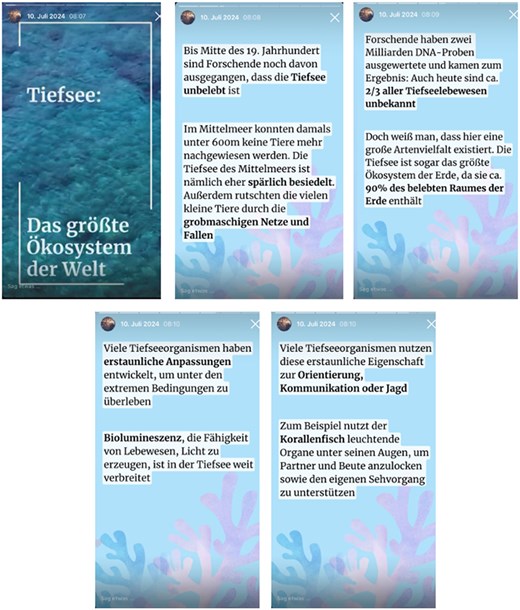
How Online Mobs Act Like Flocks Of Birds
A growing body of research suggests human behavior on social media is strikingly similar to collective behavior in nature.

Pluralistic: Social media without socializing (19 Jan 2026) – Pluralistic: Daily links from Cory Doctorow
From the earliest days of social media, social media bosses have been at war with sociability. To create a social media service is to demarcate legitimate and illegitimate forms of sociability. It's a monumental act of hubris, really.
Social Media Is Now Parasocial Media
When practitioners used the term “social media” to describe the internet tools that emerged in the mid-aughts, they were giving a name to the kinds of platforms and protocols that allowed people to socialize with friends and communities of interest by using digital technologies. Twenty years later, users of social media are far more likely to scroll than post – and the content that they consume is often strategically produced and algorithmically curated. In this essay, I argue that the very essence of social media has changed. To more effectively interrogate what we are witnessing, we need to stop presuming that these tools are “social media” and begin recognizing that they are now “parasocial media.” Doing so raises new questions about digitally mediated sociality, not to mention the politics and governance of these platforms.

Social Media Algorithms Distort Social Instincts and Fuel Misinformation - Neuroscience News
Social media algorithms, designed to boost user engagement for advertising revenue, amplify the biases inherent in human social learning processes, leading to misinformation and polarization.
Does news help us become knowledgeable or think we are knowledgeable? Examining a linkage of traditional and social media use with political knowledge
This study examines traditional and social media news use in relation to political knowledge from the perspective of the Dunning-Kruger effect. Data from a two-wave panel survey show that social me...

Directing the Herd
Social media platforms don’t produce a common public; they produce competing sub-publics, each with its own sense of what everyone knows.
FediForum | Growing the Open Social Web un-workshop, 2026/03/02

The Untold Story About W Social: Unconventional Beginnings, Strategic Pitches and Conflicting Signals
A deep dive into the origin story of W Social, an analysis of the strategic arguments they have been using to appeal to government officials, media companies and advertisers... and the discussion of conflicting signals they have been sending
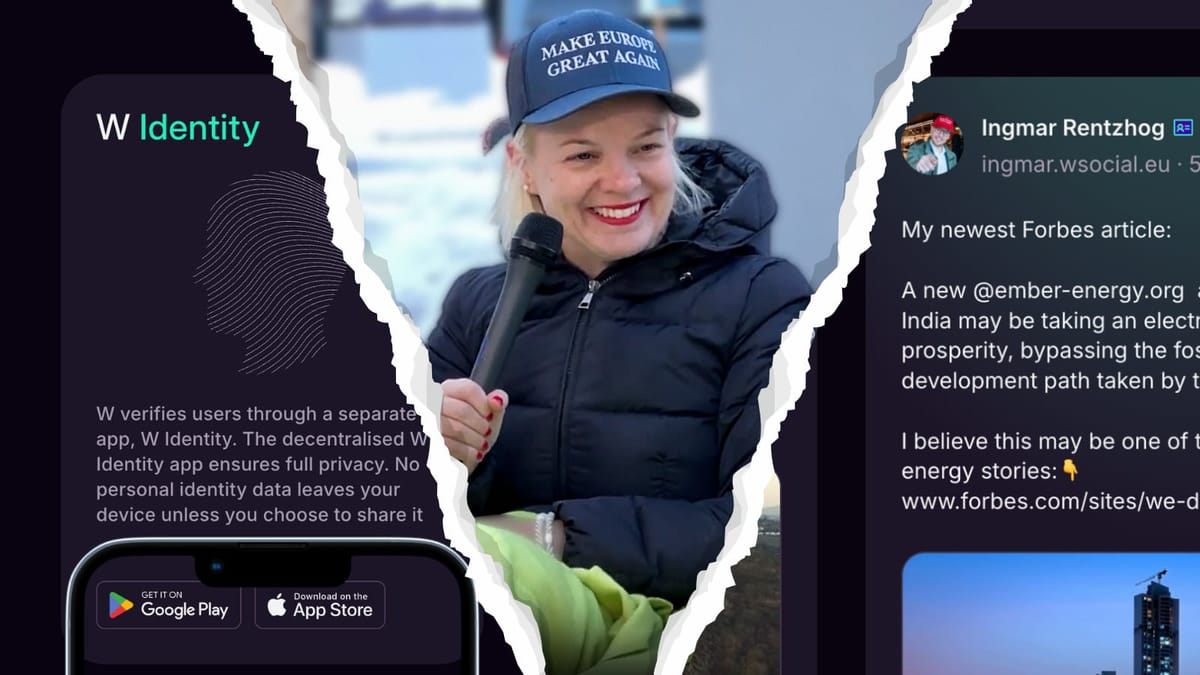
The Untold Story About W Social: Unconventional Beginnings, Strategic Pitches and Conflicting Signals
A deep dive into the origin story of W Social, an analysis of the strategic arguments they have been using to appeal to government officials, media companies and advertisers... and the discussion of conflicting signals they have been sending
Is social media truly making us more politically polarized, or does it simply over-represent our most extreme opinions? In our new preprint, @small-schulz.bsky.social and I present *punishing evidence* that social media systematically overrepresents users’ most extreme political opinions. 1/n
Social media is no longer social. Most of it is passive viewing of videos and pictures from people we've never met. But we're still studying social media like it's 2010. We've entered the post-social media era — and research needs to catch up. osf.io/preprints/socarxiv/6nue7_v1 preprint w/ Richard Rogers
rhosf.leaflet.pub/3mqsznoy55k2s/ Such an interesting post by @tessa.germnetwork.com! I feel like I have a different perspective on the social network vs. social media terms having lived through that era, but I definitely think about this distinction a lot too!

People, Not Posts
rhosf.leaflet.pub


