
We take an initial look at where median forecasts are (mostly) underestimating and (sometimes) overestimating AI progress, adoption, and impact.
Want to understand the current state of AI? Check out these charts.
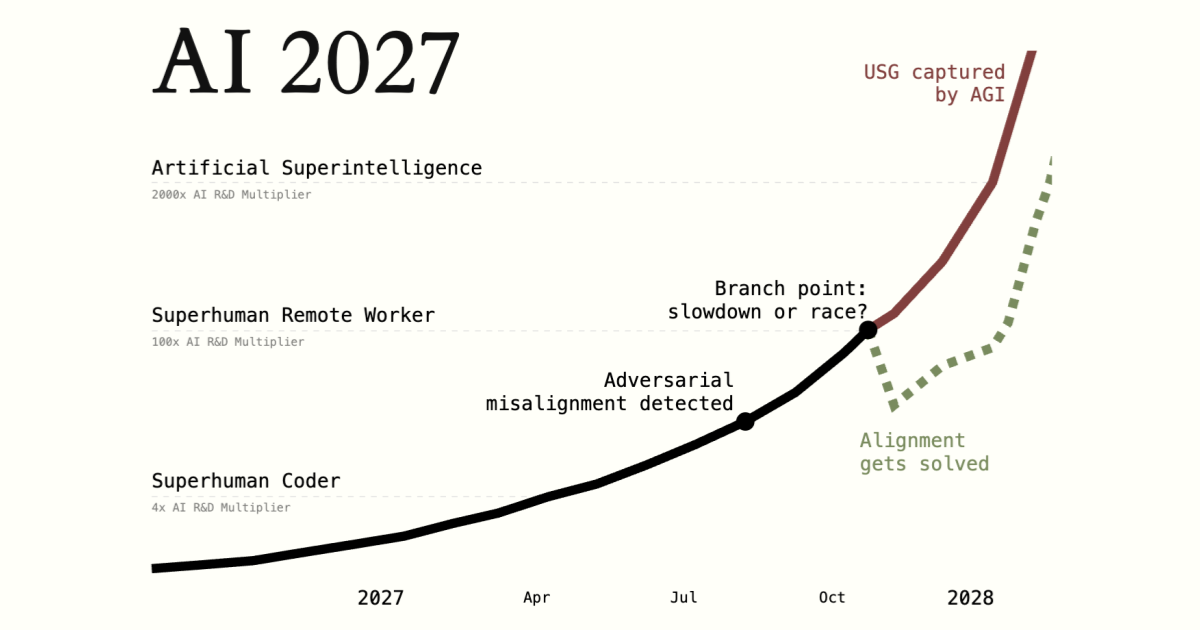
According to Stanford’s 2026 AI Index, AI is sprinting, and we’re struggling to keep up.

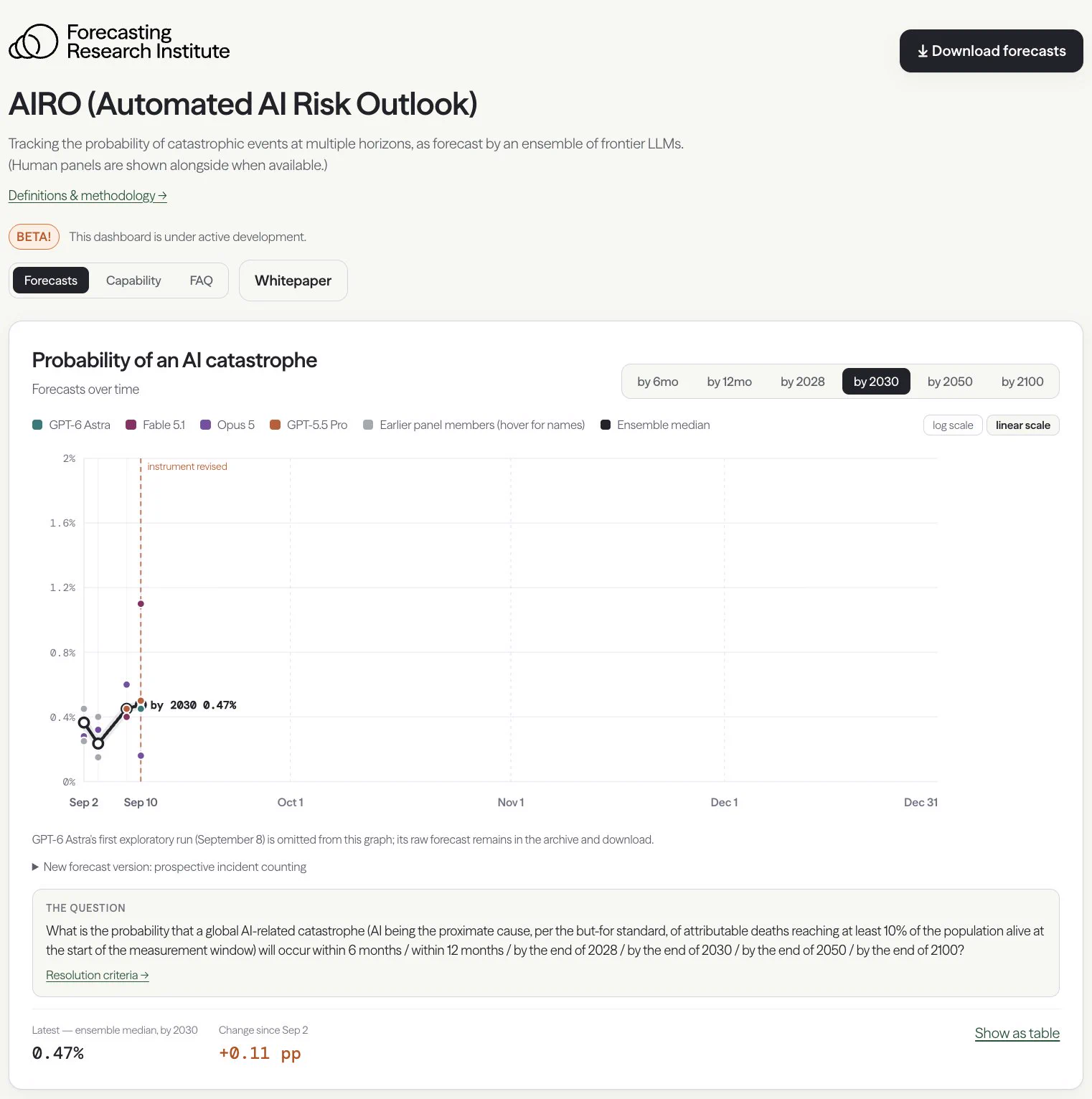
Forecasting Research Institute on Twitter / X
Introducing the Automated AI Risk Outlook (AIRO): a dashboard of catastrophic risk forecasts from an ensemble of frontier AI models, updated weekly.Current ensemble forecasts of an AI-related catastrophe that kills at least 10% of the global population:• By 2030: 0.47%• By… pic.twitter.com/vc7F00L0Oa— Forecasting Research Institute (@Research_FRI) September 11, 2026
I expect rapid progress but not towards general superintelligence
I’ve often been surprised when I hear from top researchers in industry that they think AI will be better than them at their job in a few years, and I didn’t really know why I doubted it.
When will average people feel AI’s impact?
We’re <5 years into a compounding revolution which could take a century, and how the AI industry should manage this.

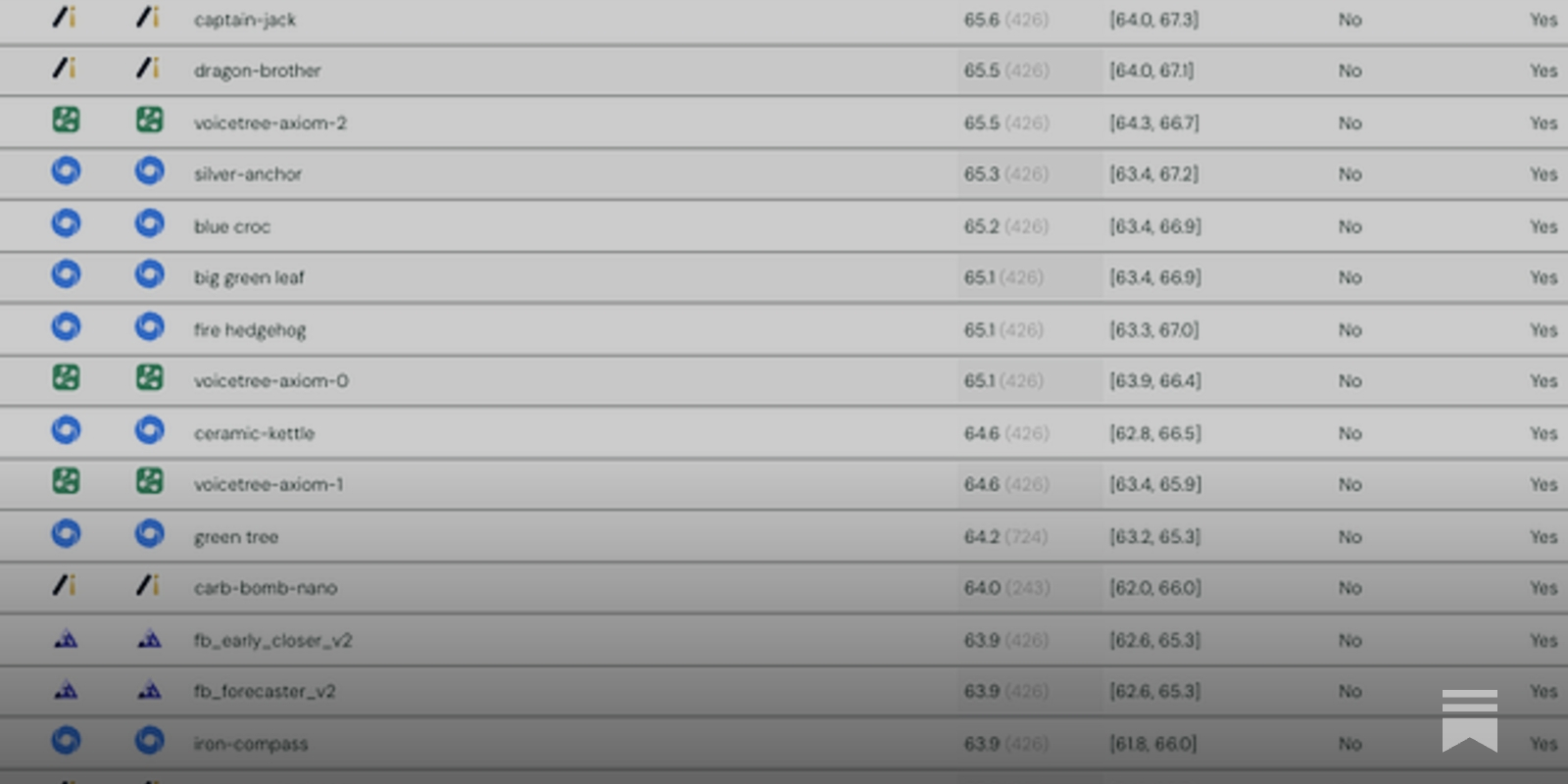
AI models have likely reached parity with superforecasters on ForecastBench
New results from the ForecastBench leaderboard suggest the gap between frontier AI and elite human forecasters is closing.
Import AI 452: Scaling laws for cyberwar; rising tides of AI automation; and a puzzle over gDP forecasting
How much could AI revolutionize the economy?

AI is now unpopular. That may not make a difference.
How Americans see AI impacting human skills; its role in science, matchmaking, religion and more
Majorities don’t want AI to give advice about religion or love. But many say AI should help forecast weather, search for financial crimes, develop medicine and more.

What the hell happened with AGI timelines in 2026?
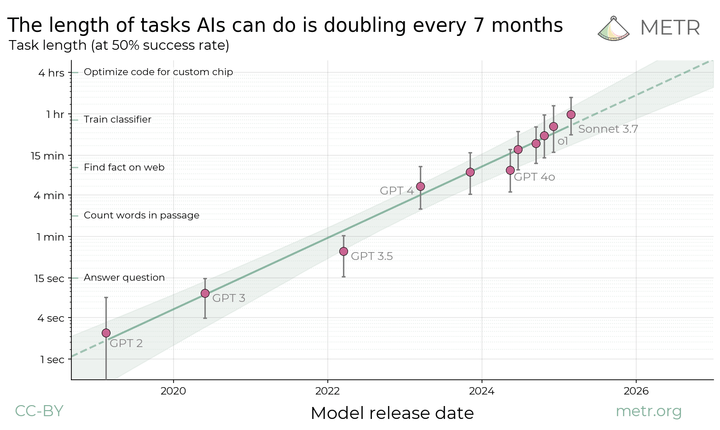
Measuring AI Ability to Complete Long Tasks
We propose measuring AI performance in terms of the *length* of tasks AI agents can complete. We show that this metric has been consistently exponentially increasing over the past 6 years, with a doubling time of around 7 months. Extrapolating this trend predicts that, in under a decade, we will see AI agents that can independently complete a large fraction of software tasks that currently take humans days or weeks.
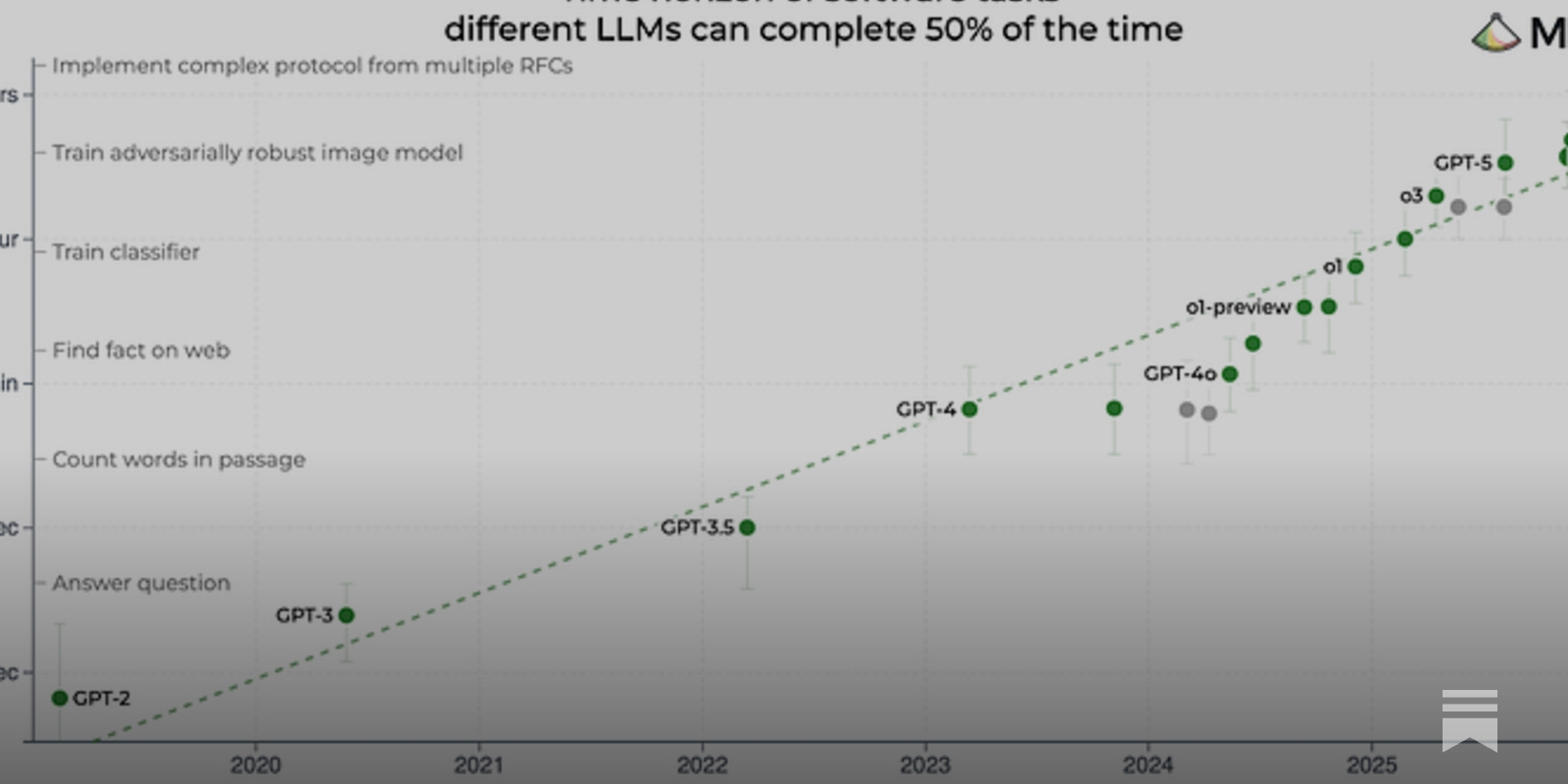
Why it’s getting harder to measure AI performance
The most famous chart in AI might be obsolete soon.
How Americans View AI and Its Impact on Human Abilities, Society
Americans are worried about using AI more in daily life, seeing harm to human creativity and relationships. But they’re open to AI use in weather forecasting, medicine and other data-heavy tasks.

TrendLife Study Shows AI Is Moving Fast, but Consumers and Families are Being Left Behind
New study of over 10,000 consumers across 9 countries reveals worry exceeds excitement about generative AI as most lack the tools and confidence to use it safely TOKYO, May 6, 2026 /PRNewswire/ --...