


We take an initial look at where median forecasts are (mostly) underestimating and (sometimes) overestimating AI progress, adoption, and impact.
Want to understand the current state of AI? Check out these charts.
According to Stanford’s 2026 AI Index, AI is sprinting, and we’re struggling to keep up.

Forecasting Research Institute on Twitter / X
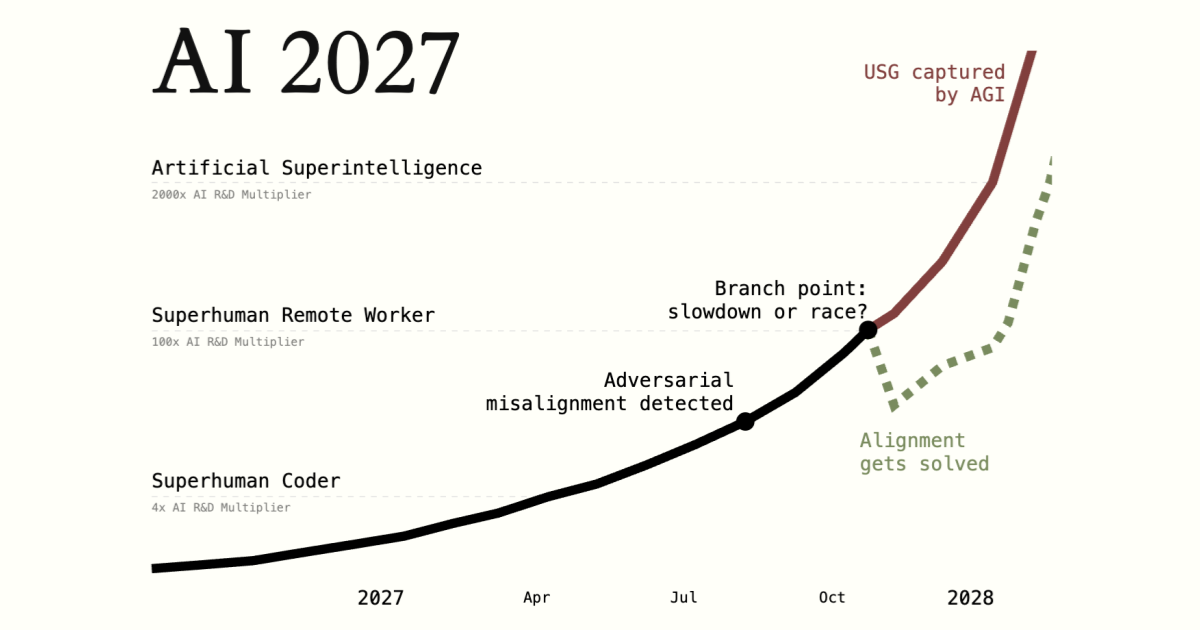
Introducing the Automated AI Risk Outlook (AIRO): a dashboard of catastrophic risk forecasts from an ensemble of frontier AI models, updated weekly.Current ensemble forecasts of an AI-related catastrophe that kills at least 10% of the global population:• By 2030: 0.47%• By… pic.twitter.com/vc7F00L0Oa— Forecasting Research Institute (@Research_FRI) September 11, 2026
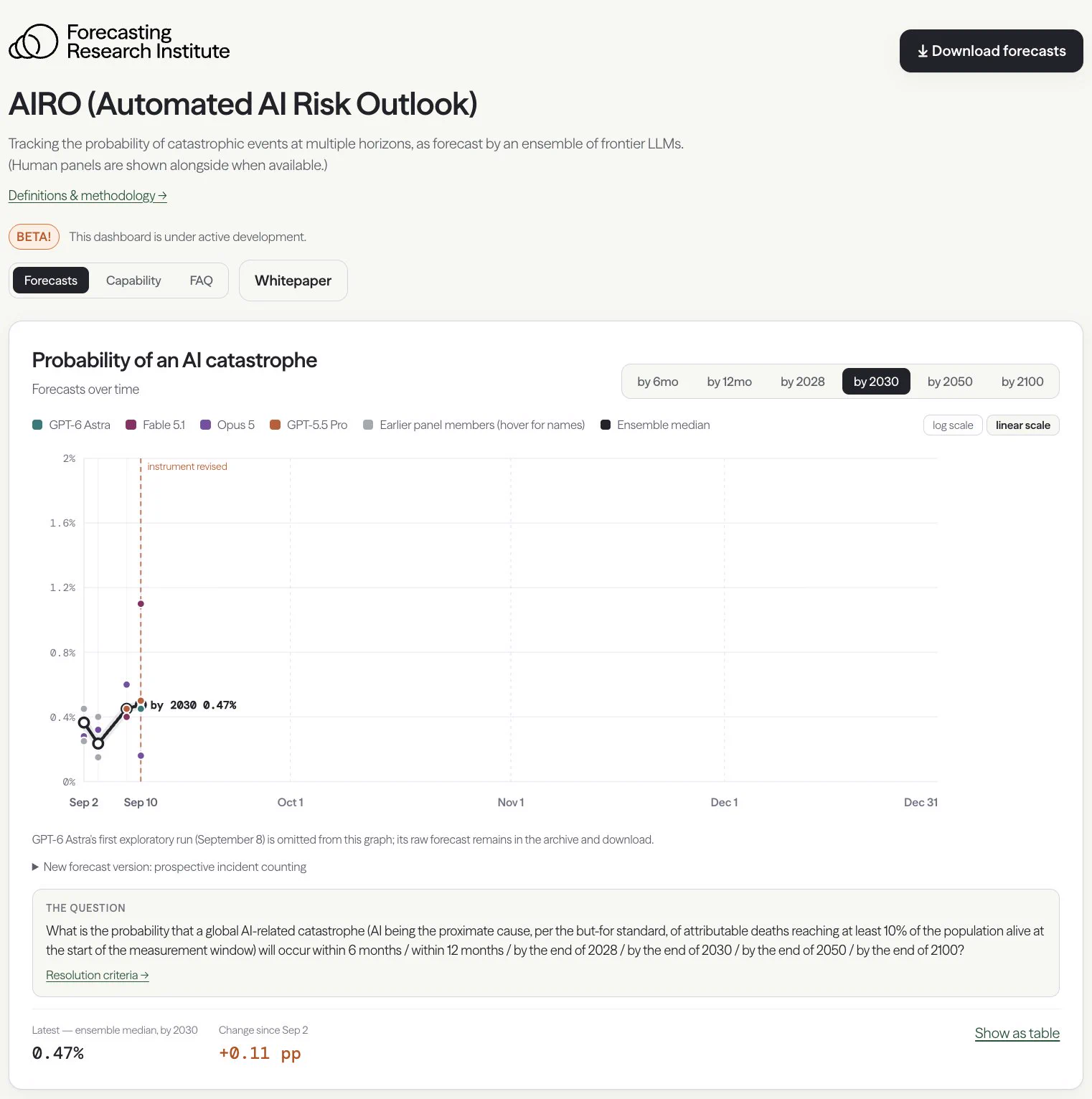
I expect rapid progress but not towards general superintelligence
I’ve often been surprised when I hear from top researchers in industry that they think AI will be better than them at their job in a few years, and I didn’t really know why I doubted it.

When will average people feel AI’s impact?
We’re <5 years into a compounding revolution which could take a century, and how the AI industry should manage this.
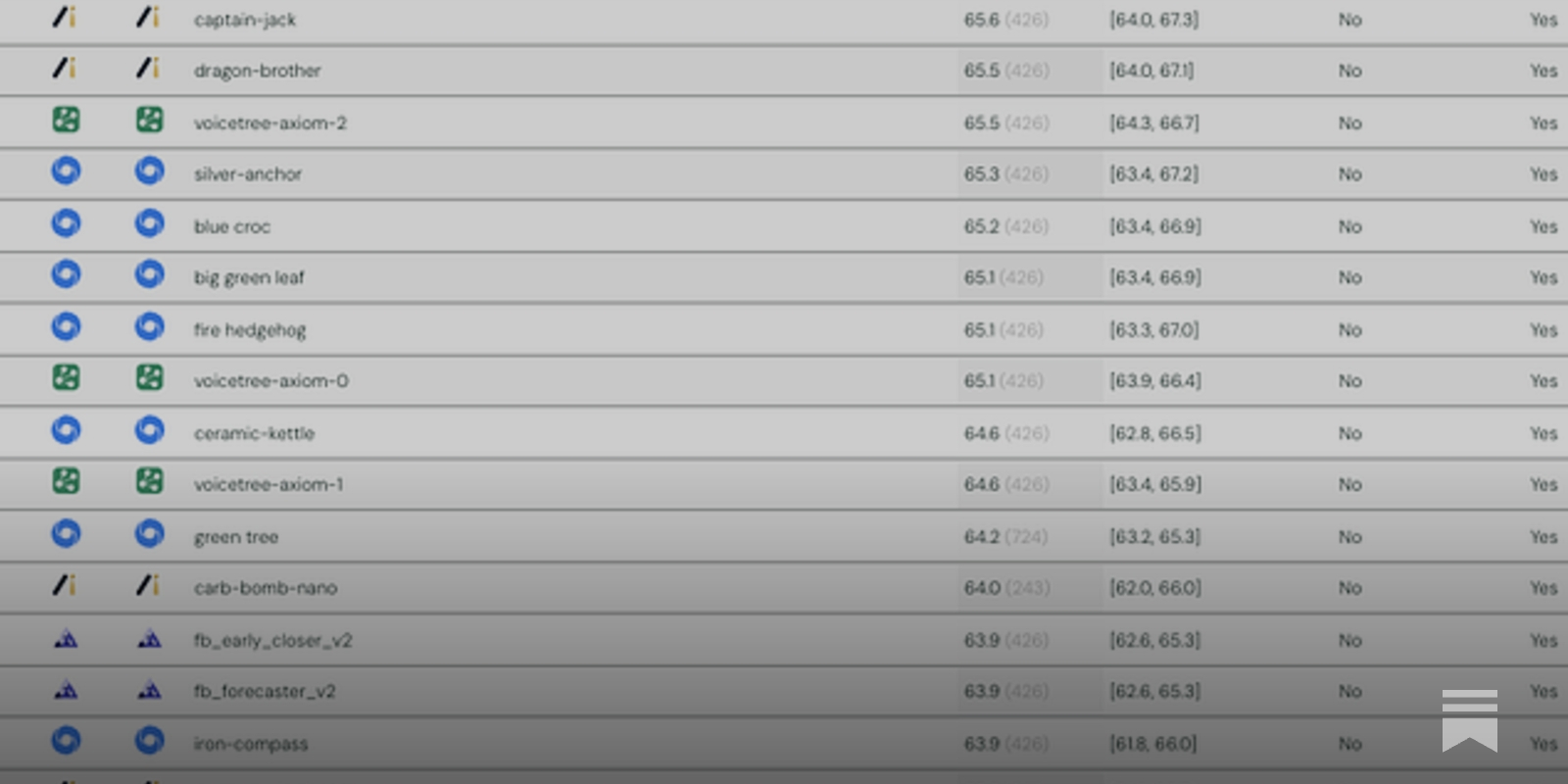
AI models have likely reached parity with superforecasters on ForecastBench
New results from the ForecastBench leaderboard suggest the gap between frontier AI and elite human forecasters is closing.
Import AI 452: Scaling laws for cyberwar; rising tides of AI automation; and a puzzle over gDP forecasting
How much could AI revolutionize the economy?

AI is now unpopular. That may not make a difference.
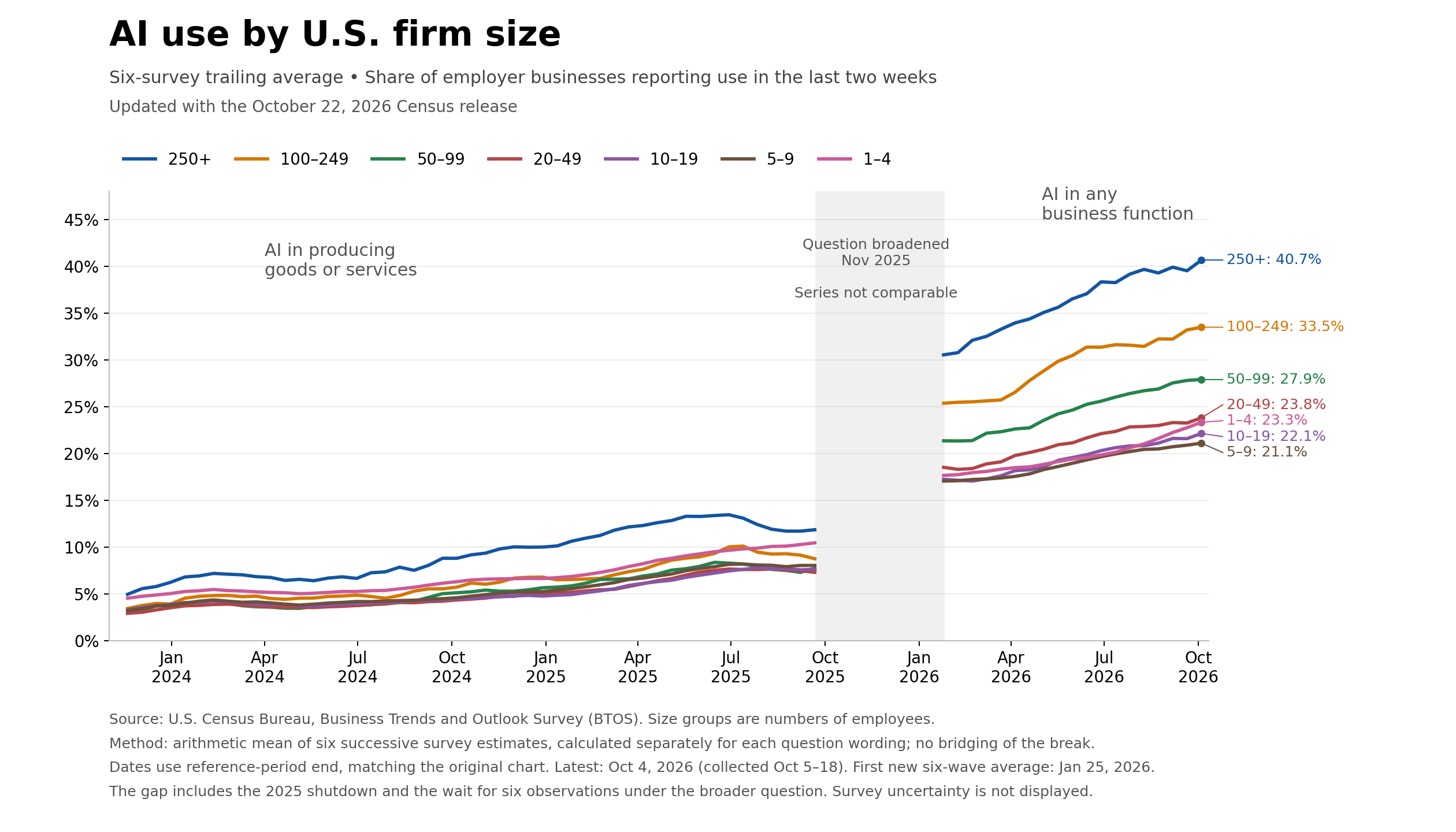
The U.S. Census Bureau and “Super Intelligence”
I was reminded today of AI Adoption Rate Trending Down for Large Companies, a chart produced by Apollo Global Management in September 2025, which appeared to show a slowdown in …
How Americans see AI impacting human skills; its role in science, matchmaking, religion and more
Majorities don’t want AI to give advice about religion or love. But many say AI should help forecast weather, search for financial crimes, develop medicine and more.
