


Paul Krugman and other mainstream trade experts are now admitting that they were wrong about globalization: It hurt American workers far more than they thought…
Une note sur les déficits commerciaux et l’industrie
Traduction française du billet de blog "A note on trade deficits and manufacturing. Some perspective on the eve of trade war" de Paul Krugman

Globalization did not hollow out the American middle class
The protectionist narrative is more myth than fact.

Les tarifs douaniers et la pauvreté dans le monde
traduction française du billet de blog "Tariffs and poverty around the world" de Paul Krugman

Ce sont les consommateurs américains, non les étrangers, qui payent les droits de douane de Trump
traduction française du billet de blog "How goes the trade war? Consumers, not foreigners, are paying the Trump tariffs" de Paul Krugman

Trump’s tariffs: Disregarding lessons from history and scenarios and probable outcomes
History is full of evidence that tariffs harm economic performance. This column assesses the two waves of globalisation in modern history and how they were interrupted by barriers to trade. The first wave started in the mid-19th century and lasted until WWI, while the second wave started after WWII and lasted until the Global Crisis of 2008-09. The most likely scenario going forward will feature tariffs around 12-14% on average, a mild recession, and a small hit to US longer-run potential. However, achieving diplomatic normalcy may take years of good US behaviour, and it is unlikely during the Trump administration.
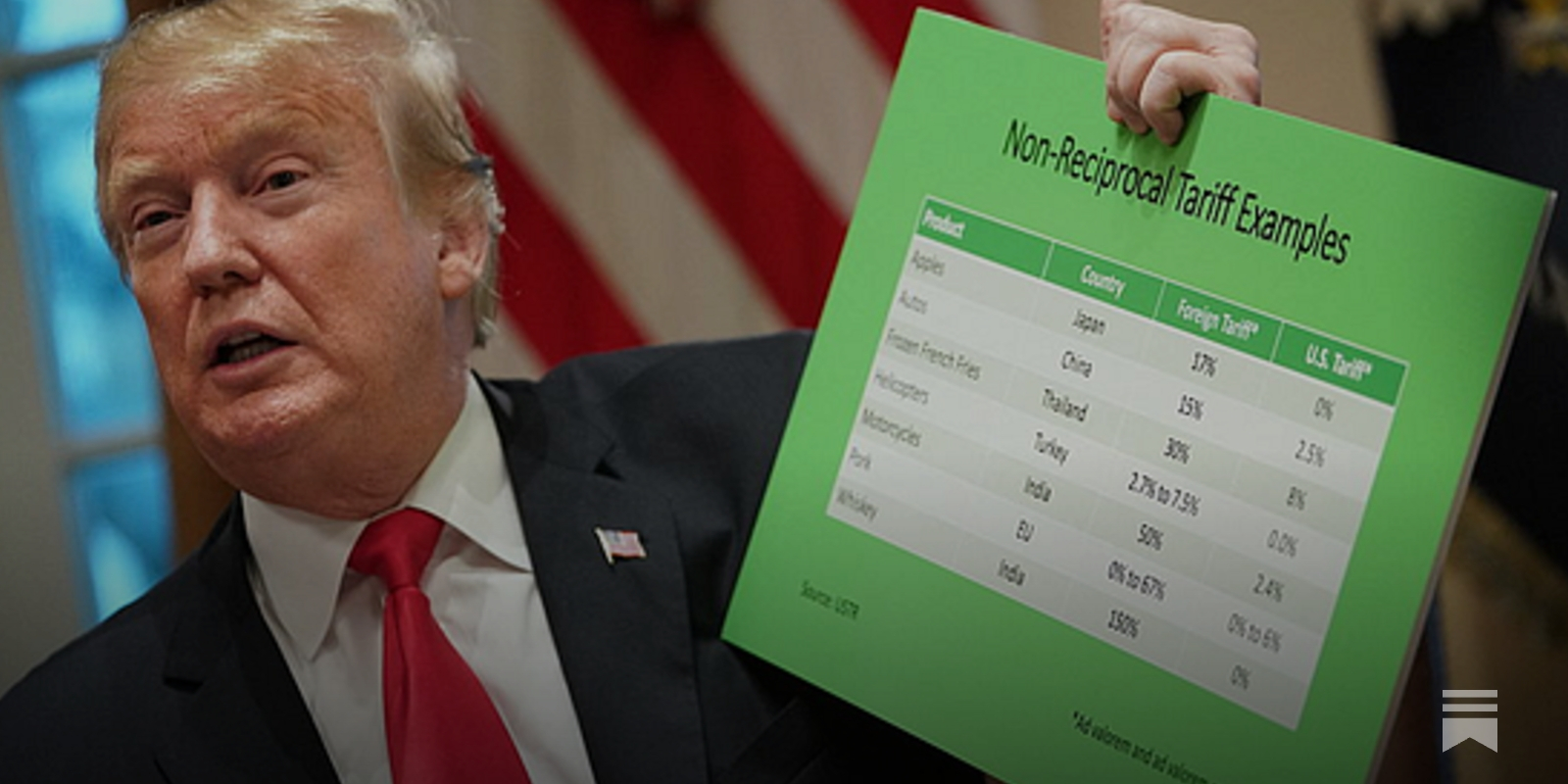
Trump peut-il réduire le déficit commercial américain ?
Traduction du billet de blog "Can Trump reduce the trade deficit?" de Paul Krugman

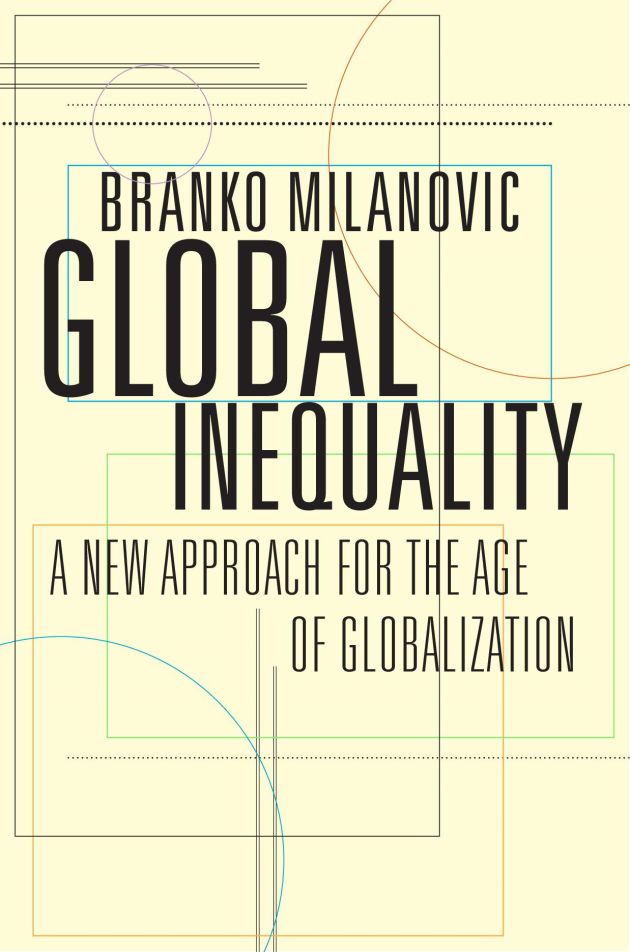
Global Inequality — Harvard University Press
Winner of the Bruno Kreisky Prize, Karl Renner InstitutA Financial Times Best Economics Book of the Year An Economist Best Book of the Year A Livemint Best Book of the YearOne of the world’s leading economists of inequality, Branko Milanovic presents a bold new account of the dynamics that drive inequality on a global scale. Drawing on vast data sets and cutting-edge research, he explains the benign and malign forces that make inequality rise and fall within and among nations. He also reveals who has been helped the most by globalization, who has been held back, and what policies might tilt the balance toward economic justice.“The data [Milanovic] provides offer a clearer picture of great economic puzzles, and his bold theorizing chips away at tired economic orthodoxies.”—The Economist“Milanovic has written an outstanding book…Informative, wide-ranging, scholarly, imaginative and commendably brief. As you would expect from one of the world’s leading experts on this topic, Milanovic has added significantly to important recent works by Thomas Piketty, Anthony Atkinson and François Bourguignon…Ever-rising inequality looks a highly unlikely combination with any genuine democracy. It is to the credit of Milanovic’s book that it brings out these dangers so clearly, along with the important global successes of the past few decades.—Martin Wolf, Financial Times
Droits de douane : comment le projet radical de Trump pourrait ruiner l’économie américaine
traduction française du billet de blog "How Trump’s radical tariff plan could wreck our economy" de Paul Krugman

Le dollar et le déficit commercial américain
traduction française du billet de blog "The dollar and the trade deficit" de Paul Krugman

Analytique des déficits commerciaux et de l'emploi manufacturier
traduction française du billet de blog "Analytics of trade deficits and manufacturing employment" de Paul Krugman

The Fallacy of Endless Economic Growth
What economists around the world get wrong about the future.

Labor Market Adaptation to Rising Import Competition
In Places versus People: The Ins and Outs of Labor Market Adjustment to Globalization (NBER Working Paper 33424), David Autor, David Dorn, Gordon H. Hanson, Maggie R. Jones, and Bradley Setzler examine how local labor markets and the workers in these markets adjusted to increased Chinese import competition in the first two decades of this century. They analyze comprehensive employer-employee data from the Census Bureau’s Longitudinal Employer-Household Dynamics program over the 2000–19 period. Their analysis exploits location-specific variation in the impact of growing imports from China following China’s accession to the World Trade Organization (WTO) in 2001, which is due to the heterogeneity in industry composition across local labor markets.

Global labor arbitrage
Global labor arbitrage is an economic phenomenon where, as a result of the removal of or disintegration of barriers to international trade, jobs move to nations where labor and the cost of doing business are inexpensive and/or impoverished labor moves to nations with higher paying jobs.

Thomas Piketty Knew This Was Coming
The scholar of inequality warned us that our economic systems couldn’t withstand a global catastrophe.

annotations: Le nouvel accord commercial de l'empereur
traduction française du billet de blog "The emperor’s new trade deal" de Paul Krugman