


In Part 3, I argued that having a personal knowledge base is the linchpin of success in a creative economy. A knowledge base allows you to reuse past work, draw from past experiences, share your knowledge in concrete form, and eventually, build products and services out of that knowledge. This requires strategically structuring your work in the first place, as a series of what I call intermediate packets.
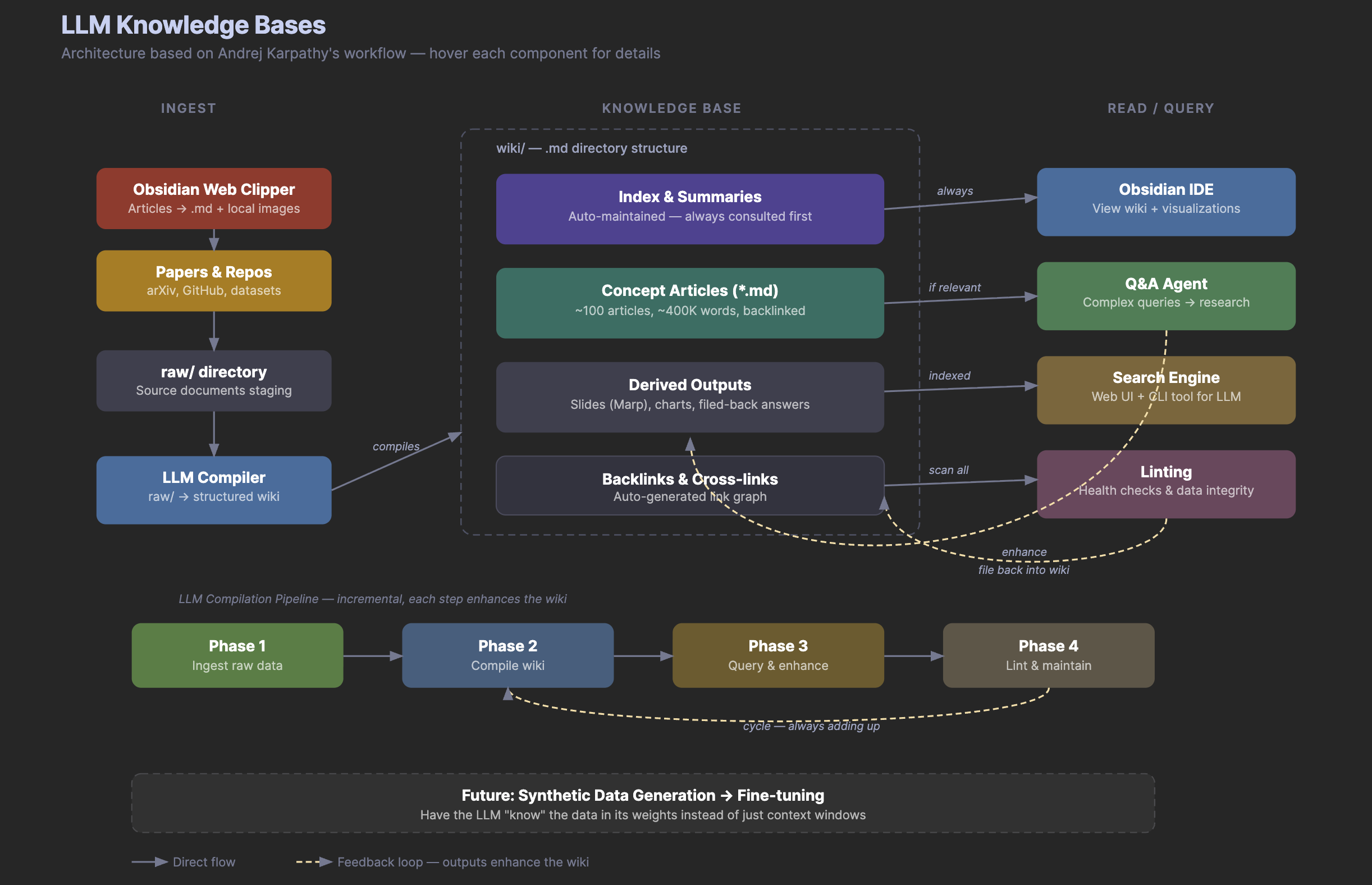
LLM Knowledge Bases
A visual breakdown of Andrej Karpathy's approach to building personal knowledge bases powered by LLMs. Learn the 4-phase pipeline: ingest, compile, query, and maintain - with an interactive architecture diagram.
Just-In-Time PM #14: Personal Productivity Networks - Forte Labs
In Part 13, we looked at the benefits of Component Thinking, which involves thinking of any product we are working on as made up of subcomponents, which can be evolved or swapped out over time. Now I’d like to take a step back and consider the big picture of what it means to work in small packets.

Just-In-Time PM #11: Late Starts on the Critical Path - Forte Labs
In Part 10, I argued that digital knowledge work was fundamentally different than other kinds of work, because its structure, features, and purpose could be added or changed after it was built. Principle #4 of Digital Knowledge Work is therefore to “Start everything as late as possible.”

Just-In-Time PM #10: Structure, Features, and Purpose - Forte Labs
In Part 9, I explained why it is so important to create placeholders for your work-in-process: to allow you to pursue multiple projects across different spans of time without losing your progress. What we are converging towards is a set of core principles for how Digital Knowledge Work is fundamentally different from previous kinds of work.

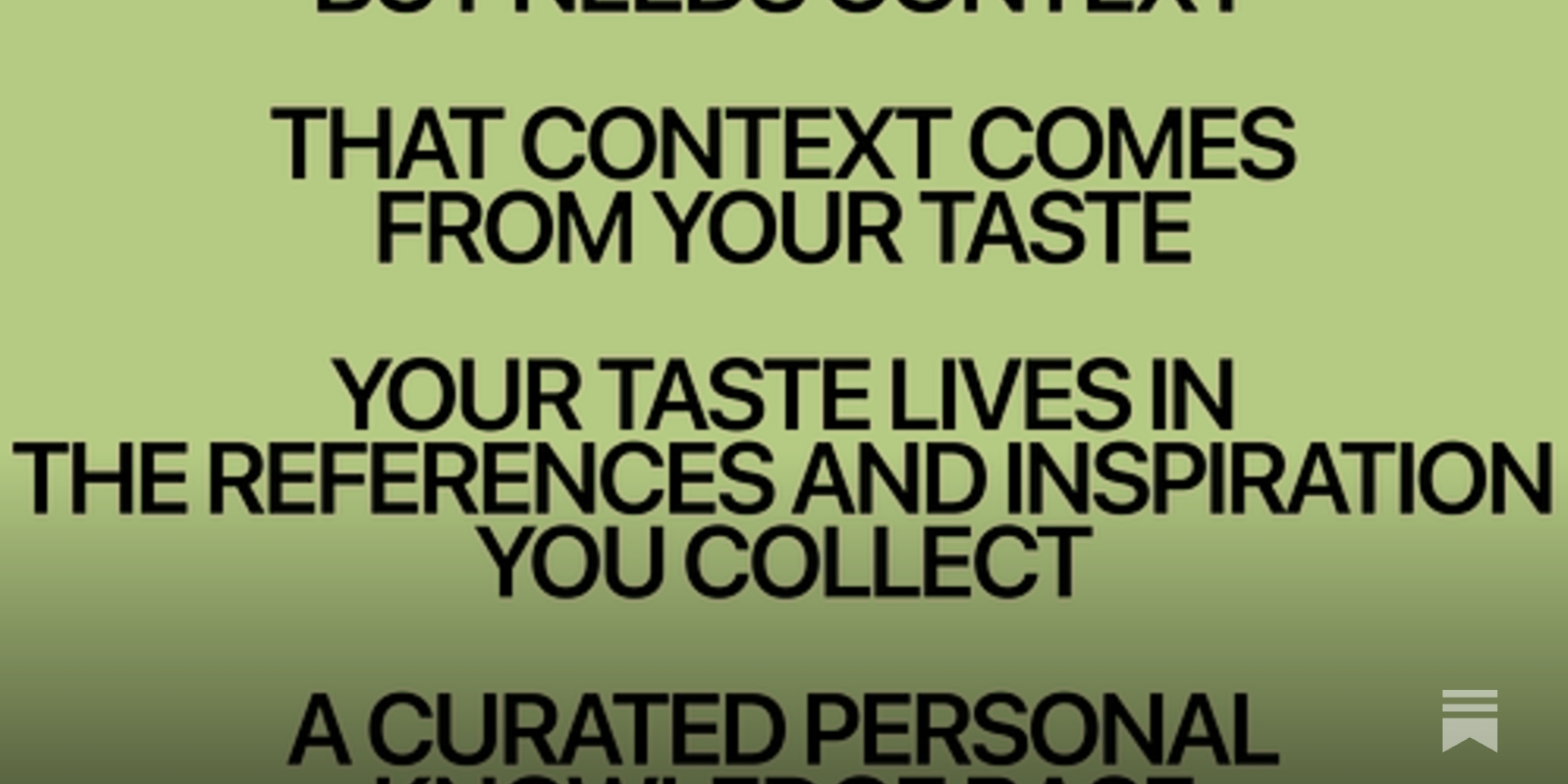
What matters in the age of AI is taste
the case for why a curated personal knowledge base has never mattered more
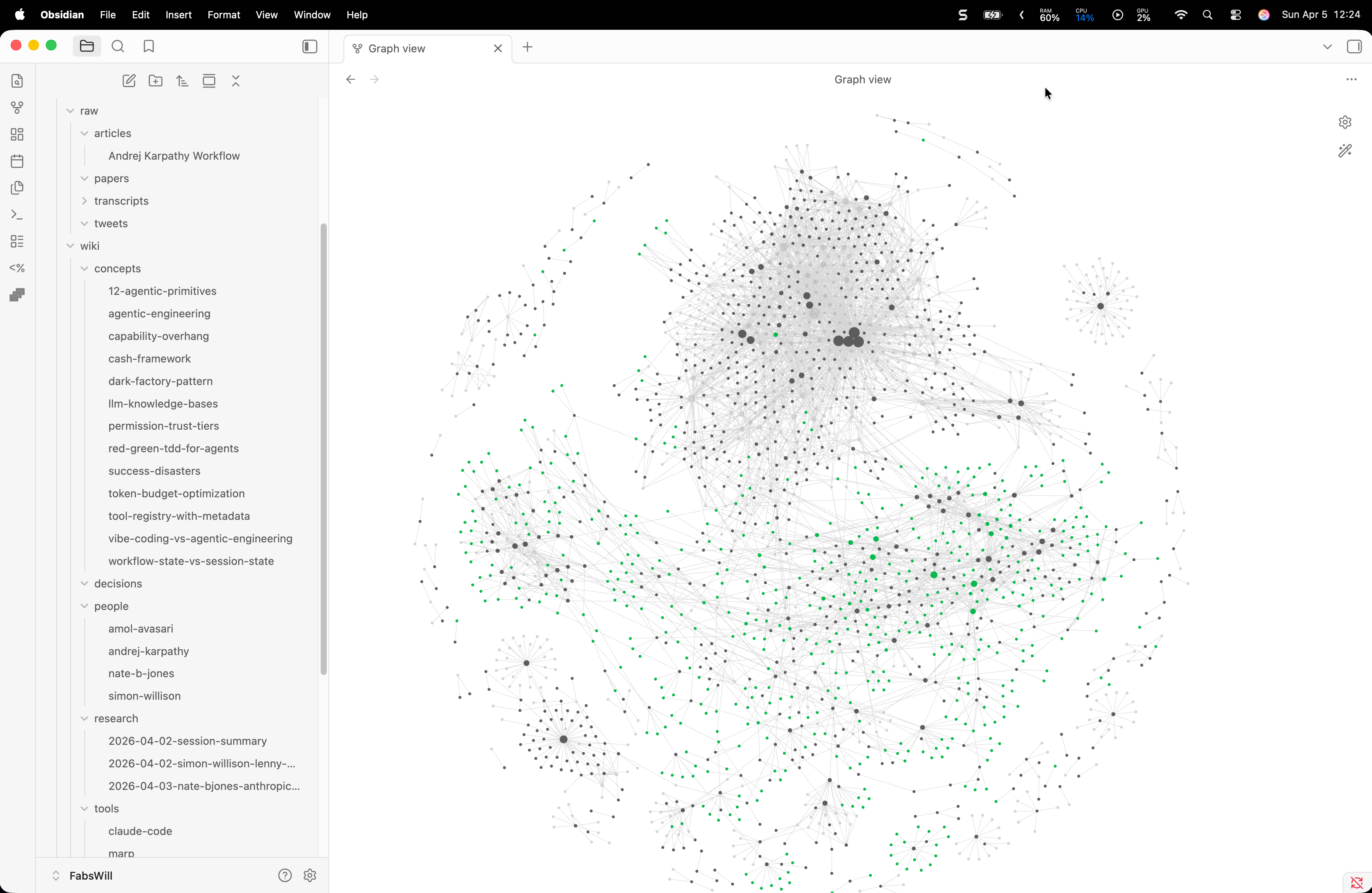
I Built a Knowledge Base That Writes Itself. Here Is What Andrej Karpathy Got Right.
Andrej Karpathy posted about using LLMs to build personal knowledge bases. I took his workflow, wired it into my Obsidian vault with Claude Code, and within an hour had 21 cross-linked wiki articles compiled from YouTube transcripts. Here is how it works and why it matters.
The Digital Productivity Pyramid - Forte Labs
Imagine if we had a learning curriculum for modern knowledge work. This curriculum would reliably produce elite performers, training them in the

The Rise of the Full-Stack Freelancer - Forte Labs
A Portfolio Approach to Modern Work In the past, being a freelancer meant being a specialist. The only way you could generate enough income to make it as

Just-In-Time PM #15: Multithreading - Forte Labs
In Part 14, we looked at the potential for massively increasing our bandwidth by creating “personal productivity networks.” These networks are made up of packets of work that move between “nodes” where some kind of intelligence is applied, whether human or software-based. But what does it look like to operate such a network in our day to day work?

My 4-Stage System for Learning Anything New - Forte Labs
Discover the systematic approach that turns curiosity into expertise through immersion, building, mentorship, and community.

An efficient approach to continuous documentation
How to cultivate lasting shared knowledge without giving up all that free time you don't really have.

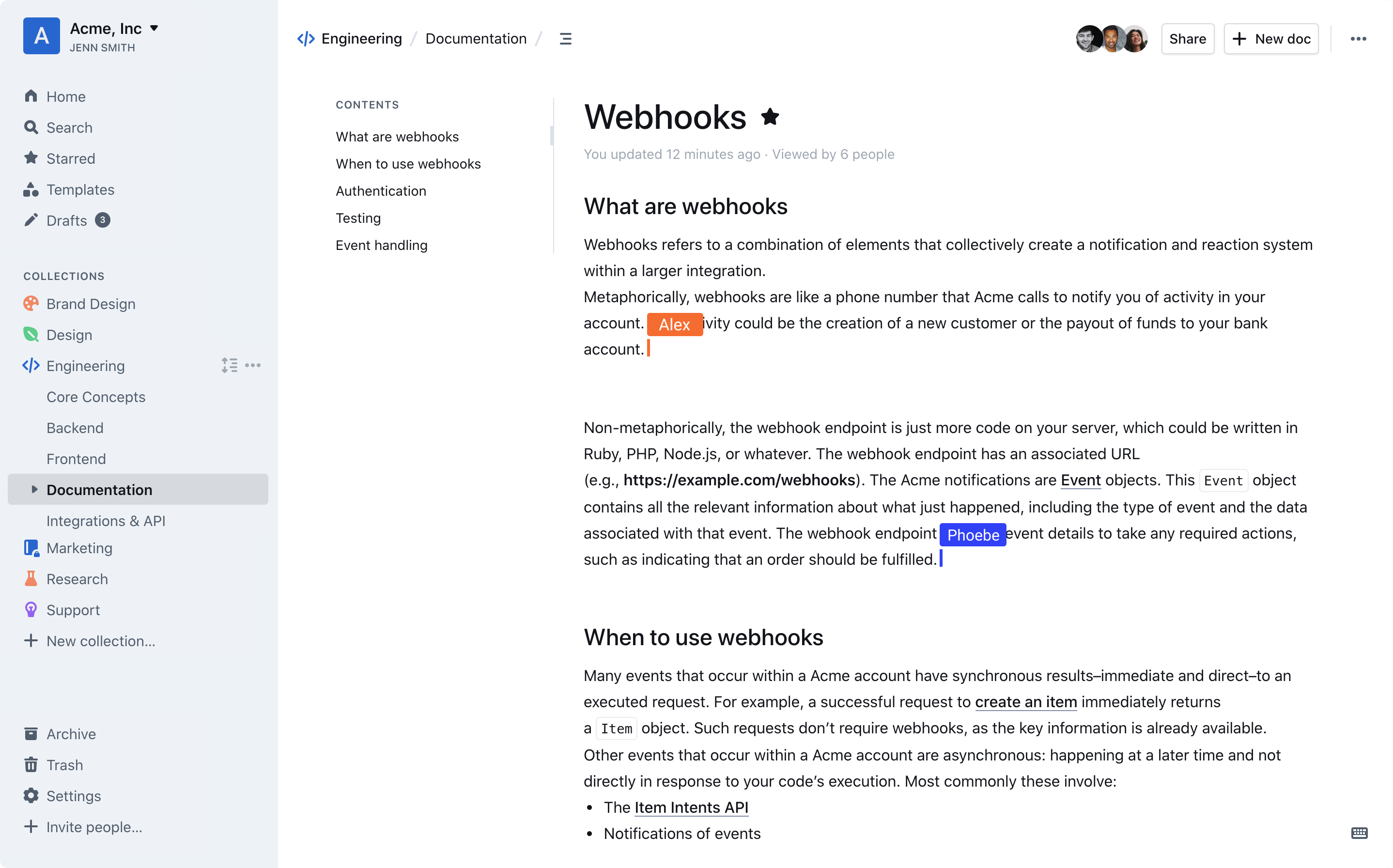
Outline – Team knowledge base & wiki
A modern team knowledge base for your internal documentation, product specs, support answers, meeting notes, onboarding, & more…
Just-In-Time PM #8: Divergence and Convergence - Forte Labs
In Part 7, I argued for the importance of interacting with information, instead of just passively consuming it. Interaction results in better learning at the same time as it creates valuable deliverables. But incorporating all these new ideas about how work is completed – flow cycles and intermediate packets, downscoping and evolving deliverables, interaction over consumption – can be a little overwhelming.

Why LLM Wiki? 🧠 Future Of Knowledge For Agentic AI & Humans
Andrej Karpathy on Twitter / X
LLM Knowledge BasesSomething I'm finding very useful recently: using LLMs to build personal knowledge bases for various topics of research interest. In this way, a large fraction of my recent token throughput is going less into manipulating code, and more into manipulating…— Andrej Karpathy (@karpathy) April 2, 2026
Organising knowledge with multi-level content
A paper about the importance of knowledge structures and multi-level content.
