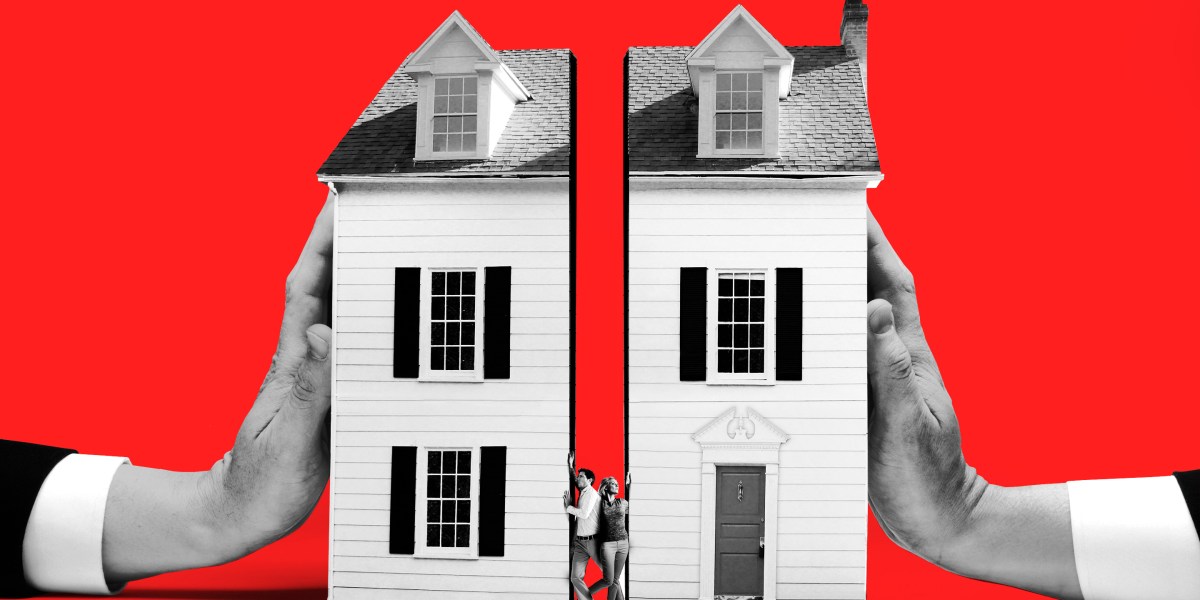
As data trickles in for April, it's becoming clear that the historically hot housing market has flipped trajectories.
Housing bubble 2.0? Regional housing markets are beginning to look like they did in 2007 | Fortune
America's 100 largest housing markets are overpriced relative to fundamentals, finds researchers at Florida Atlantic University.
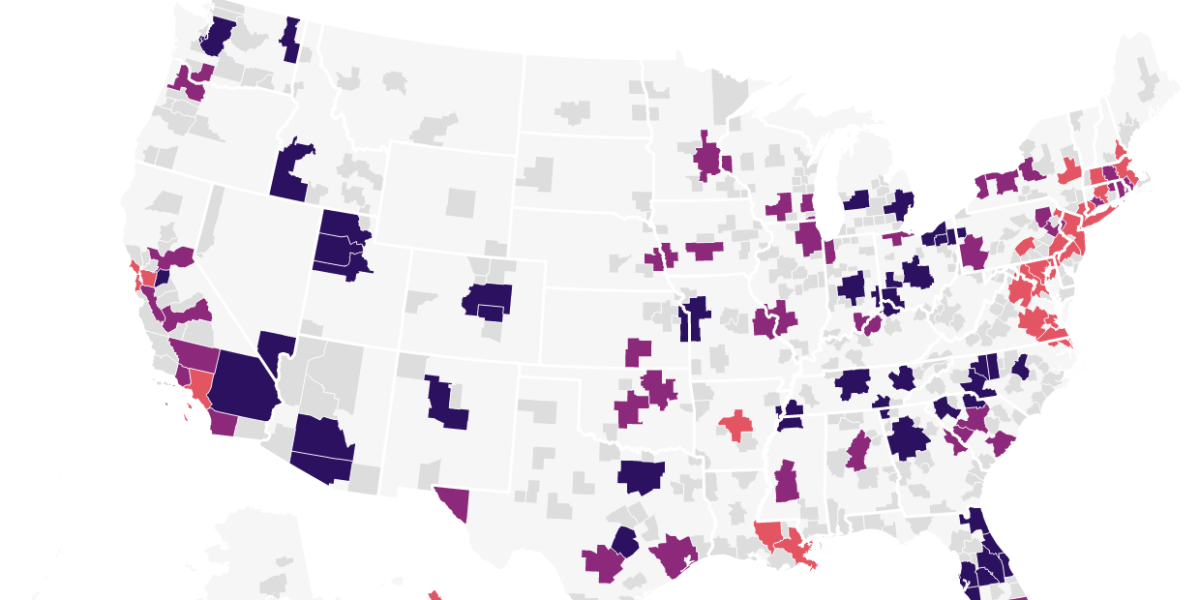
The housing market just slid into a full-blown correction, says top economist Mark Zandi | Fortune
Housing demand is pulling back—fast: "The housing market has peaked."

The housing crisis is no longer shaping big-city politics. Why not?
In both Vancouver and Toronto, debates about planning and housing have been blunted by a lull in the market and rising housing supply. But experts say that is a temporary reprieve

What Sort of AI Bubble Are We In?
Think broadband. Or, potentially, the 2008 housing market.

Housing Data
Note: We make occasional changes to CSV download paths. Monthly data is updated on the 16th of each month and most weekly data is updated every Tuesday. To explore the data, please visit the market explorer dashboard.

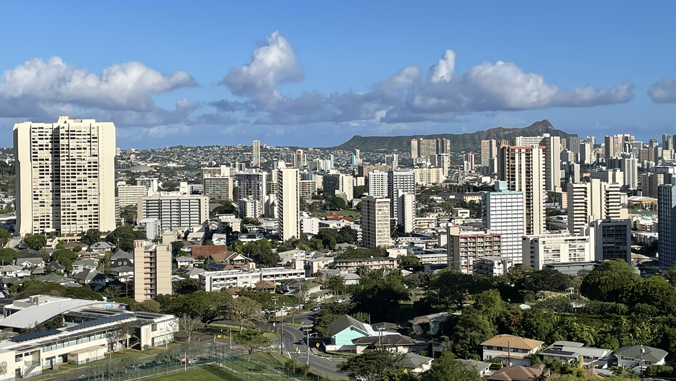
One condo, hundreds of homes: UHERO study reveals housing ripple effect | University of Hawaiʻi System News
Housing filtering is a process in which new construction sets off a chain of moves that frees up existing homes across the market.

The Folk Economics of Housing
Why is housing supply so severely restricted in US cities and suburbs? Urban economists offer two primary hypotheses: homeowner self-interest and political fragmentation. Homeowners, who outnumber and have organizational advantages over renters, are said to lobby against development to protect their property values. The fragmentation hypothesis emphasizes that development's negative externalities are borne locally while most of the benefits accrue regionally or nationally, leading localities to block housing. This paper offers another explanation: ordinary people simply do not believe that adding more housing to the regional stock would reduce housing prices. Across three original surveys of urban and suburban residents, only a minority of respondents say that a large, positive, regional housing supply shock would reduce prices or rents. These beliefs are weakly held and unstable (suggesting people have given the issue little thought), but respondents do have stable views about who is to blame for high housing prices: developers and landlords. Large, bipartisan supermajorities support price controls, demand subsidies, and restrictions on putative bad actors, policies which they believe would be more effective than supply liberalization for widespread affordability. We discuss the implications of these findings for efforts to expand the supply of housing.
Housing ladder spillovers
Rich newcomers can raise low-end rents, and adding high-end homes can lower them
A new study of Airbnb paints an ugly picture of the company's impact on New York City housing | TechCrunch
For anyone who knows their city well, it's easy to see that the short-term rental boom spurred by Airbnb's massive popularity is changing things. Figuring out what exactly is changing and how quickly is trickier. In New York, those changes have kept Airbnb and city regulators engaged in a multi-year war over what's really good for the city.

Opinion | One City Might Have Just Cracked the Housing Crisis
A large real estate development in the middle of Vancouver, British Columbia, shows how cities can build more housing.

The "Big Short" Guy Who Called (And Cashed In On) The 2008 Housing Bubble Just Bet Against the AI Bubble While Betting on Financial Armageddon In The US
Michael Burry looked at the most hyped trade in human history and said “nah.” You should probably pay attention.

Attention Is All You Need #2: This Time Is Different
What can we learn from the 2007 Global Financial Crisis and the 1990’s dot-com bubble?

Priceonomics - In Data We Trust
Priceonomics turns data into great stories. We come up with interesting topics, analyze data, and turn the insights into amazing content!

How the Housing Market Went Off The Rails
The housing theory of everything - Works in Progress Magazine
Western housing shortages drive inequality, climate change, low productivity growth, obesity, and even falling fertility rates.