
There's a reason Big Tech corporations are so enamored with releasing 'open' A.I. models, and it has nothing to do with the community ethos of open source software, according to a hard-hitting new report.
Why open source: 25 reasons to embrace it | Ben Balter
Open source isn't a fad. Here are twenty-five economic, moral, and personal reasons your organization should embrace it.
The future of open source is still very much in flux
Free and open software have transformed the tech industry. But we still have a lot to work out to make them healthy, equitable enterprises.

How open-source software took over the world | TechCrunch
It was just five years ago that there was an ample dose of skepticism from investors about the viability of open source as a business model. Fast-forward to today and we’ve witnessed the growing excitement in the space.
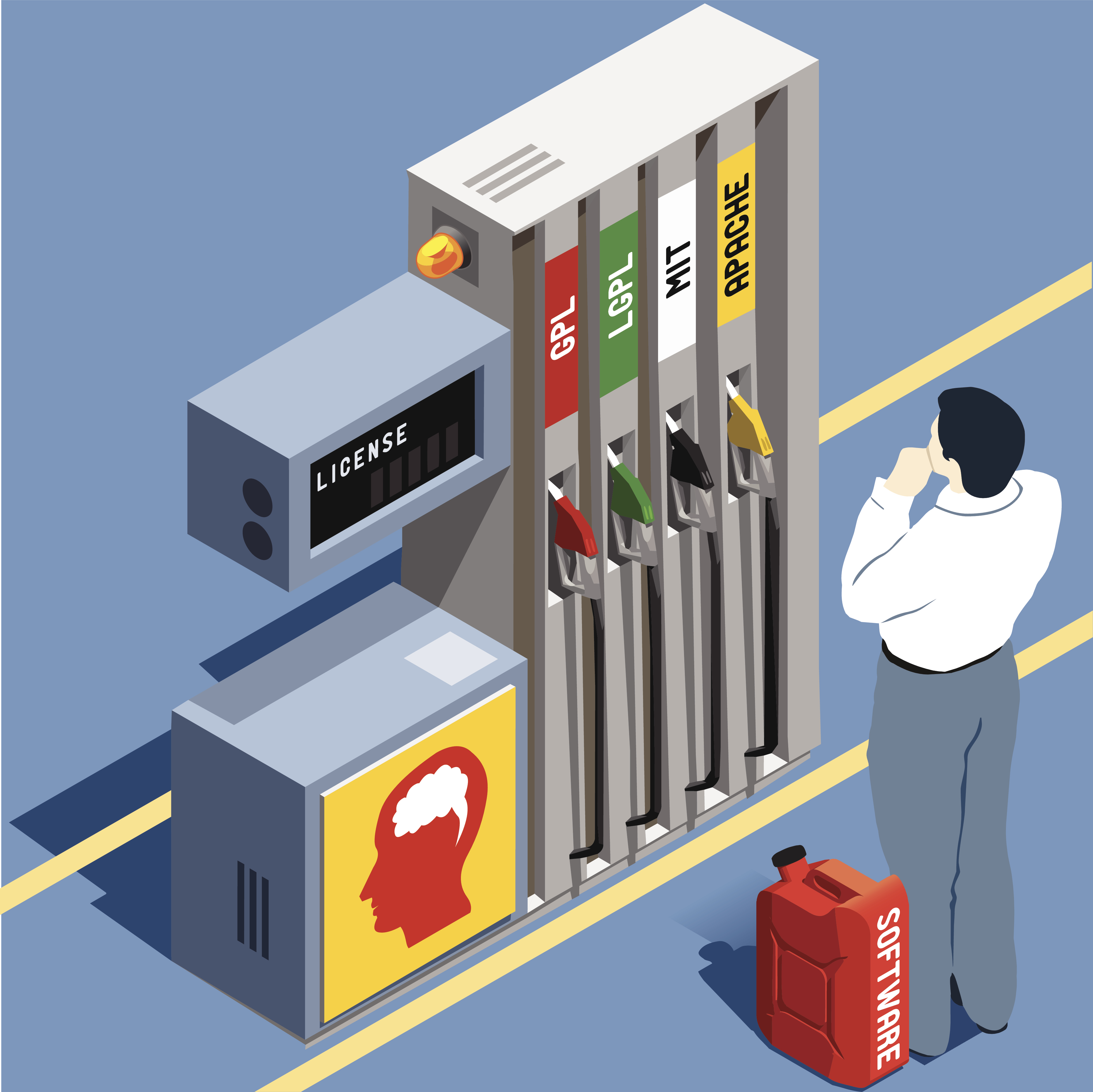
Open Source or Open Core: Why Should You Care?
Open source software has gained its significant foothold because the community development model works everywhere. Its momentum has moved it into the underlying infrastructure of some of the most sophisticated web scale companies, like Facebook and Google. Open source underpinnings now drive many of the most significant advances in the worlds of cloud and big data.
Open Source or Open Core: Why Should You Care?
Open source software has gained its significant foothold because the community development model works everywhere. Its momentum has moved it into the underlying infrastructure of some of the most sophisticated web scale companies, like Facebook and Google. Open source underpinnings now drive many of the most significant advances in the worlds of cloud and big data.
The Money In Open-Source Software | TechCrunch
It’s no secret that open-source technology -- once the province of radicals, hippies and granola eaters -- has gone mainstream. According to industry estimates, more than 180 young companies that give away their software raised roughly $3.2 billion in financing from 2011 to 2014. Despite the growing popularity of open-source software, though, many open-source companies are not financially healthy.

Open Source is Not Enough
by James Halliday // The open source movement has fundamentally changed how software gets written. But in the process, corporations have been given a vast gift of free labor.
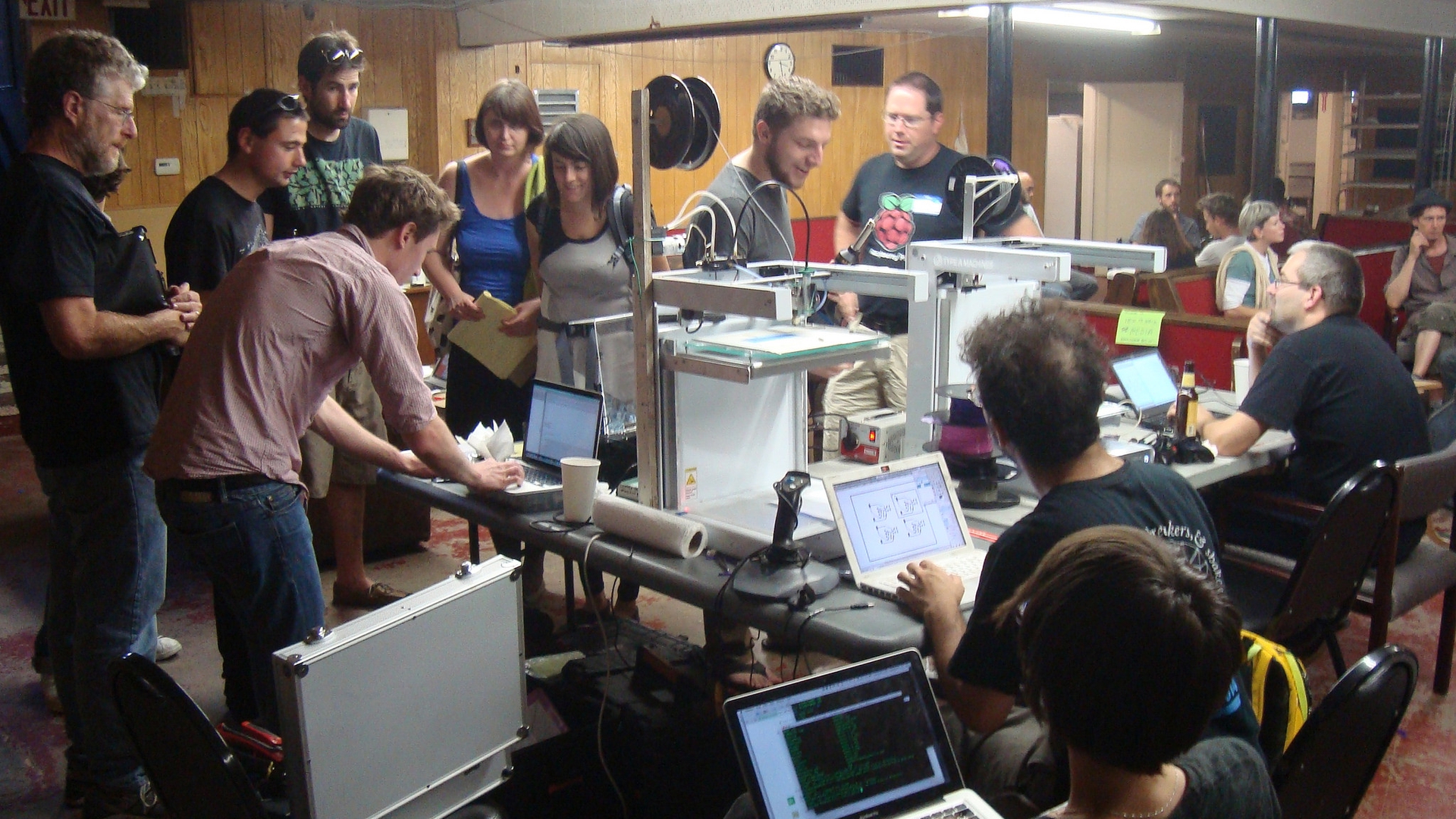
What is open source?
Why the idealistic promise of collaborative software often falls short of its potential.

Roadmap: Open Source
After years of investing in open source software, we’re releasing our thinking on what positions these companies as emerging technology giants.
More Money For Better Open-Source Software
Why There Will Never Be Another Red Hat: The Economics of Open Source | Andreessen Horowitz
Open source software powers the world’s technology. In the past decade, there has been an inexorable adoption of open source in most aspects of computing. Without open source, Facebook, Google, Amazon, and nearly every other modern technology company would not exist. Thanks to an amazing community of innovative, top-notch programmers, open source has become the...

The next wave in software is open adoption software | TechCrunch
There’s a big shift happening in how enterprises buy and deploy software. In the last few years, open technology -- software that is open to change and free to adopt -- has gone from the exception to the rule for most enterprises. We’ve seen the IT stack redrawn atop powerful open-source projects, with developers opting for an “open-first” approach to building solutions.

The shape of open source
At its core, open source is about collaboration. Whether it’s version control, licenses, or issue trackers—everything exists to support people working with each other. Open source embodies a model for…

I hate the term “open source”
It doesn’t accurately reflect how people are building today anymore.

Mozilla’s Inaugural ‘State of Open Source AI’ Report Is Here | The Mozilla Blog
Open source AI has crossed a threshold. For years the debate has centered around whether open models could ever compete with closed ones. This is no longer
Open source and the software supply chain
Managing something as esoteric as resources for building software with a variety of contributions made by the open source community is more amorphic.