
Women are more skeptical of AI. Their hesitation will make AI safer, says Harvard researcher Mara Bolis.
AI Could Set Back Women at Work. Here’s the Risk.
JP Morgan and Brookings research shows women face higher risks from AI due to lower representation, slower adoption, and job exposure.

A Growing Gender Divide in the AI Economy — The Honest Economist
The article argues that AI is reshaping gender inequality even before the pay gap visibly widens. Women are more concentrated in clerical and administrative roles where AI can restructure work, while men are more concentrated in technical, AI-complementary roles. Among college graduates, the exposur

Why women are more skeptical of AI than men, according to a new study
Drawing on survey data, the study finds that women consistently perceive AI as riskier, especially when its economic effects are uncertain.

Women Are Avoiding AI. Will Their Careers Suffer? | Working Knowledge
Women are adopting generative AI technology at a significantly lower rate than men, in many cases because women question whether it's ethical to use the tools, according to research by Rembrand Koning and colleagues. If women are shying away from AI, could the gender gap in pay and job opportunities continue to widen?
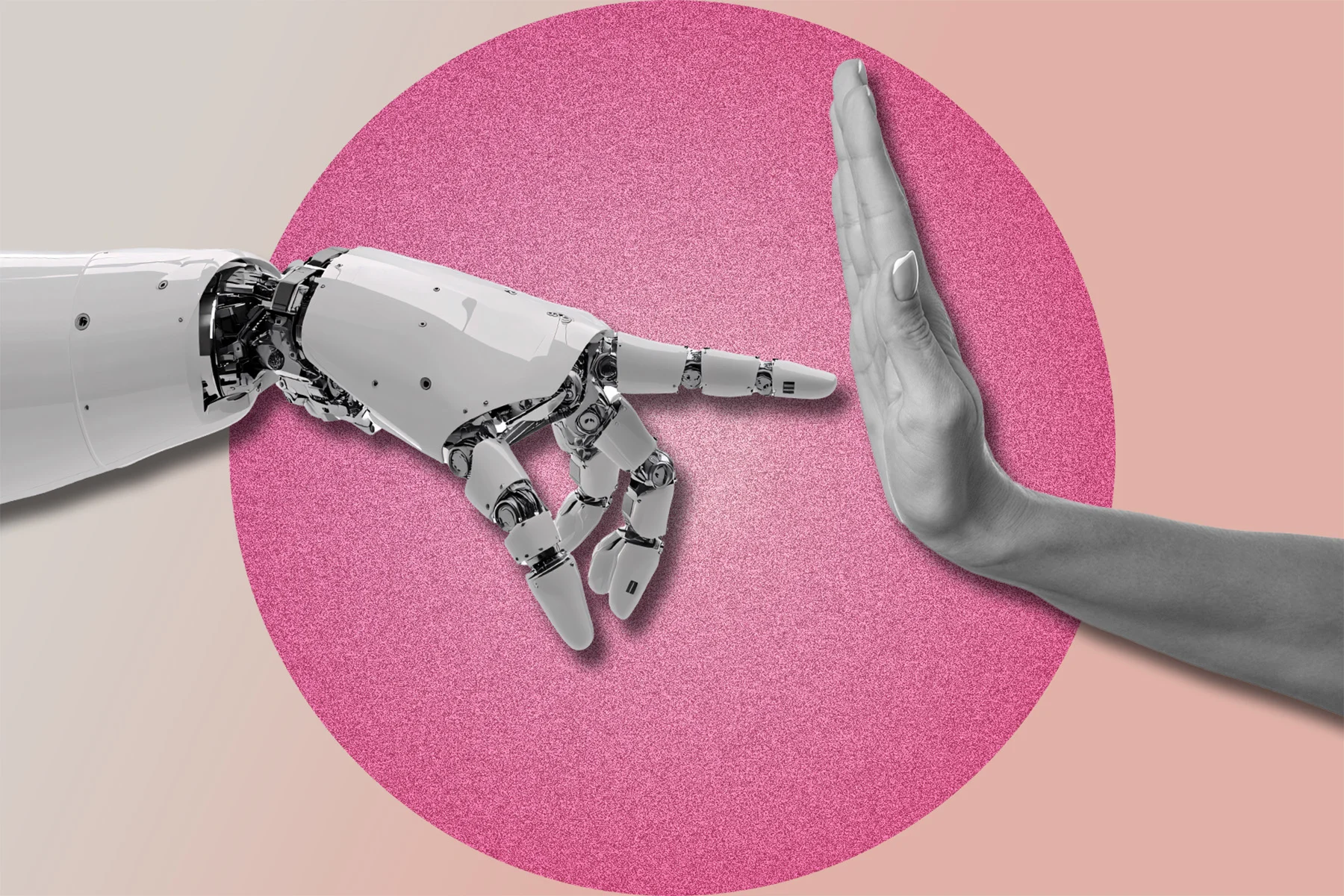
Women treat AI with greater skepticism than men do, study suggests
Women perceive artificial intelligence (AI) as riskier than men do, according to a study. Beatrice Magistro and colleagues hypothesized that women are both more exposed to risk from AI and are more averse ...

The AI Gender Gap: Here’s What It Will Take To Close It
Women are adopting generative AI technology at a significantly lower rate than men, creating an AI gender gap. What are the reasons behind it, and can it be closed?

How AI Is Fueling the Gender Pay Gap in Tech
A new Wharton study finds that too few women are working with emerging tech, and that exclusion is driving a growing divide in pay.

The 'AI gender gap' narrative is missing the full picture | Fortune
New research shows women leaders are shaping AI strategy, ethics, and oversight—even as concerns about adoption gaps persist.

Women in AI: Numbers Behind the Gender Gap in Tech
How is AI changing the game for women in 2026? From job shifts and personal life-hacks to the rise of female AI founders, explore the unique impact of women in tech today.

Why We Need More Women In The AI Revolution
Research suggests that women make up less than a third of AI professionals and only 18% of AI researchers globally.

“Women Don’t Need Rescuing”: Navigating the AI Gender Gap in an Industry That’s Obsessed | LBBOnline
Little Black Book, Is the AI gender gap a problem to be solved, a question of control or a strategic advantage? LBB’s Laura Swinton Gupta asks
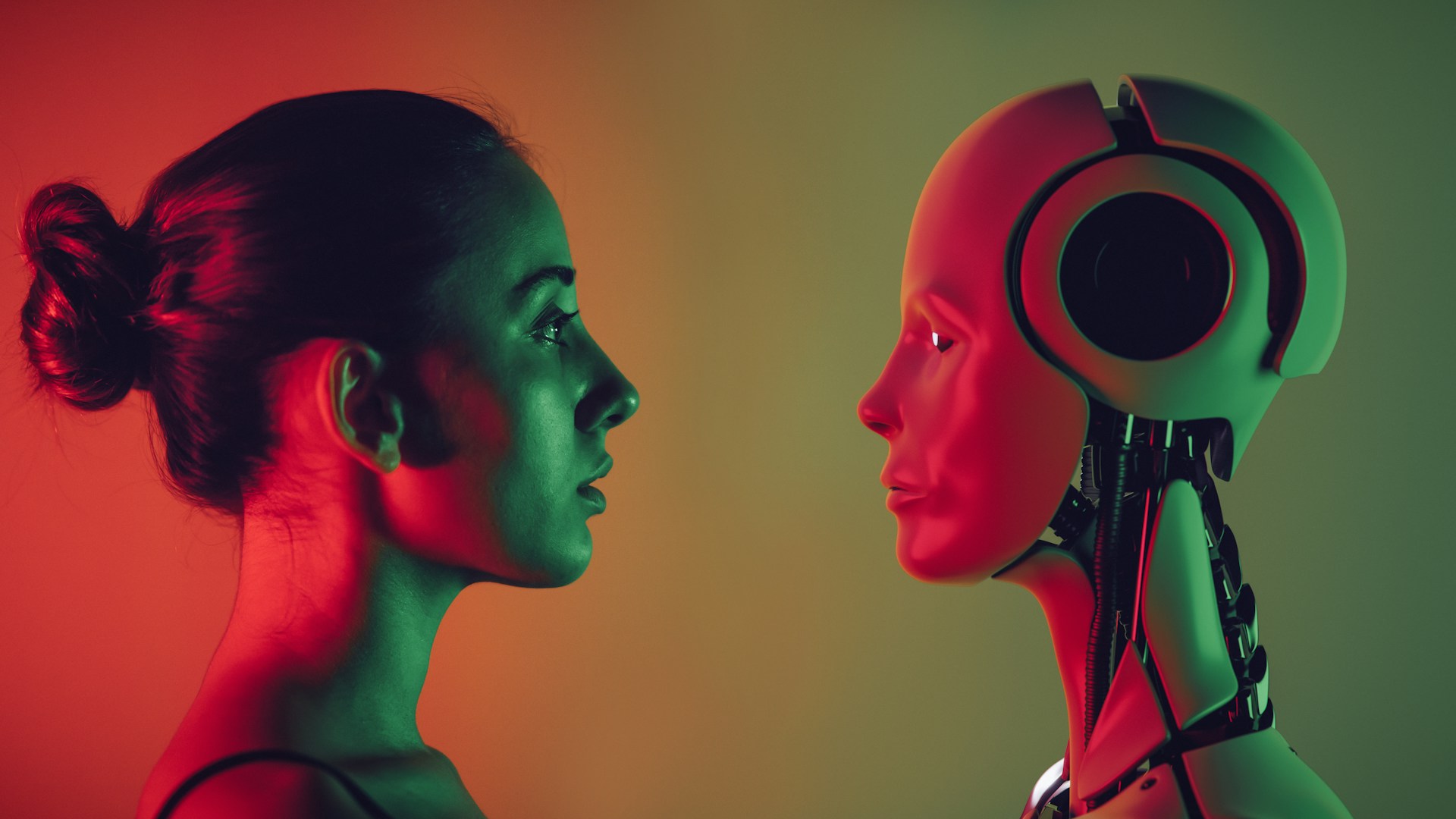
AI’s Gender Gap - Haas News | UC Berkeley Haas
Generative AI could boost productivity and reduce inequality, but women across the world are at risk of missing out. A sweeping analysis by Nick Otis, PhD 25, Assistant Professor Solène Delecourt, and colleagues from Stanford and Harvard found that women were about 20% less likely than men to use tools such as ChatGPT, Claude, and […]

Why we need more Women in AI
In an age where artificial intelligence (AI) shapes much of our daily lives, the conversation about diversity in this field has taken on a…

The Large Gender Gap in Who Uses AI
A recent study finds that AI usage tilts heavily toward men. Part of the reason: Women worried they might be penalized for using AI.

Women in tech and AI in Europe: Can the region close its gender gap?
AI could be the turning point that finally unlocks women’s full participation in tech in Europe.

Sam Altman told me AI should be 'an equalizing force in society.' That's why I'm working on the $1.6 trillion AI gender gap | Fortune
This won't happen by accident. It will happen because someone builds it that way.