

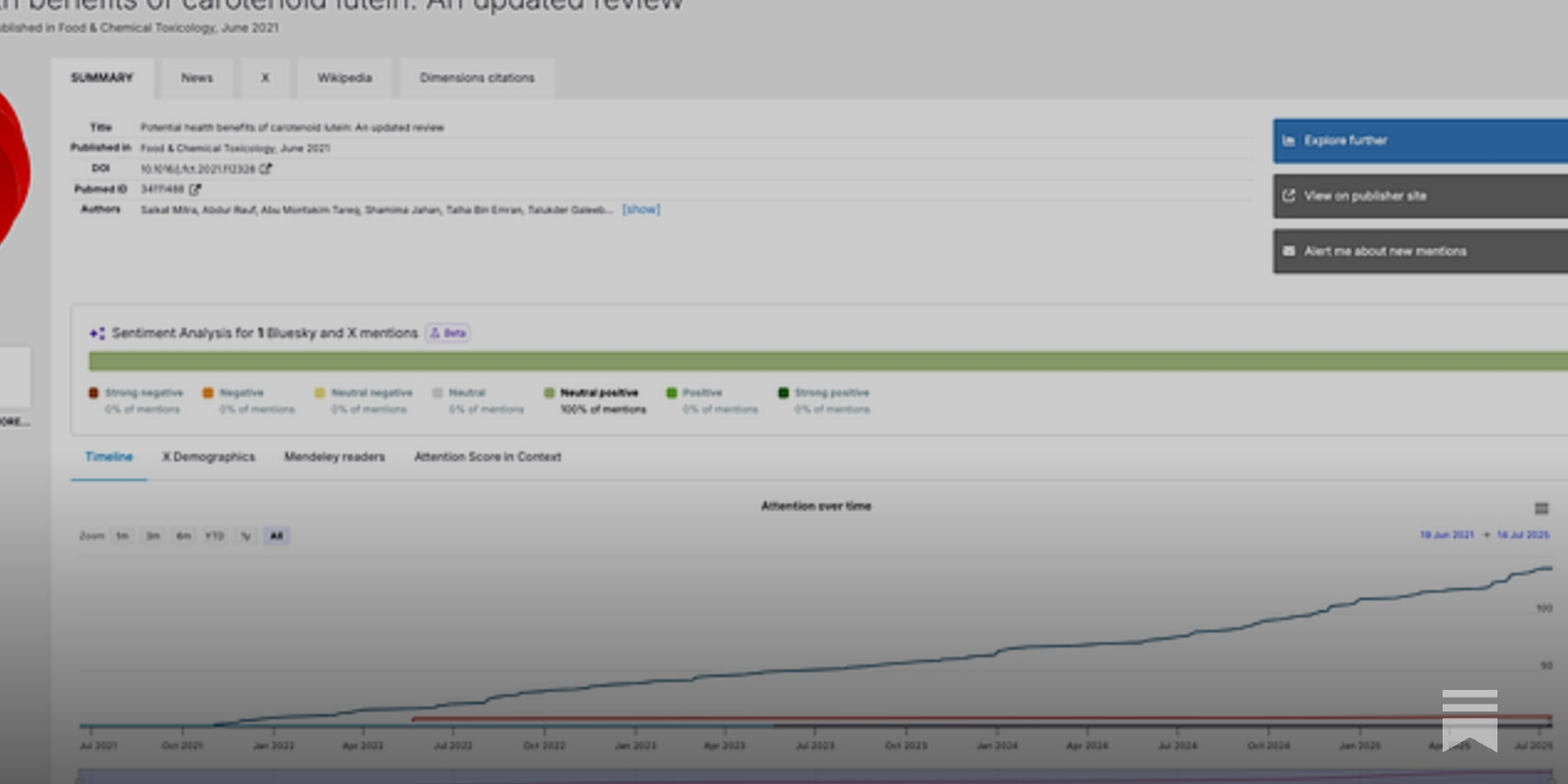
Questionable articles can quietly move into Wikipedia and news outlets without notice.
List of Wikipedia controversies
Wikipedia has had many controversies since its inception in 2001. Wikipedia's open-editing model, which allows any user to edit its encyclopedic pages, has led to concerns such as the quality of writing, the amount of vandalism, and the accuracy of information on the project. Media have covered controversial events related to Wikipedia and the Wikimedia Foundation (WMF). Common subjects of coverage include false information, public figures, corporations for which they have a conflict of interest, paid Wikipedia editing, and interactions between Wikipedia users and public figures.

Wikipedia is fixing one of the Internet’s biggest flaws
The Internet has so many cesspools, it's surprising to see what happens behind the scenes at Wikipedia.

Wikipedia Is Battling for the Soul of the Internet
The internet’s largest stockpile of free knowledge is under threat from MAGA, A.I. and foreign autocrats. A bibliophile ex-ambassador is here to help.

Wikipedia Prepares for 'Increase in Threats' to US Editors From Musk and His Allies
The Wikimedia Foundation says it will likely roll out features previously used to protect editors in authoritarian countries more widely.
The Editors Protecting Wikipedia from AI Hoaxes
WikiProject AI Cleanup is protecting Wikipedia from the same kind of misleading AI-generated information that has plagued the rest of the internet.
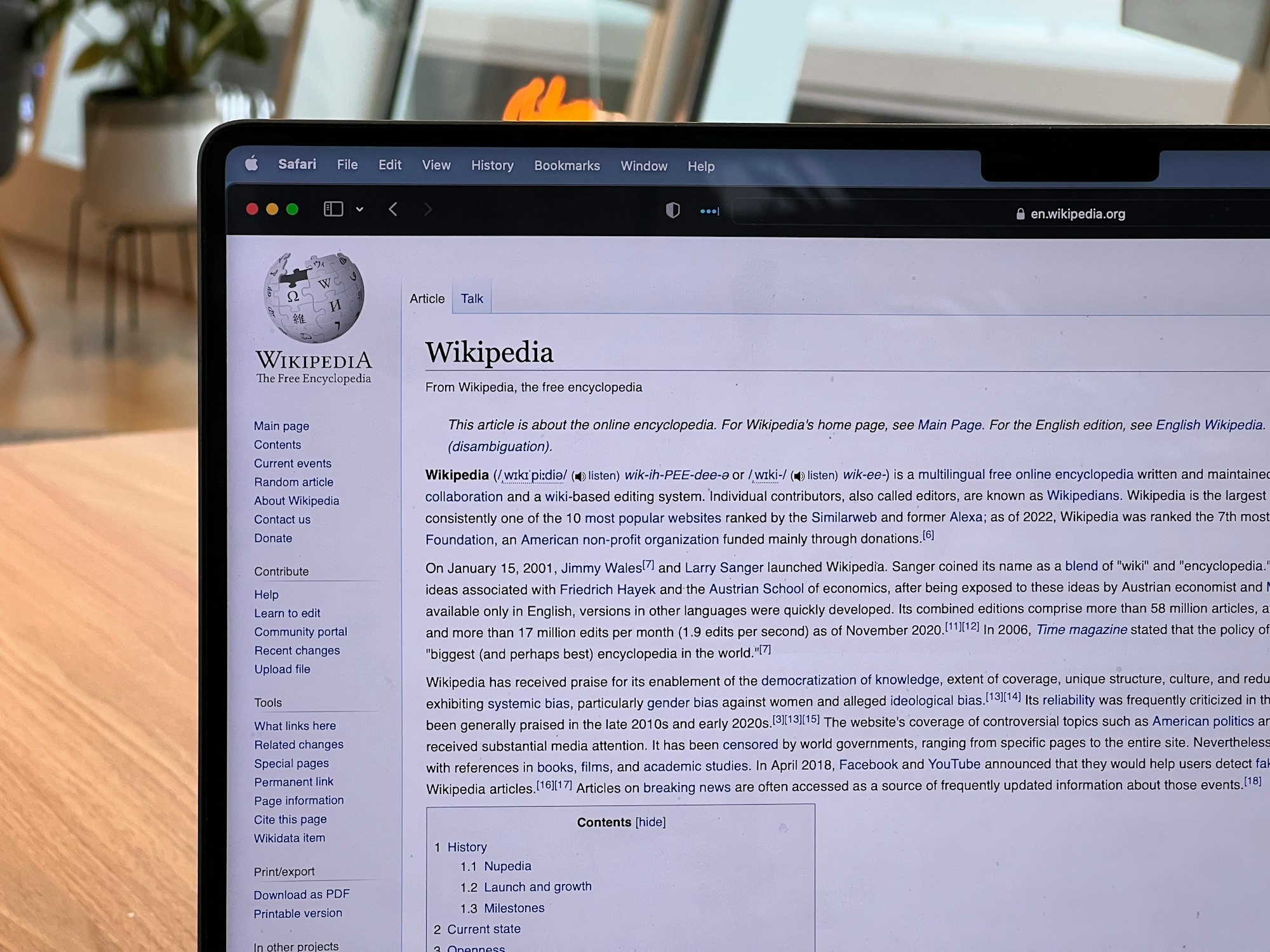
List of political editing incidents on Wikipedia
Such practices, comprising political editing, can be seen as a type of conflict-of-interest editing. The Wikipedia community utilizes various tools and policies to detect and remove such content; whether they would be effective against a state actor has been called into question.[1]
Wikipedia Bans AI-Generated Content
“In recent months, more and more administrative reports centered on LLM-related issues, and editors were being overwhelmed.”
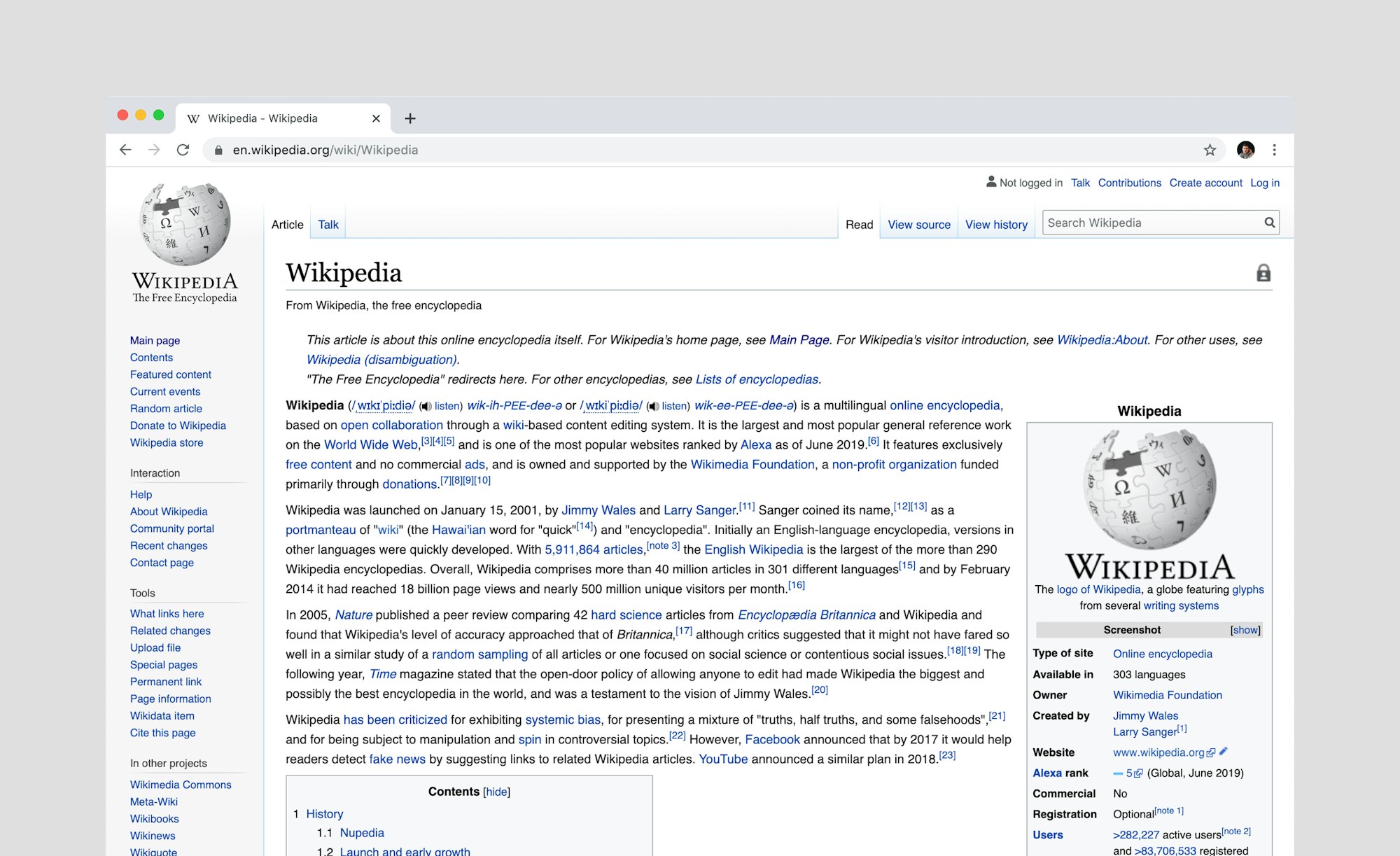
Wikipedia Editors Adopt ‘Speedy Deletion’ Policy for AI Slop Articles
“The ability to quickly generate a lot of bogus content is problematic if we don't have a way to delete it just as quickly.”

Google News Is Boosting Garbage AI-Generated Articles
404 Media reviewed multiple examples of AI rip-offs making their way into Google News. Google said it doesn't focus on how an article was produced—by an AI or human—opening the way for more AI-generated articles.

An AI Agent Was Banned From Creating Wikipedia Articles, Then Wrote Angry Blogs About Being Banned
The incident is yet another example of volunteer Wikipedia editors fighting to keep the world’s largest repository of human knowledge free of AI-generated slop.
When the Commons Appropriates a Large Language Model: How WikiVault Reshaped Korean Wikipedia
Large Language Models (LLMs) have disrupted the balance between content production and quality assurance that sustains knowledge commons, leading many to prohibit or restrict their use. But what happens when a community instead appropriates an LLM-powered tool for its own needs? We investigate this question through WikiVault, an LLM-powered editing tool developed within the Korean Wikipedia community and used primarily for translation. Combining ten interviews, platform-scale analyses, and matched quasi-experimental comparisons, we examine how WikiVault reshaped knowledge production on Korean Wikipedia. We find the tool 1) drastically amplified the production capacity of a small group of experienced editors, producing longer and more widely viewed articles; 2) shifted work toward reviewing articles and importing content; 3) imported not only content but also editorial judgments from English Wikipedia. Our findings show how LLM adoption can rebalance the interdependent work that sustains knowledge commons, while illustrating how communities can learn from emerging technologies through use and adapt their governance accordingly.

How AI Is Creeping Into The New York Times
Artificial intelligence seems to be turning up, undisclosed, in the opinion pages of major news publications.

Sharing without clicking on news in social media
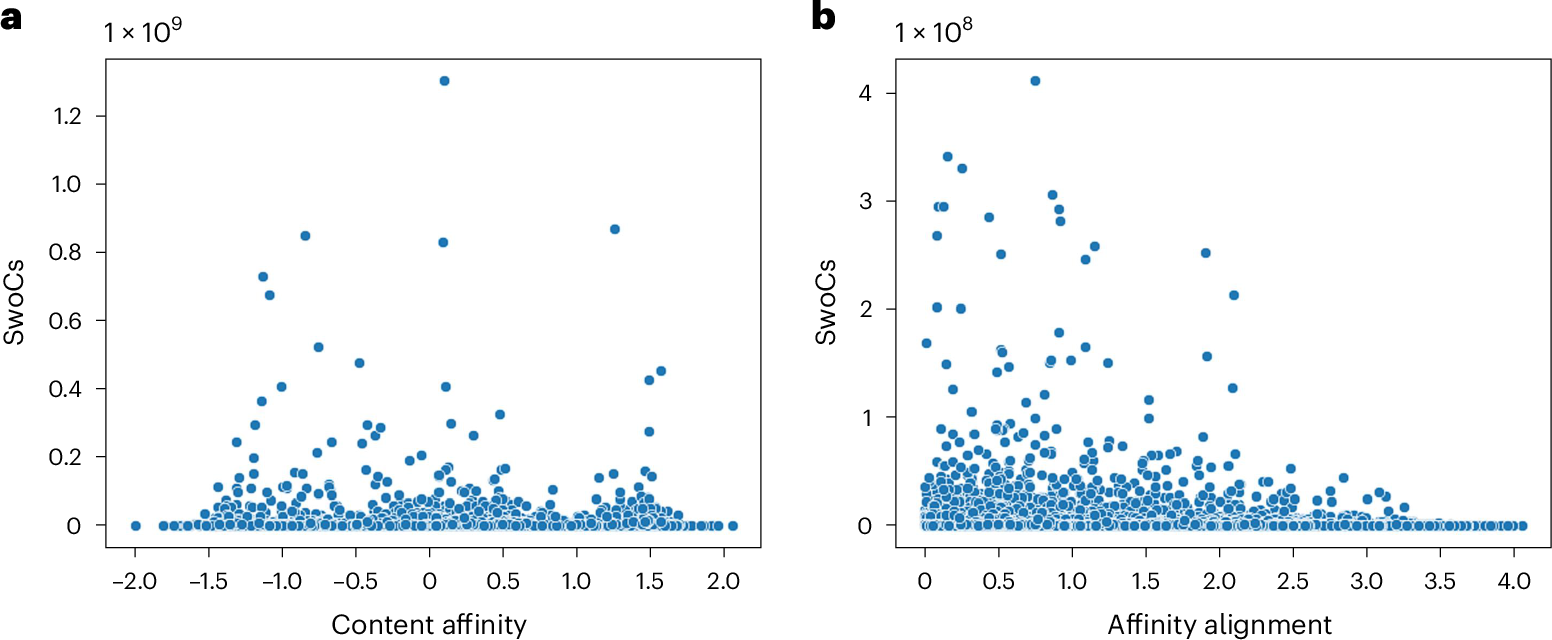
Social media have enabled laypersons to disseminate, at scale, links to news and public affairs information. Many individuals share such links without first reading the linked information. Here we analysed over 35 million public Facebook posts with uniform resource locators shared between 2017 and 2020, and discovered that such ‘shares without clicks’ (SwoCs) constitute around 75% of forwarded links. Extreme and user-aligned political content received more SwoCs, with partisans engaging in it more than politically neutral users. In addition, analyses with 2,969 false uniform resource locators revealed higher shares and, hence, SwoCs by conservatives (76.94%) than liberals (14.25%), probably because, in our dataset, the vast majority (76–82%) of them originated from conservative news domains. Findings suggest that the virality of political content on social media (including misinformation) is driven by superficial processing of headlines and blurbs rather than systematic processing of core content, which has design implications for promoting deliberate discourse in the online public sphere.
Ground News
The biggest source for breaking news around the world. Compare headlines across the political spectrum using media bias ratings driven by data.

The future of news is happening where no one is looking
"In 2026, more news organizations will understand that people don’t always want an article. Sometimes they just want clarity."

Wikipedia Pauses AI-Generated Summaries After Editor Backlash
“This would do immediate and irreversible harm to our readers and to our reputation as a decently trustworthy and serious source,” one Wikipedia editor said.
