

Everything you do online carries a carbon footprint and you probably don’t know how big it is. AI is making both problems worse.
AI’s Carbon Footprint — Here’s How Much Carbon Everyday Internet Tasks Emit
Internet activity produces carbon emissions and AI is one of the worst offenders. Here’s how much everyday internet activities costs the environment.

We did the math on AI’s energy footprint. Here’s the story you haven’t heard.
The emissions from individual AI text, image, and video queries seem small—until you add up what the industry isn’t tracking and consider where it’s heading next.

The Global Energy and Emissions Footprint of AI Diffusion
The Impact of AI on Global Energy, Emissions, Water Use, and More
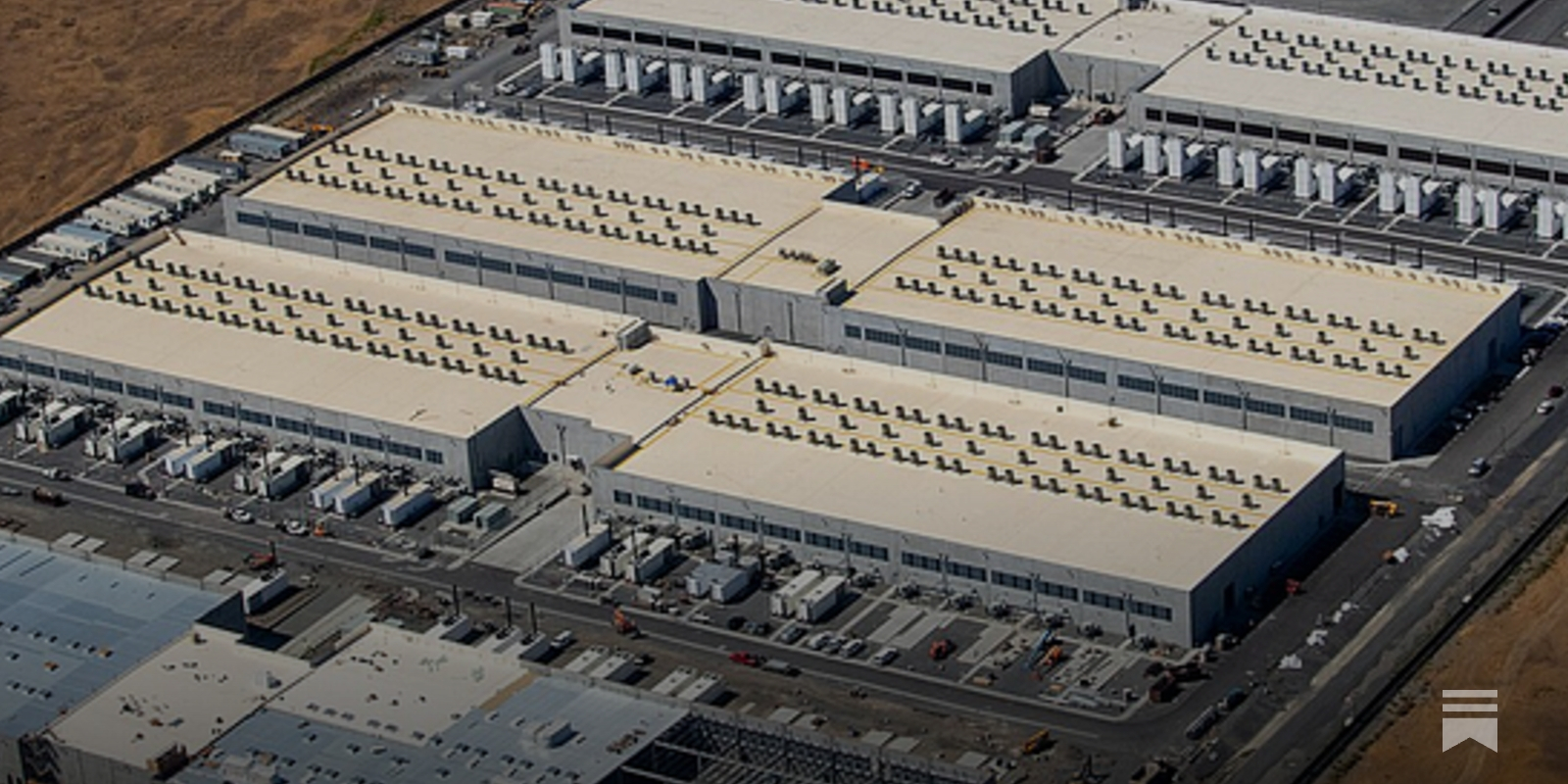
How much of a problem is AI’s water use?
AI’s water footprint is growing, but location and cooling technology make a difference.

AI’s climate impact is much smaller than many feared
New findings challenge the widespread belief that AI is an environmental villain. By analyzing U.S. economic data and AI usage across industries, researchers discovered that AI’s energy consumption—while significant locally—barely registers at national or global scales. Even more surprising, AI could help accelerate green technologies rather than hinder them.

AI is eating website traffic, websites are blocking AI – and reliable information is getting harder to find
AI has broken the economic bargain behind the web, and everybody is losing.

Abundance vs. Scarcity: Who Controls the Internet After AI?
AI is straining the open web, forcing a choice between abundance with redistribution and scarcity built on paywalls, writes Paul Keller.

The AI data center e-waste problem is huge — and getting bigger
It’s even bigger than previously thought.

Environmental Cost of Artificial Intelligence: Carbon, Water, and Land Footprints
AI’s rapid growth drives huge energy, water, and land use, raising environmental and equity challenges across its global infrastructure.
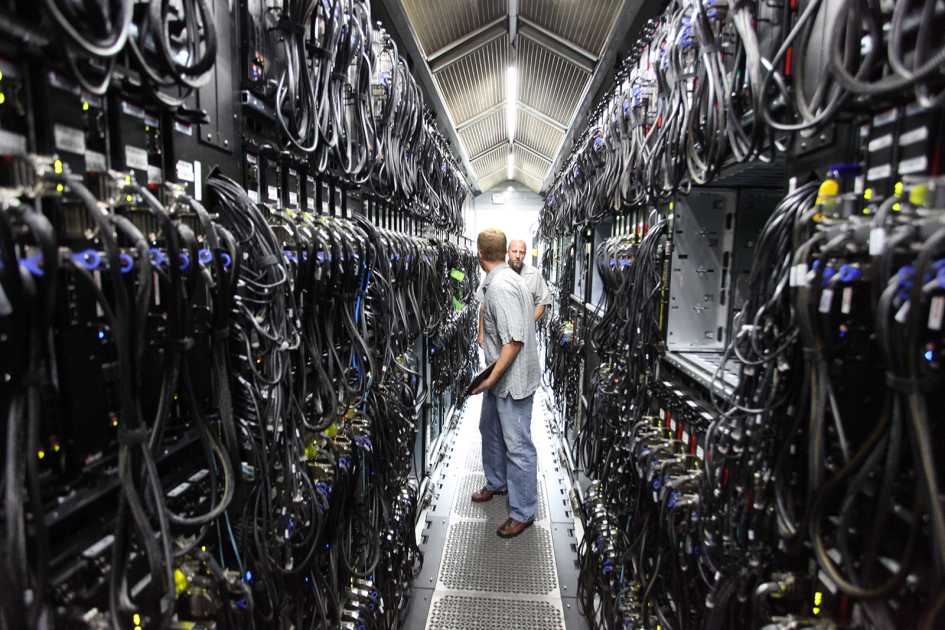
Environmental Cost of Artificial Intelligence: Carbon, Water, and Land Footprints
AI’s rapid growth drives huge energy, water, and land use, raising environmental and equity challenges across its global infrastructure.
AI Transparency in Practice
AI Transparency in Practice. Builders on what works — and what doesn't. Mozilla’s research on AI transparency, with practical advice from Thoughtworks.

Data Centre Silence
How EU leaders sided with Big Tech over the public’s right to know about the true scale and environmental impact of the AI build-out, forcing a legal challenge to seek disclosure

AI E-Waste May be 40 to 60 Times What Has Been Estimated, New Analysis Finds — Basel Action Network
First-of-its-kind full-infrastructure analysis by Basel Action Network projects 395 to 617 million tonnes of AI-driven electronic equipment could be retired between 2025 and 2050. If packed into shipping containers and placed end to end, they would circle the Earth about six times.

AI’s energy usage is less than previously thought | Waterloo News
Contrary to popular belief, new research finds that the use of artificial intelligence has a minimal effect on global greenhouse gas emissions and may actually benefit the environment and the

Bridging the gap: inequalities that divide those who can and cannot create sustainable outcomes with AI
The widespread use of AI technologies impacts individuals, organisations, and societies in ways that warrant more comprehensive investigation. Inequalities in benefiting from AI advancements may le...

From Chile to the Philippines, meet the people pushing back on AI
Individuals and communities are resisting the demands and practices of Big Tech's AI infrastructure — such as data centers and digital labor — due to their environmental and social costs.
