


Software Heritage est une archive ouverte pour les codes source des logiciels. Il s’agit d’une initiative à but non lucratif impliquant plusieurs parties prenantes, lancée en 2016 par l'Inria, et soutenue par l'Unesco.
Home Page - Software Heritage
preserves software source code for present and future generations
Archivio Grafica Italiana
The first systematic digital archive dedicated to the Italian graphic design heritage. A growing overview aimed to spread and promote the culture of quality that distinguishes the Italian design tradition.

The Vintage Technology Digital Archive
Algorave - permanent live coding archive
A permanent, decentralized archive for live coding music sets. Publish, search, and preserve algorave performances on the AT Protocol network.

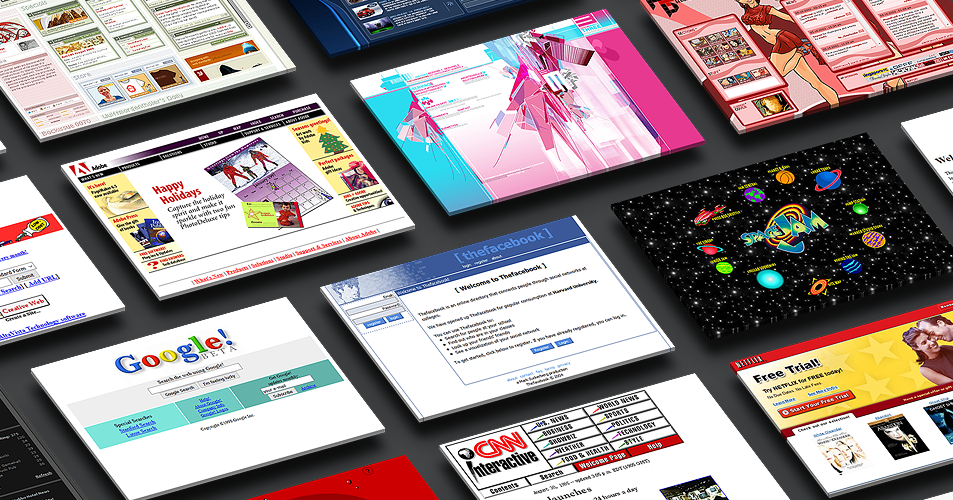
Web Design Museum – Discover old websites, apps, software & Flash Games
Web Design Museum exhibits thousands of screenshots and videos of websites, apps, software, and Flash games from the 1990s to the late 2000s.
Preservation Initiatives - Canadian Association of Research Libraries
DPC RAM Benchmarking Project CARL’s Digital Preservation Working Group (DPWG) is facilitating a national benchmarking exercise using the Digital Preservation Coalition’s Rapid Assessment Model (DPC RAM). This project fulfills one of the main recommendations from […]

Learn about Lore: next-generation open source version control
Maintained by Epic Games, Lore is designed for unprecedented scalability of both data and teams. It’s optimized for projects that combine code with large binary assets.
History of free and open-source software
The history of free and open-source software begins at the advent of computer software in the early half of the 20th century. In the 1950s and 1960s, computer operating software and compilers were delivered as a part of hardware purchases without separate fees. At the time, source code—the human-readable form of software—was generally distributed with the software, providing the ability to fix bugs or add new functions. Universities were early adopters of computing technology. Many of the modifications developed by universities were openly shared, in keeping with the academic principles of sharing knowledge, and organizations sprung up to facilitate sharing.

The Comprehensive Digital Preservation Platform
Create, curate, and collaborate on living archives. Start with a FREE GB.

Artifacts: versioned storage that speaks Git
Give your agents, developers, and automations a home for code and data. We’ve just launched Artifacts: Git-compatible versioned storage built for agents. Create tens of millions of repos, fork from any remote, and hand off a URL to any Git client.
f0lkl0r3.dev — Computer History Museum Oral Histories
The people who built the future, in their own words. Oral history interviews from the Computer History Museum, enriched with AI-generated context, visuals, and connections.
Copyrightability of LLM-generated code: Can we license “vibe code” into Free Software? - FSFE
The use of large language models (“LLMs”) has exploded in recent years, including in the generation of source code. But even as their usage gains popularit...

Information archivée dans le Web