

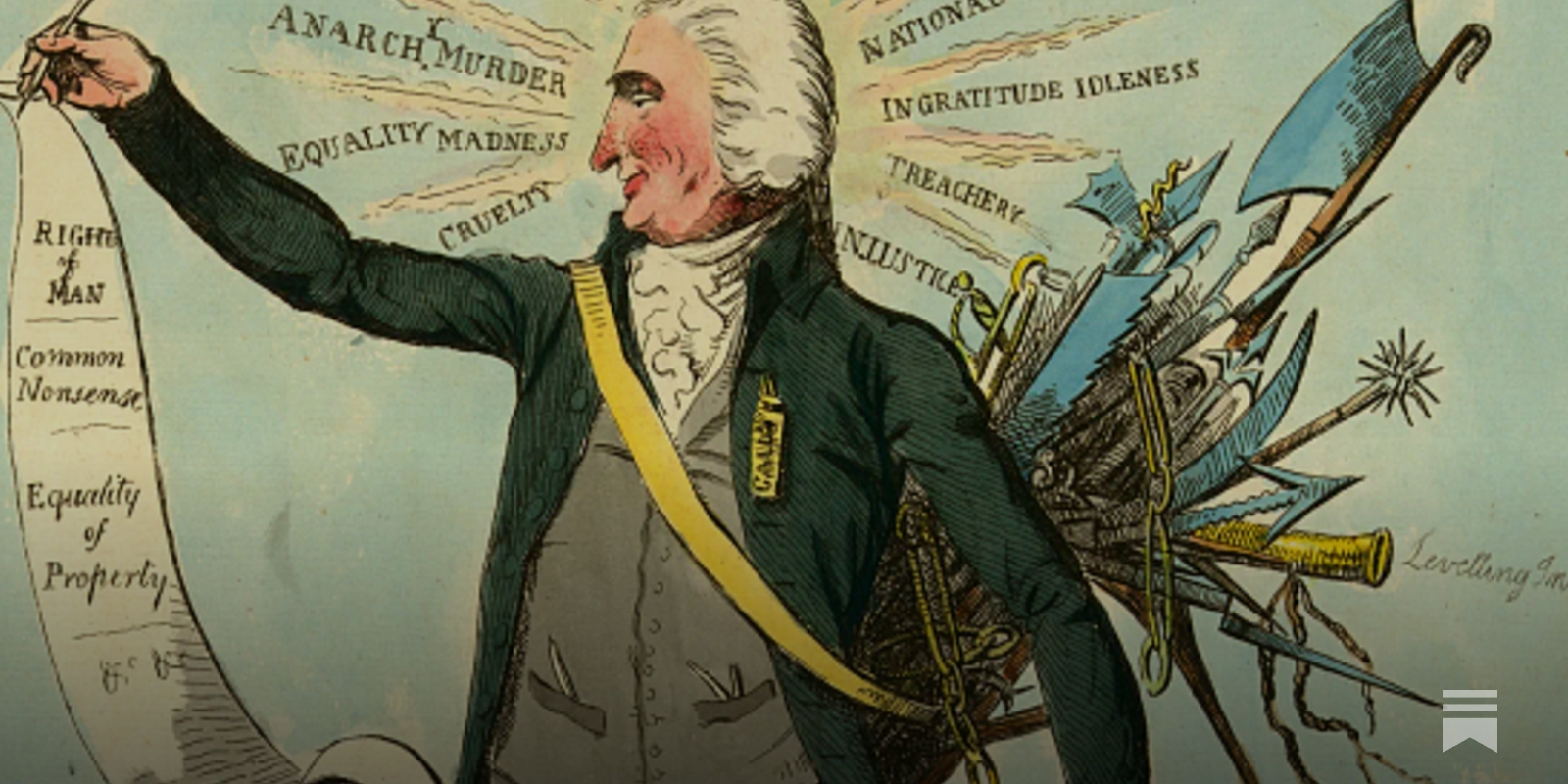
Amidst fears of dystopia, a blueprint for how we use AI to reinvent the way we govern ourselves
3: Consulting the Record: AI Consistently Fails the Public - AI Now Institute
Amid the excitement over AI’s (speculative, hypothetical) potential, we have lost sight of the sobering reality of its present and recent past. AI is already intermediating critical social infrastructures, materially reshaping our institutions in ways that ratchet up inequality and concentrate power in the hands of the already powerful. It is consistently deployed in ways […]
Personal Superintelligence
Explore Meta's vision of personal superintelligence, where AI empowers individuals to achieve their goals, create, connect, and lead fulfilling lives. Insights from Mark Zuckerberg on the future of AI and human empowerment.
The Age of Wonders and Terrors
Twenty years ago, when the idea of AI taking over the world in our lifetimes still struck most of us as the unconstrained fantasy of those who knew too much science fiction and too little science, …

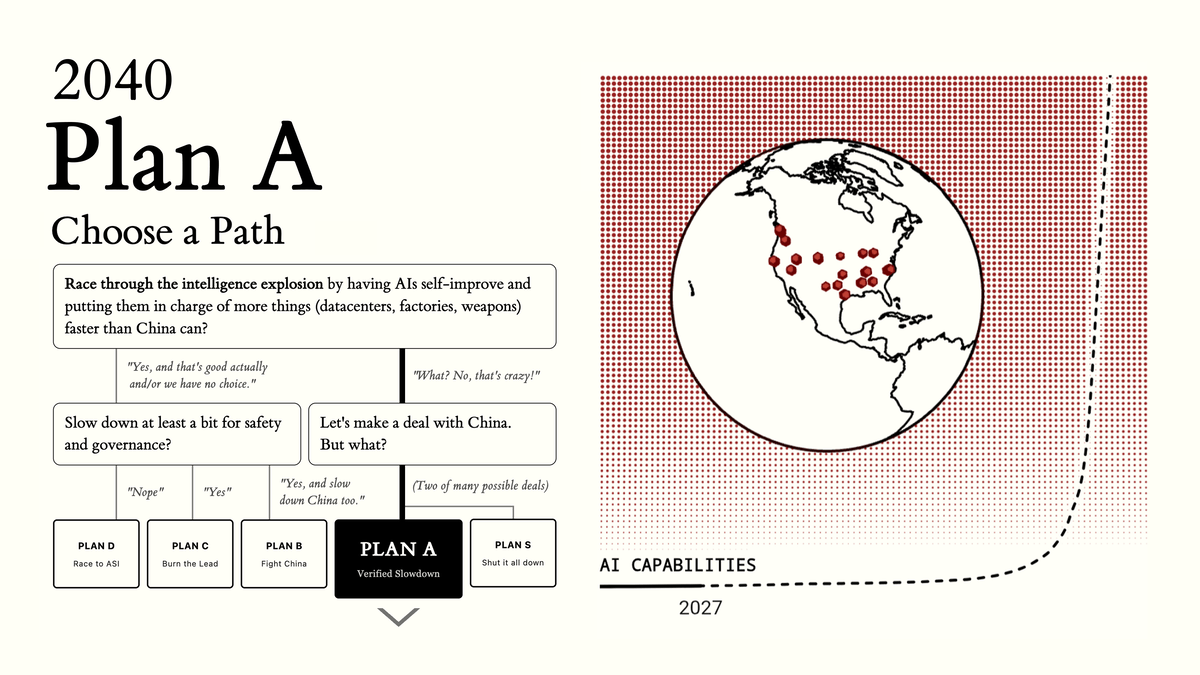
AI 2040: Plan A
A detailed forecast and recommendation for how the US, China and the rest of the world should navigate superintelligence.
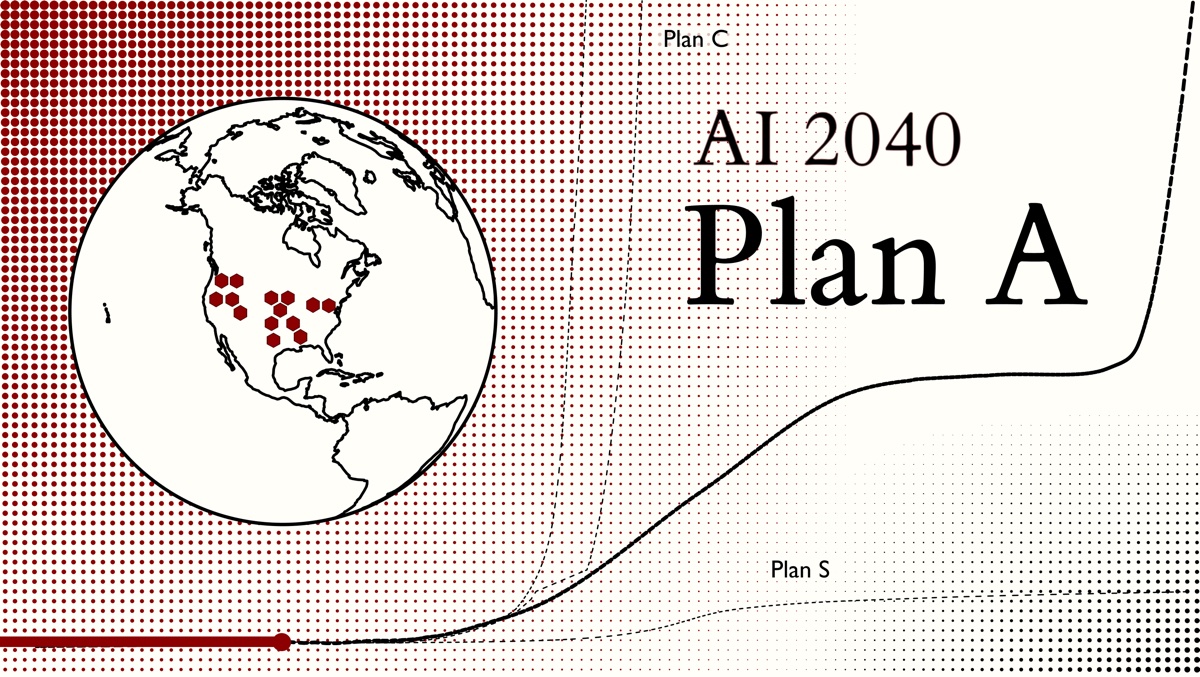
AI 2040: Plan A
A detailed forecast and recommendation for how the US, China and the rest of the world should navigate superintelligence.
AI FOR EPISTEMICS & COORDINATION
Civilization and technology have radically improved the human condition. Nonetheless, the world sometimes goes in directions which essentially nobody would prefer — e.g., nuclear arms races, unexpected financial crashes, predatory marketing, or ubiquitous political misinformation.
AI.Gov | President Trump's AI Strategy and Action Plan
Explore President Trump’s AI initiatives focused on innovation, infrastructure, international engagement, and youth education in artificial intelligence.
Superintelligence: Paths, Dangers, Strategies
Superintelligence: Paths, Dangers, Strategies is a 2014 book by the philosopher Nick Bostrom. It explores how superintelligence could be created and what its features and motivations might be. It argues that superintelligence, if created, would be difficult to control, and that it could take over the world in order to accomplish its goals. The book also presents strategies to help make superintelligences whose goals benefit humanity. It was particularly influential for raising concerns about existential risk from artificial intelligence.

The Impact of Artificial Intelligence on Human Thought
This research paper examines, from a multidimensional perspective (cognitive, social, ethical, and philosophical), how AI is transforming human thought. It highlights a cognitive offloading effect: the externalization of mental functions to AI can reduce intellectual engagement and weaken critical thinking. On the social level, algorithmic personalization creates filter bubbles that limit the diversity of opinions and can lead to the homogenization of thought and polarization. This research also describes the mechanisms of algorithmic manipulation (exploitation of cognitive biases, automated disinformation, etc.) that amplify AI's power of influence. Finally, the question of potential artificial consciousness is discussed, along with its ethical implications. The report as a whole underscores the risks that AI poses to human intellectual autonomy and creativity, while proposing avenues (education, transparency, governance) to align AI development with the interests of humanity.

Import AI 456: RSI and economic growth; radical optionality for AI regulation; and a neural computer
What laws does superintelligence demand?

Michael I. Jordan on AI: “Superintelligence is science fiction”
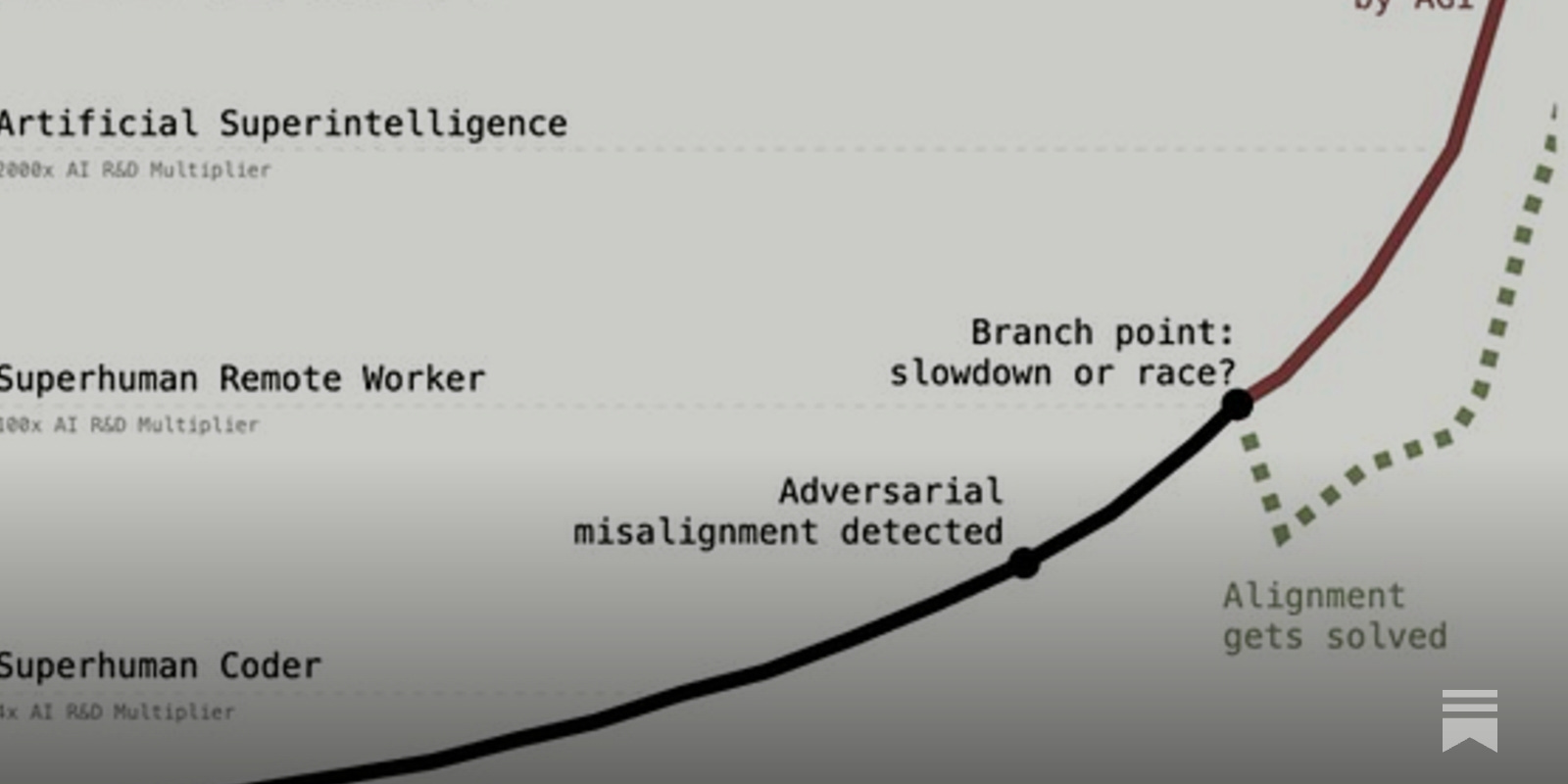
Superintelligence is a Fairy Tale. But Chasing It Can Still Cause Harm. - Cal Newport
Yesterday, multiple Anthropic employees casually announced online that they thought the types of AI they’re building could kill billions of people. Not in some distant ... Read more
‘Think Everybody Dead’: How the Threat of AI Is Fueling a New Political Alliance
A billionaire-backed movement from Silicon Valley and populists like Bernie Sanders are eager to stop an AI disaster — but can they overcome their mutual distrust and work together?
Jacob Coxon Warns of Human Extinction and Triggers a Preference Cascade
CEOs of major AI labs, and employees of major AI labs, including OpenAI and Anthropic, often say they plan to build superintelligence soon, as in within a few years create AIs that are superior to humans at essentially all cognitive tasks.

As an AI-adjacent network neuroscience person who has also studied bits of media structure and political economy, I strongly agree with @karlbode.com: The biggest threat, by far, isn’t “superintelligence will soon kill us all!” but instead “information control by oligarchs will crush our society”

Karl Bode
one recurring theme in the coverage of this AI Anthropic doomsday newscycle is nobody actually has any REAL ideas of what to do just a lot of ambiguous hand-waving in a country that's too corrupt to have working regulators, by a press that doesn't realize that's a central pillar of the conversation
