Why Apps Are Designed Against You
The Psychology of a Billion-Dollar Enterprise App: Why Is Slack So Habit-Forming?
Slack isn’t just another office collaboration app. The company has been called, “the fastest-growing workplace software ever.” Recent press…

AI, I tried to love you – Writings and rehearsals by Nathan Schneider
Among my peers who study the cultures and economies surrounding technology, I often find myself more tech-positive than most. On the whole I like computers, like the internet, and like in general the emergent human creativity that these things have enabled and revealed. A source of my appreciation is that I expend a lot of effort on the practice of “slow computing,” which is to say, choosing tools and technical communities that I can feel in right relationship with. I tend to approach new socio-technologies (like gig economies, blockchains, and social media) not from a perspective of why is this so bad? so much as asking how could we do this right?
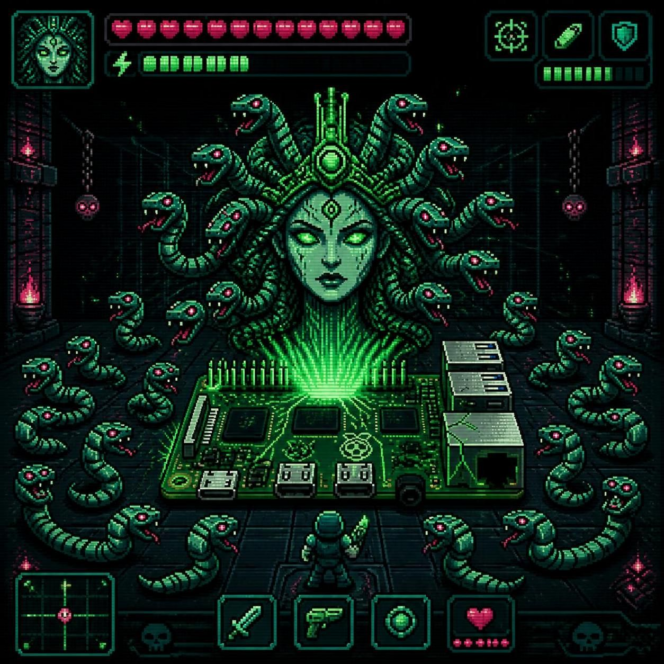
Scaling Engineering Teams: Lessons from Google, Facebook, and Netflix
After spending over a decade in engineering leadership roles at some of the world’s most chaotic innovation factories—Google, Facebook, and Netflix—I’ve learned one universal truth: scaling e…

Sustainable Indie Software — Helftone
We have seen a large shift in the app economy over the past 7 years which has had a huge impact on indie software. In many ways, we have regressed to state which is simply unsustainable in the long term. If you only look at the highly publicised successes, you might assume independent developers are rolling in cash. Do not be fooled, the situation on the ground, especially on iOS, is actually very different – many indies are struggling to make a living.
Pure and impure software engineering
Why do solo game developers tend to get into fights with big tech engineers? Why do high-profile external hires to large companies often fizzle out? Why is AI-assisted development amazing for some engineers and completely useless for others?

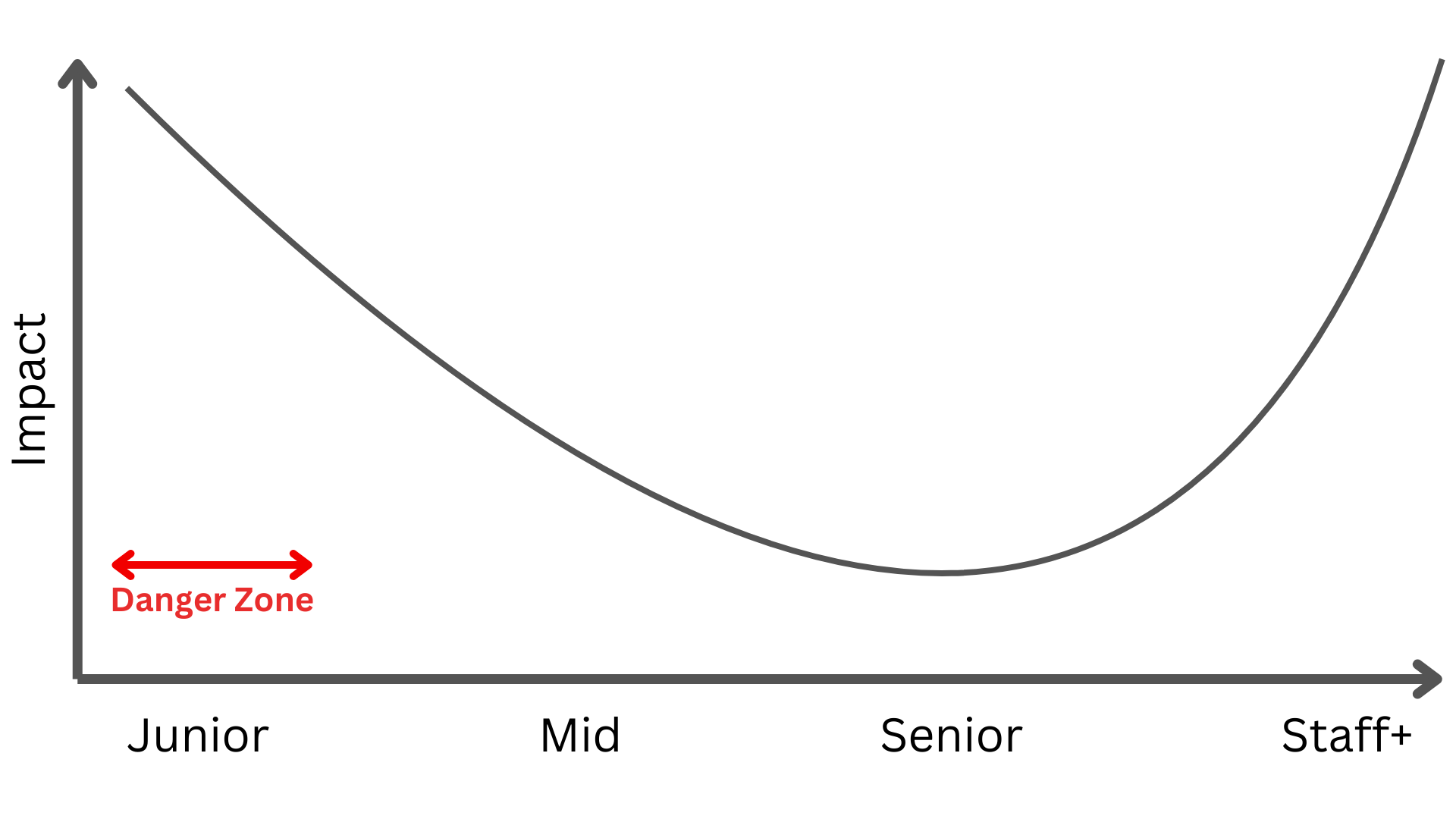
The LLM Curve of Impact on Software Engineers
In this article, I share my personal mental model of how LLMs affect software engineers at different levels, and why this leads to both excitement and scepticism.
Your smartphone is making you stupid, antisocial and unhealthy. So why can’t you put it down?
A decade ago, smart devices promised to change the way we think and interact, and they have – but not by making us smarter. Eric Andrew-Gee explores the growing body of scientific evidence that digital distraction is damaging our minds

Why Native Apps Really are Doomed: Native Apps are Doomed pt 2
I recently wrote an article called “Native Apps are Doomed.” I was surprised at how many people were defending native apps. In all honesty…

Common Fabric
A social computing lab. We are building a medium for software that revolves around people, not apps.
Alex Moore on Open Web Advocacy and Why "Innovation Doesn't Come from the Gatekeepers"
Stack Overflow Developer Survey 2026
More than 30K technologists from 169 countries have shared their thoughts with us, and now it’s time to share everything we’ve learned with you. So let’s dive into this year’s Annual Developer Survey.