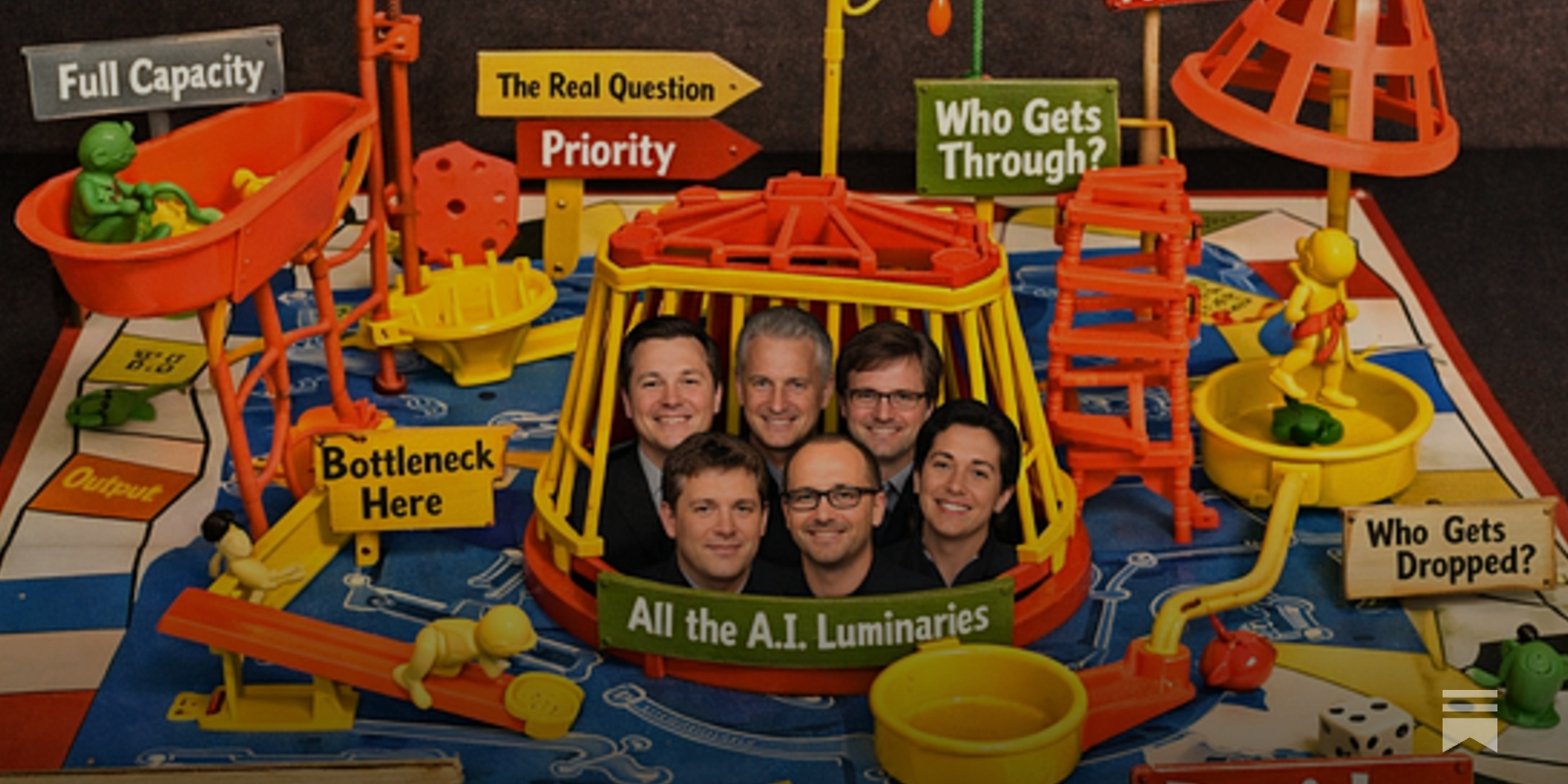
The disregard of tradeoffs and opportunity costs play out in the same pattern again and again in our lives. Every decision we make carries an opportunity cost. If we don’t budget wisely, we end up wasting time and energy on things that don’t matter. Here’s how to do it right.
Complexity and biases
We examine experimentally how complexity affects decision-making, when individuals choose among different products with varying benefits and costs. We find that complexity in costs leads to choosing a high-benefit product, with high costs and overall lower payoffs. In contrast, when complexity is in the benefits of the product, we cannot reject the hypothesis of random mistakes. We also examine the role of heterogeneous complexity. We find that individuals still (mistakenly) choose the high-benefit but costly product, even if cheaper and simple products are available. Our results suggest that salience is a main driver of choices under different forms of complexity.

Buy wisely
Whenever I buy things I try to prioritize cost per use. Sometimes I consider other priorities such as cost per smile, cost per thrill, cost per externality, ...
Mental Budgeting and Consumer Decisions
Abstract. Consumers often set budgets for categories of expenses (e.g., entertainment) and track expenses against their budget. Because budgets cannot perf

How to Price Effectively: A Guide for Managers and Entr…
Pricing decisions are among the most important and impa…

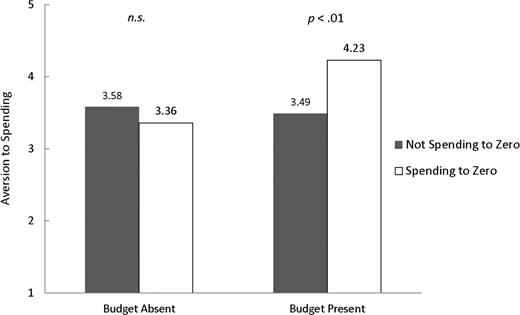
The Bottom Dollar Effect: The Influence of Spending to Zero on Pain of Payment and Satisfaction
Abstract. Spending that exhausts a budget is shown to decrease satisfaction with purchased products relative to spending when resources remain in the budge
Exocapitalism: economies with absolutely no limits
There is a touch of destiny with this one. We have real…

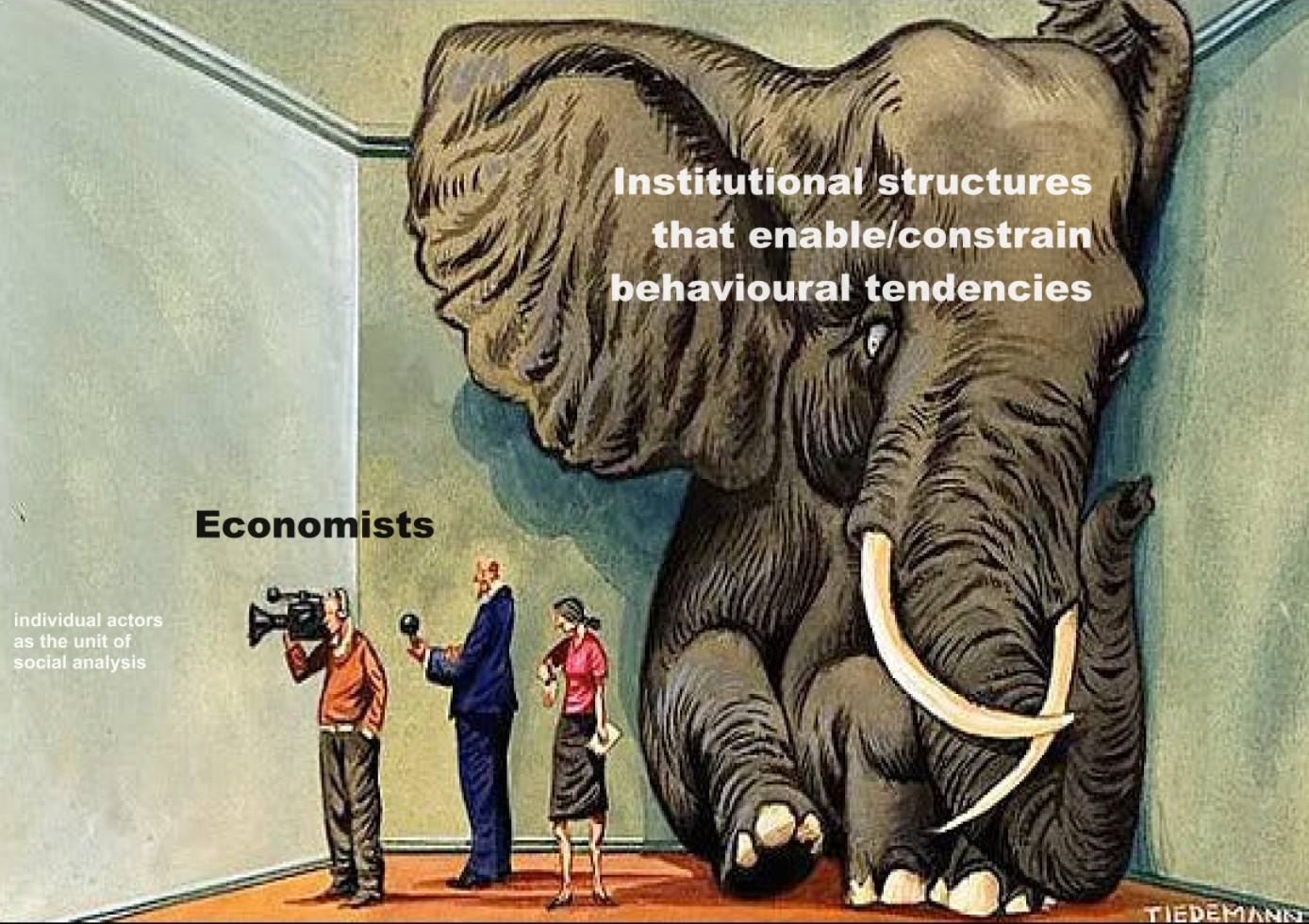
“Objective Economics” Isn’t.
Some time ago, in a Facebook argument, I encountered someone who repeated the old “exchange of unequals” argument (i.e., that people never exchange equivalents because each party values what they got more than what they traded for it). I responded that this argument confuses exchange value with use value and that, regardless of subjective valuation,...
Pain of Paying? — A Metaphor Gone Literal: Evidence from Neural and Behavioral Science
How do individuals consider the price of a good when making purchase decisions? Standard economic theories assume an analytical process: Individuals consider th

Reflect nature’s ‘true value’ in economic policies and decisions, UN chief urges
Nations must start weighing up the cost of economic profit against damage to the environment if they are to have a chance at a sustainable future, UN Secretary-General António Guterres said on Tuesday.

Tightwads and spendthrifts: An interdisciplinary review
Consumers rely on a “pain of paying” to help deter their spending. While this is beneficial for some consumers, others experience levels of pain that create problems. “Tightwads” experience too much pain when considering spending and therefore spend less than they would ideally like to spend. By contrast, “spendthrifts” experience too little pain and therefore spend more than they would ideally like to spend. Neither are happy with how they handle money. In the decade since the tightwad‐spendthrift construct was introduced, much has been learned about what it is and is not (e.g., frugality, greed), what contextual factors are likely to reduce its importance, how it plays a role within romantic relationships, and when it might first emerge in childhood. This paper reviews the wide range of interdisciplinary research relevant to the tightwad‐spendthrift construct and proposes several directions for new research.

The Profit Paradox
Why efficiency is dangerous and slowing down makes life better | Psyche Ideas
The urge to do everything faster and better is risky. Far wiser to do what’s good enough for the range of possible futures

The Last Gasps of the Rent Seeking Class
Over the past fifty years, the U.S. economy built a giant rent-extraction layer on top of human limitations: things take time, patience runs out, brand familiarity substitutes for diligence, and most people are willing to accept a bad price to avoid more clicks. Trillions of dollars of enterprise value depended on those constraints persisting. – Citrini Research
Bridging on a budget
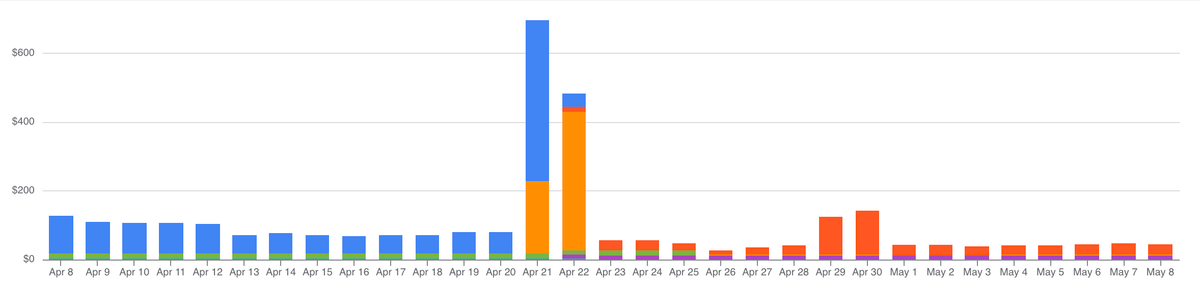
Over the last few months, instead of adding new features to Bridgy Fed or Bounce, I’ve been focusing on cost cutting. It’s not fun, exactly. I’d rather be building new things! But we’re a non-profit, surviving on grants and individual donations from people who don’
The AI Buildout and the Material Trap
Why Strategic Necessity, Physical Bottlenecks, and Unsettled Economics Are Forcing Capital into a Constrained System