

Device Neutrality is the policy concept to regulate monopoly over devices and re-establish end-user control over their digital equipment. The Digital Marke...
Device Neutrality - FSFE
Although digital devices are ubiquitous today, the number of devices on which users cannot run Free Software is exponentially increasing. The consequence i...
Reclaim Control | over your technology, your devices, your data, your digital life.
You have the right to control your data, devices, and services. We coordinate, develop and foster communities of Reclaimers who want digital independence. Together, let's reclaim the right to a technical future of data sovereignty, digital autonomy, responsible governance, and collective care online for all.
From Brussels Template to UK Tailoring: How the DMCCA Is (Re)writing the Rules for Big Tech - The Platform Law Blog
By Dr. Konstantina Bania The UK has built a “rival” to the EU’s Digital Markets Act – and it is now starting to use it. Under the Digital Markets, Competition and Consumers Act (DMCCA), the Competition and Markets Authority (CMA) is moving from abstract principles to concrete, platform‑specific rules for some of the most powerful […]

Sovereignty and Landscape | Simon Wardley | 15 comments
X : What is digital sovereignty? Me : I was asked that question by some friends within Government at the beginning of this month. I know some have been working on the idea, which is very encouraging, but I gave my tuppence worth of a definition. "Digital sovereignty is a country's ability to make its own decisions about the technology it uses, the data it creates, and how digital systems work in service of its people rather than being forced to accept choices made by other entities. This requires continuous situational awareness of the economic and technological landscape to anticipate changes, maintain strategic advantage, and shape international digital norms. Digital sovereignty is achieved through strategic control over critical digital assets and relationships, extending from public sector systems to the broader digital ecosystem affecting citizens and economic interests." The key is choice. You are sovereign if you retain the ability to make your own decisions rather than being forced to accept the decisions of others. This doesn't mean you need to own the entire tech stack, or all the data but you do need to maintain control over critical assets and relationships. This can be achieved by many means not just by conflict with others but through co-operation and collaboration (i.e. all the forms of competition matter). You also can consciously compromise, accepting some loss of sovereignty in one space to gain sovereignty in another. Anyway, I quite like the Mike Bracken description https://lnkd.in/eFjzcAdr "Digital sovereignty is the agency and capacity of any organisation to make intelligent, informed choices to shape its digital future by design". I used to do a lot of work on sovereignty many years ago, so if you want to know more about my view and how to achieve this, well I have a series of hopefully useful but somewhat introductory posts. Sovereignty and Landscape https://lnkd.in/eku2X_Ea Societal versus Market benefit https://lnkd.in/eXxkCv-K Whose interests are you serving? https://lnkd.in/eAgHS5wc | 15 comments on LinkedIn

Digital Omnibus: What Would it Mean for Competition and Privacy in Advertising? - The Platform Law Blog
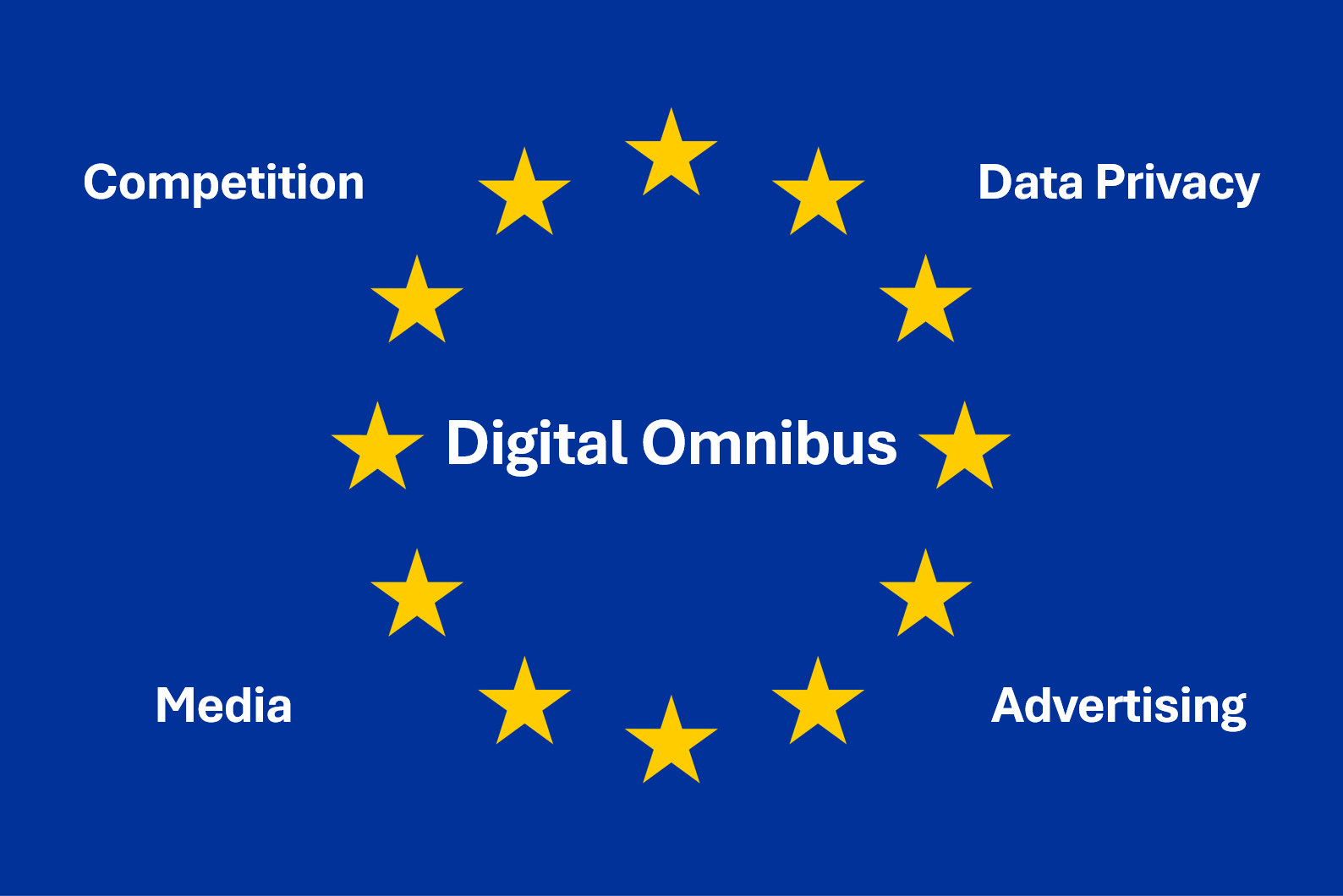
In November 2025, the European Commission (“Commission”) proposed a “Digital Omnibus” regulation to amend several EU legislations.[1] Although presented as a simplification exercise to strengthen Europe’s competitiveness, the proposal revisits key provisions of the General Data Protection Regulation (GDPR) and the e-Privacy-Directive concerning the use of personal data, including for advertising purposes. The changes could […]
Symposium: A Skeptical View of Information Fiduciaries
In recent years, the concept of “information fiduciaries” has surged to the forefront of debates on platform regulation. In a forthcoming essay, we question the wisdom of applying a fiduciary framework to dominant digital platforms.
Declaration of Digital Autonomy
We demand a world in which technology is created to protect and empower those who are impacted by it. Our technology must respect the rights and freedoms of those users. We need to take control for the purpose of collectively building a better world in which technology works in service to the good of human kind, protecting our rights and digital autonomy as individuals.
Why we must reclaim digital sovereignty
A new white paper envisions a radically different technological future
Digital Sovereignty
The term “digital sovereignty” has become an integral part of current political discourse. Across party lines and administrative levels, there is consensus: Being digitally sovereign is desirable and important. However, it often remains unclear what it actually means to be digitally sovereign and how this desirable state should be achieved.
Platform Monopolies - AVC
There’s an article in the NY Times Sunday Business Section today that lays out a very important question we have all been dancing around but will increasingly be dealing with. The article is nominally about Amazon’s fight with Hachette but it is really about internet platforms and monopolies. The author of the NY Times piece […]
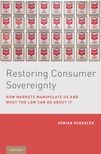
Restoring Consumer Sovereignty: How Markets Manipulate Us and What the Law Can Do About It
Abstract. For decades, there has been broad consensus within antitrust, intellectual property, and consumer law scholarship that consumers make decisions i
Net neutrality
When there is a structural reason consumers don’t have freedom of choice, and the free market can’t work, consumers need minimal protection from the government so that they don’t get abused. We...
Unpacking the Public Health Turn in Internet Regulation
Measures designed to protect children from digital harms are ushering in a public health approach to internet regulation, writes Ramiro Álvarez Ugarte.
The implications of the end of net neutrality | TechCrunch
When Donald Trump pulled off a stunning victory to win the U.S. presidency, the entire world began to speculate about what a Trump administration will look like. As the chief executive of a native advertising network, I -- and many others that work in digital media -- am keeping a particularly close eye on how the president will handle net neutrality.

Google, Facebook, and Amazon benefit from an outdated definition of “monopoly”
A few weeks ago, Italy fined Apple and Samsung €15 million for the “planned obsolescence” of their smartphones. The antitrust regulators allege that both companies pushed users to download software that slowed phone performance, forcing customers to buy replacement phones sooner.
