


The use of large language models (“LLMs”) has exploded in recent years, including in the generation of source code. But even as their usage gains popularit...
Magicoder: Empowering Code Generation with OSS-Instruct
We introduce Magicoder, a series of fully open-source (code, weights, and data) Large Language Models (LLMs) for code that significantly closes the gap with top code models while having no more...

Vibe Coding Is the New Open Source—in the Worst Way Possible
As developers increasingly lean on AI-generated code to build out their software—as they have with open source in the past—they risk introducing critical security failures along the way.


Sorting out the Ethical Licensing Mess
Software developers who give the world, for free, usage rights to the code they write often use open source licenses to make this gift legally explicit. These free usage rights (and then some) are …

Best LLM for Coding 2026 | AI Coding Model Rankings & Benchmarks
Which AI model writes the best code? We rank every major LLM — open and closed source — across SWE-bench, HumanEval, LiveCodeBench, and Terminal-Bench coding benchmarks. Compare the best LLMs for coding, software engineering, and programming.

Translating non-trivial codebases with Claude
I don’t think it’s [me writing about LLMs] likely to happen anytime soon: I prefer to write about things that I’m excited about.
Vibe Coding Is Killing Open Source Software, Researchers Argue
‘If the maintainers of small projects give up, who will produce the next Linux?’
Compiling knowledge, not retrieving it: a hands-on deep dive into llm-wiki-compiler
The thesis of this piece is simple and uncomfortable: the problem of making an LLM “remember” what you’ve read isn’t solved with more…
Pluralistic: The (other) problem with automatic conversion of free software to proprietary software (23 Apr 2026) – Pluralistic: Daily links from Cory Doctorow
Here's an interesting stunt: a project called Malus.sh will take your money, and in exchange, it will ingest any free/open source code you want, refactor that code using an LLM, and spit out a "clean room" version that is freed from all the obligations imposed by the original project's software license:
Histomat of F/OSS: We should reclaim LLMs, not reject them
A few days ago, I came across a blog post titled On FLOSS and training LLMs that articulates a growing frustration within the free and open source software…
open-slopware
Free/Open Source Software choosing to use and/or support LLM usage/AI, as well as alternatives and tips to requesting better policies or forking.
I just came across this paper arxiv.org/abs/2509.22908 which coins the term "vericoding" for using LLMs to generate formally verified code, and presents benchmark results for several languages

A benchmark for vericoding: formally verified program synthesis
arxiv.org
Martin Kleppmann
New blog post! ✨ I argue that AI will make formal verification go mainstream. martin.kleppmann.com/2025/12/08/ai-formal-verifica… Three reasons for this: 1. LLMs are getting increasingly good at writing proofs using proof assistants. This will make formal verification vastly cheaper than it's been to date.
Vibe Coding

putting the LLMs to work
Introducing Radial: Agent orchestration on the Atmosphere
ARCHITECTURE.md
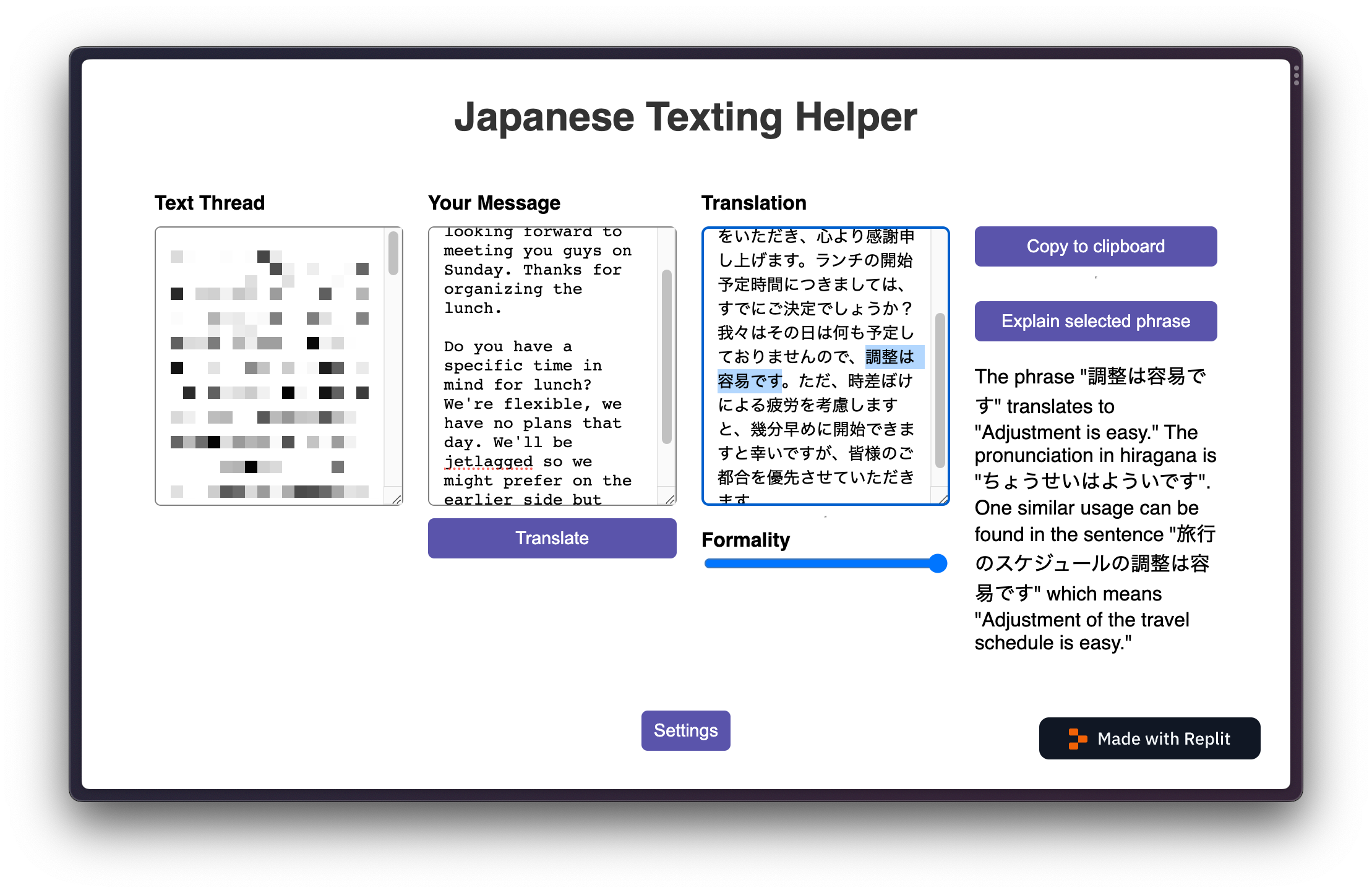
Codifying a ChatGPT workflow into a malleable GUI
WeSight - Run CLI Agents from One Desktop App
Diffui - Prompt to design, without the slop
Superpowers Plugin | Claude by Anthropic