

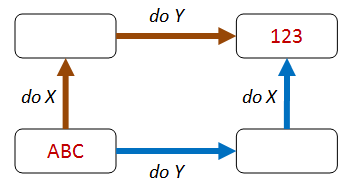
Or, I want to use PBT, but I can never think of any properties to use
Hypothesis: A new approach to property-based testing
The property-based testing library for Python
Hypothesis, Antithesis, synthesis
Introducing Hegel, our new family of property-based testing libraries.

Hegel
A universal property-based testing protocol and family of libraries, built on Hypothesis
Property Testing with Agent Swarms
Using agents to build property-testing machinery, then turn the findings into small, reviewable fixes.
RFC: Plan for custom element attributes/properties in React 19 · Issue #11347 · facebook/react
This is meant to address #7249. The doc outlines the pros and cons of various approaches React could use to handle attributes and properties on custom elements. TOC/Summary Background Proposals Opt...
What is random generation?
I wanted to write this as a sequel to "What is a property?" where I would talk about how Property-Based Testing libraries generate random structures, don't worry, I'll still do that! But I realized that without talking about randomness in computers, the writing would be incomplete. So the first part of this article will go into a core problem that we consider "solved" in PBT, which is designing good random number generators, with the latter part talking about implementing complex random data generators on top of such RNGs.
Structure and Interpretation of Test Cases • Kevlin Henney • GOTO 2022
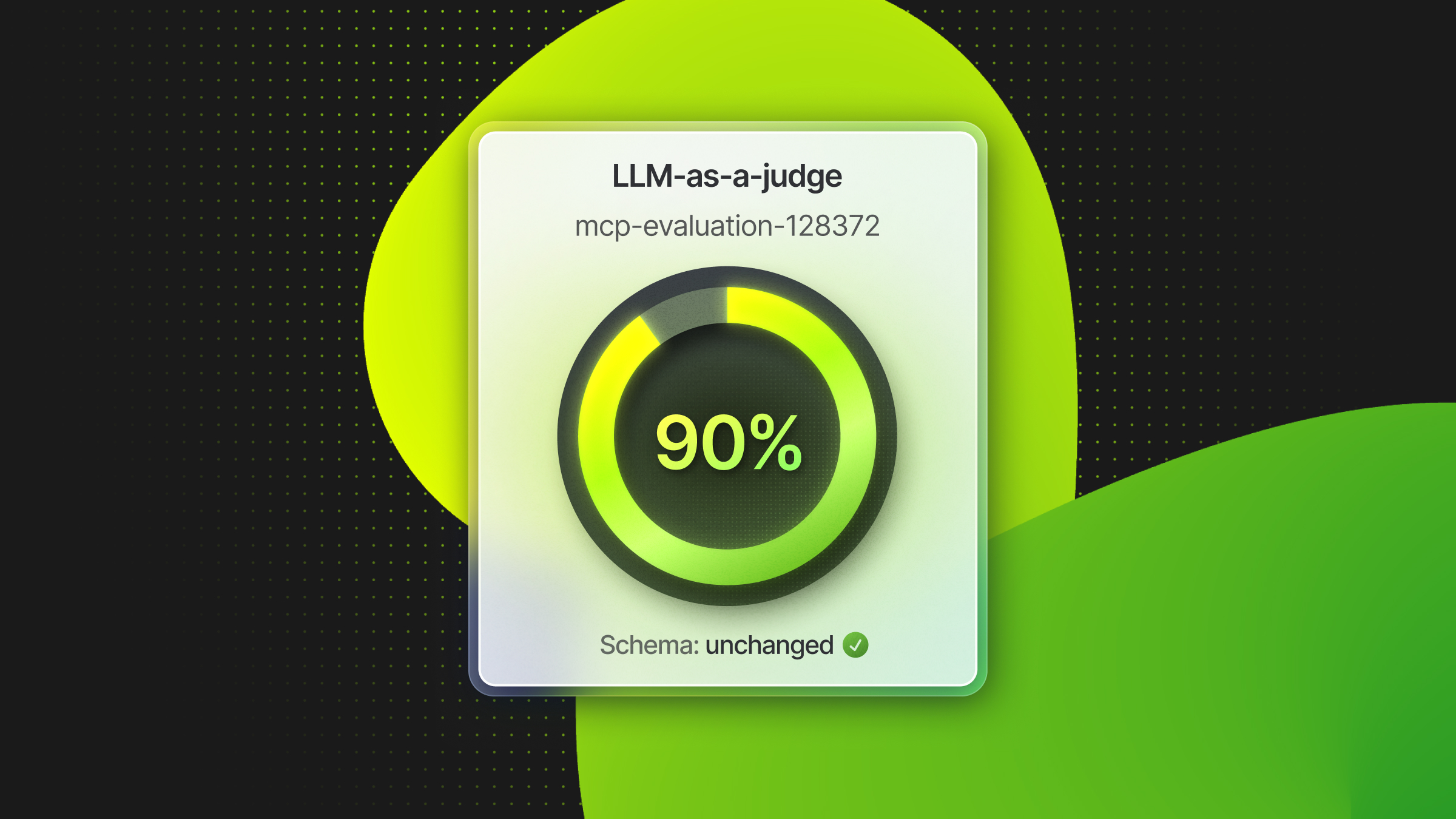
Writing Test Evals For Our MCP Server - Neon Blog
When we launched our MCP server, we knew it’d be important for it to have tests, just like any other piece of software. Since our MCP server has over 20 tools, it’s important for us to know that LLMs can pick the right tool for the job. So, this was the main aspect we wanted […]
Rust traits and dependency injection - Julio Merino (jmmv.dev)
Dependency injection is one of my favorite design patterns to develop highly-testable and modular code. Unfortunately, applying this pattern by taking Rust traits as arguments to public functions has …

SOLID: The Software Design, Architecture & Testing Wiki
Learn to write testable, flexible, maintainable code with TypeScript.
Readable Robot Tests: Bridge the Tech Gap
A walkthrough of the Robot Testing pattern in Flutter, an end-to-end technique that keeps tests readable for non-technical stakeholders and reusable as code grows.
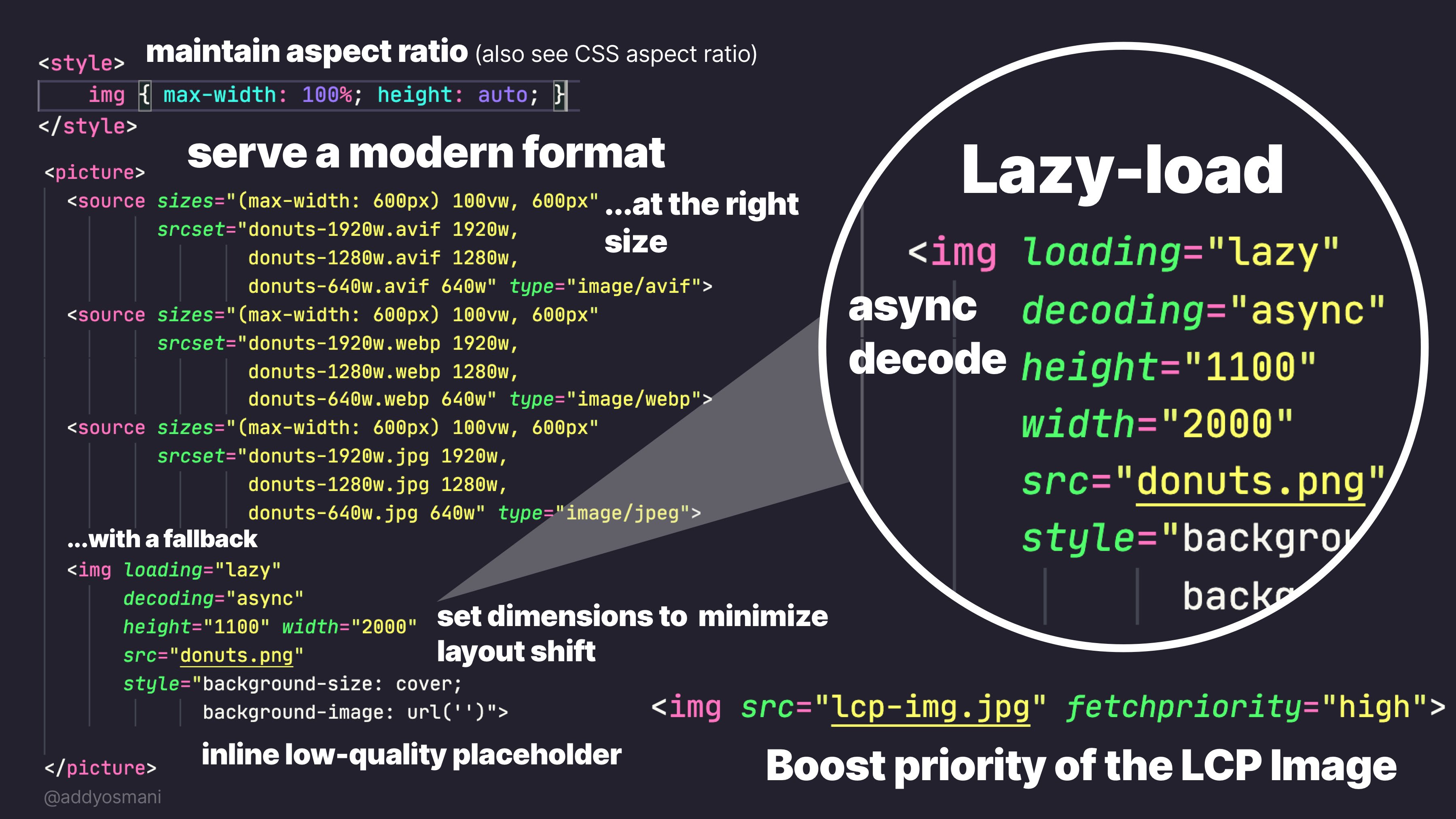
Practical guide to the <img> element: from the basics to LCP | Joan León
The <img> element has attributes that make a real difference in performance: loading, decoding, fetchpriority, srcset and sizes. A practical guide to using them well.
W3C Manual of Style
This manual is a guide containing best current practice, written for editors and authors of W3C technical reports. No requirements for W3C publications are in this document. All requirements for W3C publications are in W3C [[[PUBRULES]]].
Specification by example
Specification by example (SBE) is a collaborative approach to defining requirements and business-oriented functional tests for software products based on capturing and illustrating requirements using realistic examples instead of abstract statements. It is applied in the context of agile software development methods, in particular behavior-driven development. This approach is particularly successful for managing requirements and functional tests on large-scale projects of significant domain and organisational complexity.[1]
Boundaries
This talk is about using simple values (as opposed to complex objects) not just for holding data, but also as the boundaries between components and subsystems. It moves through many topics: functional programming; mutability's relationship to OO; isolated unit testing with and without test doubles; and concurrency, to name some. The "Functional Core, Imperative Shell" screencast mentioned at the end is available as part of season 4 of the DAS catalog.