The term “digital sovereignty” has become an integral part of current political discourse. Across party lines and administrative levels, there is consensus: Being digitally sovereign is desirable and important. However, it often remains unclear what it actually means to be digitally sovereign and how this desirable state should be achieved.
Sovereignty and Landscape | Simon Wardley | 15 comments
X : What is digital sovereignty? Me : I was asked that question by some friends within Government at the beginning of this month. I know some have been working on the idea, which is very encouraging, but I gave my tuppence worth of a definition. "Digital sovereignty is a country's ability to make its own decisions about the technology it uses, the data it creates, and how digital systems work in service of its people rather than being forced to accept choices made by other entities. This requires continuous situational awareness of the economic and technological landscape to anticipate changes, maintain strategic advantage, and shape international digital norms. Digital sovereignty is achieved through strategic control over critical digital assets and relationships, extending from public sector systems to the broader digital ecosystem affecting citizens and economic interests." The key is choice. You are sovereign if you retain the ability to make your own decisions rather than being forced to accept the decisions of others. This doesn't mean you need to own the entire tech stack, or all the data but you do need to maintain control over critical assets and relationships. This can be achieved by many means not just by conflict with others but through co-operation and collaboration (i.e. all the forms of competition matter). You also can consciously compromise, accepting some loss of sovereignty in one space to gain sovereignty in another. Anyway, I quite like the Mike Bracken description https://lnkd.in/eFjzcAdr "Digital sovereignty is the agency and capacity of any organisation to make intelligent, informed choices to shape its digital future by design". I used to do a lot of work on sovereignty many years ago, so if you want to know more about my view and how to achieve this, well I have a series of hopefully useful but somewhat introductory posts. Sovereignty and Landscape https://lnkd.in/eku2X_Ea Societal versus Market benefit https://lnkd.in/eXxkCv-K Whose interests are you serving? https://lnkd.in/eAgHS5wc | 15 comments on LinkedIn

Interoperable Sovereignty: The Democratic Alternative to Digital Authoritarianism
A Democratic Architecture for the Digital Age Digital sovereignty has become a central concern for governments worldwide, yet its meaning remains contested. Too often it is framed as...

Digital Sovereignty
Digital sovereignty has a bad reputation. In internet governance circles, sovereignty is considered awkward enough to be referred to by as the "s-word." It is often associated with misguided attempts at returning to the era of national champions, like building a French search engine or a European Google, or worse with the eternal boogeyman that is the "splinternet." It doesn't have to be this way!

Digital Sovereignty: A Framework to improve digital readiness of the Government of Canada
The Government of Canada (GC) must be able to manage and protect its data, systems and infrastructure to operate securely and independently in a globally connected environment. This paper explains what digital sovereignty means for the GC and how it informs the management of government digital operations. Broader issues such as Canada’s economic, industrial, or national security interests are out of scope of this paper.
Why we must reclaim digital sovereignty
A new white paper envisions a radically different technological future
Declaration of Digital Autonomy
We demand a world in which technology is created to protect and empower those who are impacted by it. Our technology must respect the rights and freedoms of those users. We need to take control for the purpose of collectively building a better world in which technology works in service to the good of human kind, protecting our rights and digital autonomy as individuals.
Data-owning Democracy or Digital Socialism?
This article contrasts two reform proposals articulated in recent debates about how to democratize the digital economy: data-owning democracy and digital socialism. A data-owning democracy is a political-economic regime character-ized by the
Every Country Has Its Own Internet Now
A patchwork of privacy laws, teen social media bans, and "digital sovereignty" pushes means the Internet you see depends entirely on where you're standing.

Funding Open Source for Digital Sovereignty
"Open Source alone won't deliver digital sovereignty. Europe must fix procurement and fund those who actually build it."

FR#166 – No Change
Many people in Europe see the open social web as a path to digital sovereignty. This week demonstrated a problem: the assumption that European governments actually want to be sovereign.

Digital ID: What it means for the digitally excluded – Digital Poverty Alliance
By 2029, proving your right to work in the UK may no longer mean showing a passport or residence permit. Under Government proposals, it could require a digital

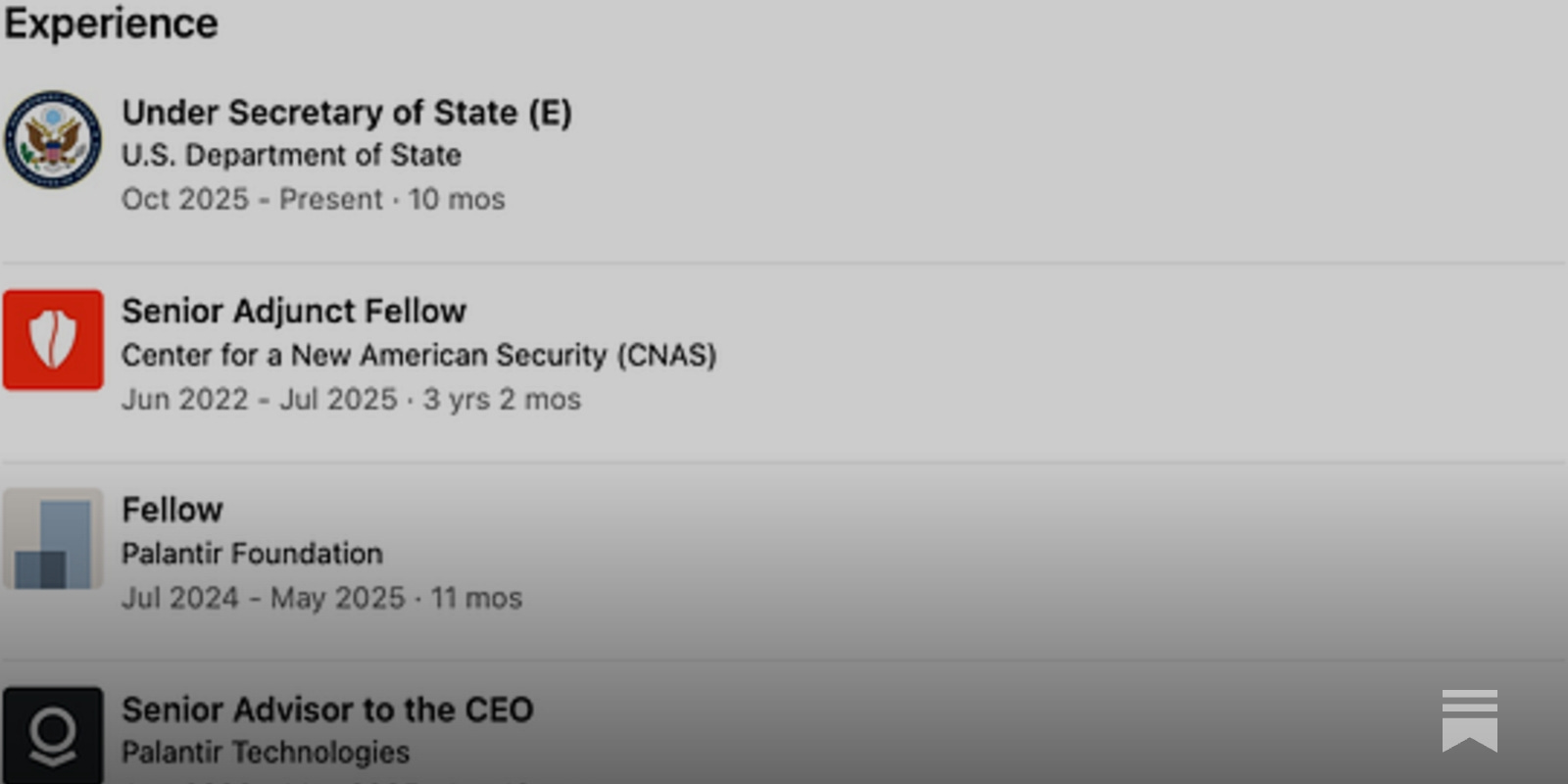
The Eye 02: When is sovereignty not sovereign?
As we start to reject reliance on US tech monopolies, Palantir and its allies rush to strip the word "sovereignty" of its meaning
Self-sovereign identity: the future of personal data ownership?
Despite the economic value of online identities, major concerns remain around privacy issues. Could the self-sovereign identity model be the solution?

Decolonising Global Digital Transformation
Reclaim Control | over your technology, your devices, your data, your digital life.
You have the right to control your data, devices, and services. We coordinate, develop and foster communities of Reclaimers who want digital independence. Together, let's reclaim the right to a technical future of data sovereignty, digital autonomy, responsible governance, and collective care online for all.
Funding Open Source for Digital Sovereignty
Open Source alone won't deliver digital sovereignty. Europe must fix procurement and fund those who actually build it.