


Bringing together place-based technologies, embodied experience and trees
About — Every Object an Archive
We interview people about their experiences with technological objects that were once everywhere, but are now being replaced or redesigned. We are interested in the physical experience of living with these objects, their handfeel and relationships to our bodies. We are also interested in how they shaped our habits, relationships, and ways of being. Technologies are more than physical objects: whole worlds of infrastructure, process, policy and culture are built around them.

Weaving Narratives into Procedural Worlds
Examining the value, characteristics, and methods of integrating static narratives into otherwise procedurally generated environments.
Cognitive Debt and ChatGPT
Maggie's digital garden filled with visual essays on programming, design, and anthropology

Architecture and the Internet: Designing places in cyberspace
Cyberspace, as the information space is called, has become accessible in the past decade through the World Wide Web. And although it can only be experienced through the mediation of computers, it is quickly becoming an alternative stage for everyday economic, cultural, and other human activities. As such, there is a potential and a need to design it according to place–like principles. Making places for human inhabitation is, of course, what architects, landscape architects, and town planners have been doing in physical space for thousands of years. It is curious, therefore, that Cyberspace designers have not capitalized on the theories, experiences, and practices that have been guiding physical place–making. While most 3D environments closely mimic physical spaces, they are, by and large, devoid of the essential characteristics that differentiate a ‘place’ from mere ‘space.’ And only rarely are they sensitive to, and take advantage of, the peculiarities of Cyberspace. We believe that this state of affairs is temporary, characteristic of early adoption stages of new technologies. As the Web matures, and as it assumes more fully its role as a destination rather than as means of communication, there will be a growing need to design it according to place–making principles. By looking at physical architecture as a case study and metaphor for organizing space into meaningful places, this paper explores the possibility of organizing Cyberspace into spatial settings that not only afford social interaction, but, like physical places, also embody and express cultural values. At the same time, because Cyberspace lacks materiality, is free from physical constraints, and because it can only be ‘inhabited’ by proxy, these ‘places’ may not necessarily resemble their physical counterparts.
Abdelrahman's playground
designer building thoughtful little apps and interactions. reverie, nomi, and a metal shader playground.

DeepSeek
Maggie's digital garden filled with visual essays on programming, design, and anthropology

Screen As Room: An Architectural Perspective on User Interfaces — Christoph Locher · Interaction Designer
With the use of video games as social spaces being observed for several years and the increased focus put on virtual social spaces due to the scarceness of physical social spaces in the last months, the concept of “spatial interfaces” is once again at the center of discussions. I want to add an alternative perspective to this, looking at the properties of physical spaces as metaphors, rather than models, for interfaces and exploring seven of them in more detail.
Screen As Room: An Architectural Perspective on User Interfaces — Christoph Locher · Interaction Designer
With the use of video games as social spaces being observed for several years and the increased focus put on virtual social spaces due to the scarceness of physical social spaces in the last months, the concept of “spatial interfaces” is once again at the center of discussions. I want to add an alternative perspective to this, looking at the properties of physical spaces as metaphors, rather than models, for interfaces and exploring seven of them in more detail.
Designs for the pluriverse: radical interdependence, autonomy, and the making of worlds
"Arturo Escobar presents a new vision of design theory by arguing for the creation of what he calls 'autonomous design'--a design practice aimed at channeling design's world-making capacity toward ways of being and doing that are deeply attuned to justice and the Earth"--Publisher description

High-Tech Anthropology® Process Tour
Come learn about the benefits of observing end users, creating and mapping personas, and assessing iterative designs. Additionally, see the other tools we use and visuals we create to capture and distill information that will help us mitigate the risk of a failed end product. These steps build the foundation for user-friendly designs tailored to target persona(s) – for products that are actually adopted (and even enJOYed!) rather than tossed to the side or treated like paperweights.

Thinking in Triplicate — Mule Design
To align design and business, visualize the shared narratives

Projects – discover our non-empty spaces
Fostering spaces for growth is an important part of our trajectory. We seek to harness the combined power of practice, critical inquiry and creativity to address some of the issues of our times - health, environmental awareness, social equality and multilingual, trans-cultural collaborations.
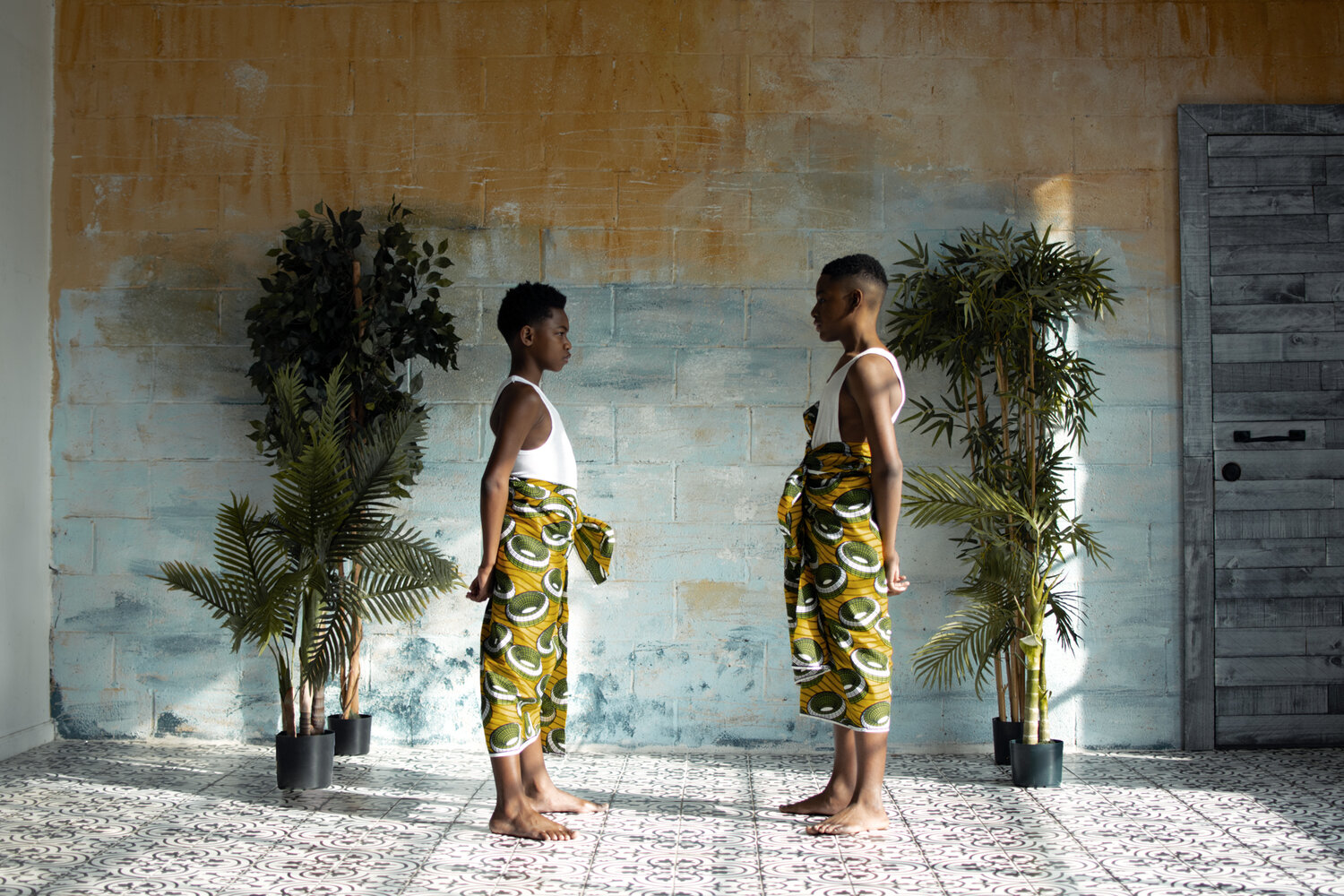
Thrilled to be sharing my latest work at #CogSci2026! Many of the spaces we move through, from kitchens to airports, were designed with specific uses in mind. How do people create such environments, and how do users figure out what they were designed for? 📃 osf.io/preprints/psyarxiv/hd6px_v1
digital gardens


Good Internet

smallweb
about - pivot point - Obsidian Publish
