

A technologist proposes slapping a "slop tax" on companies that use or create generative AI content.
Sharing the Algorithm: The Tax Solution to Generative AI
This article argues that tax policy offers a core tool for mitigating the sweeping public policy challenges of generative Artificial Intelligence ("AI"

AI Slop is Killing Online Communities
Like a young child coming home from kindergarten with their latest crayon scrawls, the internet is currently awash with people sharing their AI-generated work. And just like the young child’s drawings, much of that work should be proudly put up on the walls within the artist’s house—and no further.
AI slop
AI slop is digital content made with generative artificial intelligence that is perceived as lacking in effort, quality, or meaning, and produced in high volume as clickbait to gain advantage in the attention economy, or earn money. It is a form of synthetic media usually linked to the monetization in the creator economy of social media and online advertising. Coined in the 2020s, the term has a pejorative connotation similar to spam. "Slop" was selected as the 2025 Word of the Year by both Merriam-Webster and the American Dialect Society.
The AI Slop Backlash Is Actually Having an Impact
Platforms are finally recognizing that people don’t want to consume AI slop. A growing number of sites and apps now have tools and policies to flag, label, and ban AI-generated content.

A defense of AI art
It's not just slop, it's not stolen, it's not bad for the environment, and we should want art to be easy to make

How AI slop is causing a crisis in computer science
Preprint repositories and conference organizers are having to counter a tide of ‘AI slop’ submissions.
Can AI slop help us save the internet?
Disrupting the status quo and opening space for new visions
AI is ushering in an age of personal media
It may be AI slop, but it's my AI slop.

Beyond Slop
Visions for humane creative AI tools based on craft, process, and emergence.
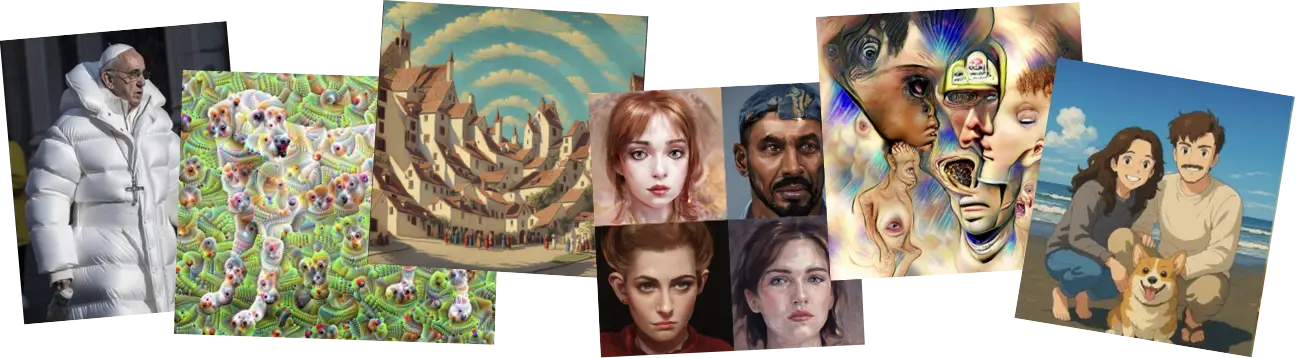
Rude Slop Behaviour
This essay aims to introduce social stigma around certain types of AI use, or at the very least, reduce the amount of slop I receive. What is slop? I like the deepfates definition: Watching in real time as “slop” becomes a term of art. the way that “spam” became the
Firms like Meta and A16z admit having to pay billions for training data would ruin their generative-AI plans as they fight new copyright rules
Meta, Google, Microsoft, and Andreessen Horowitz are trying to keep AI developers from having to pay for copyrighted material used in AI training.
AI code and software craft - alex wennerberg
Much has been said about audio, video and text "slop": low-quality, AI-generated content that has proliferated on the internet since the release of publicly-accessible AI models. Garbage content has always existed online, but the novelty of AI is that it has made its generation orders of magnitude less labor-intensive. For anyone who lacks a discerning eye, or is doing some task where discernment simply does not matter, AI has become a sufficient replacement for human hands.
New schemes teach the masses to build AI
Treating it like a craft is paying dividends

Over 50 Percent of the Internet Is Now AI Slop, New Data Finds
New research from the firm Graphite found that around half of all articles on the internet are AI generated.
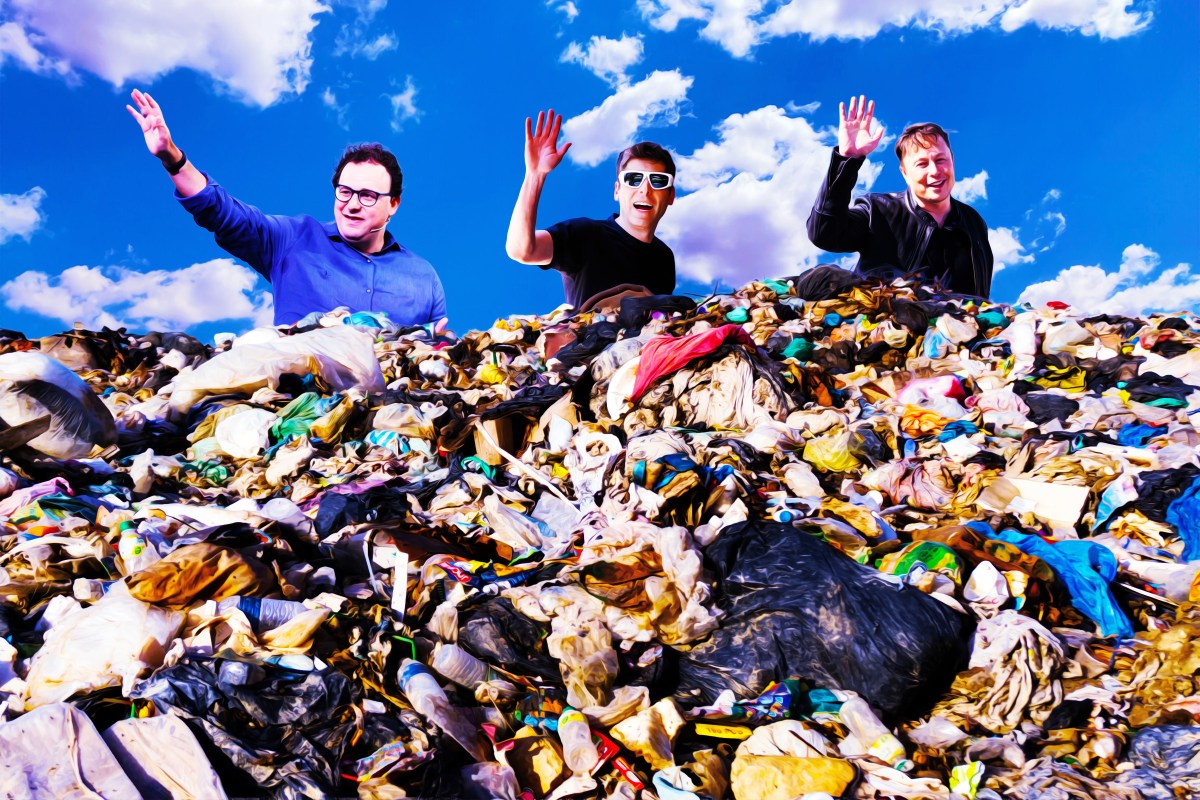
There is starting to be some genuinely interesting AI-created film stuff (among a flood of slop), and I suspect this will only accelerate. The “is it art?” debate will grow Benjamin’s 1935 essay “The Work of Art in the Age of Mechanical Reproduction” already argued it’s likely the wrong question.
On slop

Interesting content about the AI slop phenomena
Lincoln Michel on Twitter / X

No Big Deal review – is this how AI ends humanity … with a sitcom so bad it bores you to death?

Life on the Uncanny Precipice | Naomi Saphra
@mosermostly.bsky.social had what is likely the correct read: that they will use this to train a bot to seem less botlike
davidad 🎇 on Twitter / X

trying to articulate what i hate about "AI writing"
