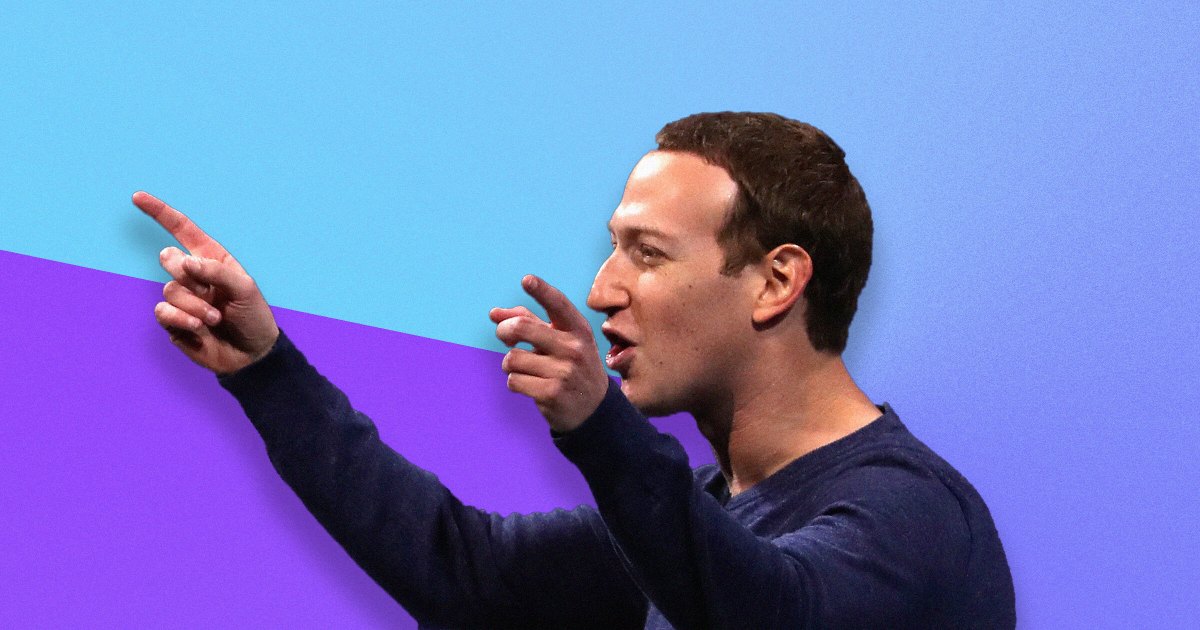
Mark Zuckerberg promises that AI will give everyone even more personal freedom, but his company is cracking the whip behind the scanes.
Mark Zuckerberg's AI manifesto is exactly why people don't like AI | TechCrunch
On Monday, Mark Zuckerberg published a 6,500-word manifesto about personal AI, largely about the possibilities for the "personal superintelligence" systems Meta AI is building.

Debates over AI consciousness are a trap
If AI systems are viewed as too advanced to control, the companies that build them can’t held liable for the harms they cause.

The Real Existential Risk Is AI CEOs Avoiding Oversight: “Alternative Nobel” Winner Timnit Gebru
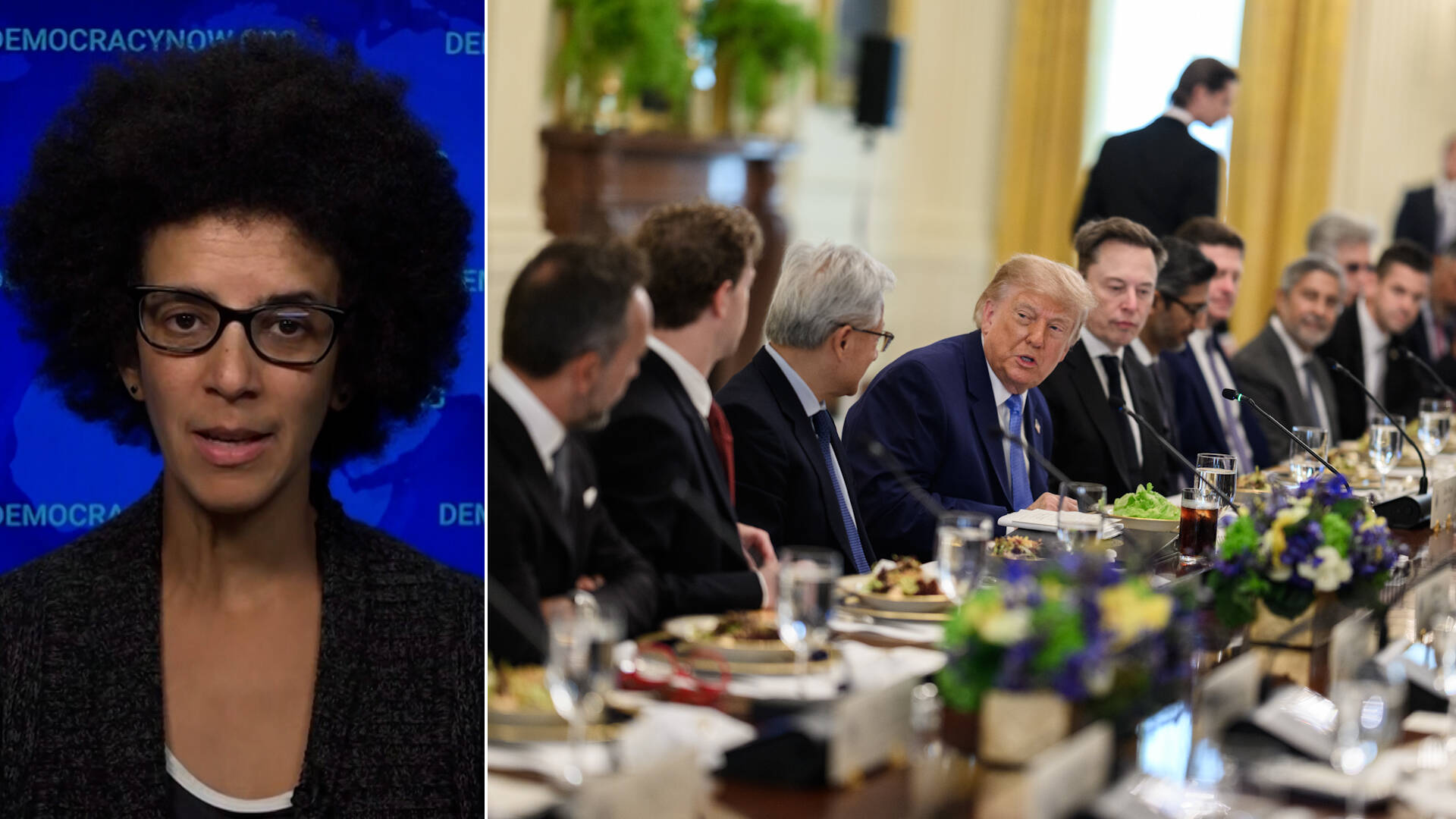
We speak to the prominent AI researcher and leading critic of the AI industry, Timnit Gebru, who was recently awarded a 2026 Right Livelihood Award for her work investigating the harms and hype behind the global buildup of artificial intelligence. “Instead of discussing faulty, unreliable systems,” Gebru says tech leaders like SpaceXAI’s Elon Musk, OpenAI’s Sam Altman and Anthropic’s Dario Amodei are “marketing their systems as all-knowing, superpowerful, superintelligent,” and lobbying for “self-policing and self-regulation” to avoid being held “liable through existing laws.” Gebru expresses skepticism over increasingly widespread claims that AI algorithms pose an existential risk to humanity, warning that such claims are overblown and that “what is actually happening is regulatory capture.”
Mark Zuckerberg doesn’t understand how to live
An AI future of sleek, streamlined, and totally empty relationships.

AI and democracy: the right to resist optimization
Taiwan's cyber-ambassador Audrey Tang on why the real danger of AI isn't that machines imitate humans, but that humans adapt to machines.
AI and the crisis of the author
Editor’s note (September 21, 2026): We have removed this essay. AI was used in its preparation. The TLS editorial guidelines prohibit the use of AI in the
Governments Can’t Agree on What AI Actually Is
Without clear definitions, governance is impossible.

How Shifting Responsibility for AI Harms Undermines Democratic Accountability | TechPolicy.Press
The moralization of individual AI use deflects responsibility away from powerful actors like corporations and governments, Suvradip Maitra and others write.
How a single tweet transformed the AI safety debate
Most people think AI is risky, but they don’t agree what to do next.
AI is An Ideology, Not A Technology
At its core, "artificial intelligence" is a perilous belief that fails to recognize the agency of humans.
AI Bros Wanted Trump. Now They Learn What Happens When You Tell Him No.
Last year, in Fascism For First Time Founders, I warned the tech industry what happens when you cozy up to authoritarians. As I wrote then: Innovation requires trust. Not just between individuals, …

Humanism without (All) Humans
Microsoft Humanism puts corporate muscle behind an overweening class of bad AI philosophies
AI has limits, even if many AI people can't see them
On Ben Recht's fantastic new book

Nathan Witkin on Twitter / X
Does anyone disagree that pretty much every piece of empirical evidence we have about actually existing AI points toward a labor-augmenting technology with a more-or-less ordinary risk profile (no worse than cars, guns, nuclear power, social media, etc.)?On the labor front, the…— Nathan Witkin (@NateWitkin) October 5, 2026
The Future of AI
The Parents’ Paradox: AI, Ethics, and the Limits of Machine Morality This post is based on a talk I gave at The AI & Automation Conference in London on February 25, 2026, and my slides. A…
Would You Just Look At This Shit
Even if you put AI ethics and tech's support of fascism aside (which you shouldn't), the quality control at major tech companies has become an embarrassing and dangerous mess as they try to justify years of hype.