
A recent survey found that more than half of American men aged 18 to 49 said they had an active sports betting account.
More Than a Quarter of Americans Gamble Online Daily, But Frequent Gamblers Likely to Self-Impose Br
As millions of Americans log on to track their college basketball pools, more than half (58%) of adults who gamble online daily say that they have intentionally taken a break or limited the amount of time they spend gambling, new poll data from the American Psychiatric Association (APA) shows.

From Pill Mills to Prop Bets: Prediction Markets and Mobile Sports Betting Apps Are Fueling America’s Next Addiction Crisis
Against the gamblification of the world.

Mark Zuckerberg Sure Sounds Eager to Get Young People Hooked on Online Gambling
The Meta CEO is developing a social network betting market app—and wants help from Polymarket and Kalshi.

Election Betting Poll Shows US Opposition
A Reuters/Ipsos poll finds 60% of Americans oppose election betting, as regulators and lawmakers debate how prediction markets should be regulated.

Election Betting Poll Shows US Opposition
A Reuters/Ipsos poll finds 60% of Americans oppose election betting, as regulators and lawmakers debate how prediction markets should be regulated.
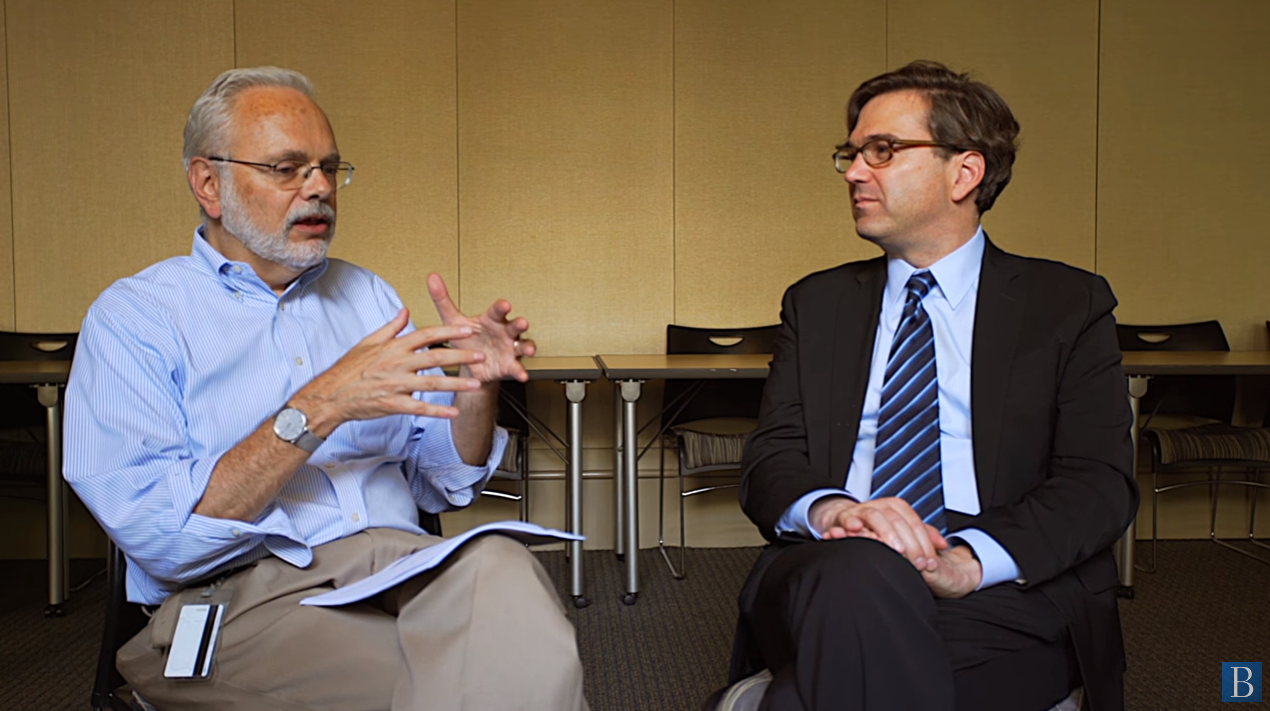
Men not at work: Why so many men aged 25 to 54 are not working | Brookings
The job market is a whole lot better than it was during the worst of the Great Recession, but around 7 million American men between the ages of 25 and 54 – mostly too old to be in school and too young to retire – are neither working nor looking for work. That amounts to […]
Velobet Casino | Slots, Live Games & Sports in Velobet UK
Join Velobet casino for 7,500+ games, a welcome up to £3,000 + 300 spins, fast payouts, and the Velobet app experience. Sign up today and play your way.

US senators urge crackdown on wildfire betting amid warnings of arson risk
Experts say growing trend on sites such as Polymarket and Kalshi could motivate people to start fires to win money

You don't have to gamble for gambling to ruin your life
How gambling is eroding empathy, destroying relationships, and changing our culture — even for people who never bet.

Let’s start talking about advertising games to women
This has been a subject that’s been buzzing around in my head for a while. Should we focus on advertising more games specifically to women, in which case, what would this look like and is it …

The Digital Loophole: 11th International Conference on Information Systems Security and Privacy, ICISSP 2025
Social media platforms are an integral part of daily life for nearly five billion people worldwide. However, the growing presence of underage users on these platforms raises significant concerns regarding children’s exposure to harmful content and its impact on their mental health. This paper examines the effectiveness of age verification measures implemented on leading platforms Facebook, YouTube, Instagram, TikTok, Snapchat, and X. We evaluate the age verification processes required for account creation by simulating the registration steps for minors on these platforms. We also compare these methods to best practices in online age assurance in finance, betting and public transportation sectors. IEEE provides a standard for evaluating the age assurance of a platform or service. Our study benchmarks each platform’s approach against the IEEE standard for robustness. Our research identifies gaps that allow underage users to easily bypass existing age restrictions, with particular practices such as allowing disposable emails and basic browser refreshes further weakening self-declared age checks. The findings highlight the need for more robust age verification measures by social media applications to support their stated age limit policies. This work emphasises the urgent need for stronger and more reliable age verification methods to align the digital age of consent across EU member states and beyond with the minimum age requirements on social media.
Women portrayed as younger than men online, and AI amplifies the bias - Haas News | UC Berkeley Haas
In a sweeping study published today in Nature, researchers at UC Berkeley Haas, Stanford, and Oxford/Autonomy University documented extensive age and gender distortion across online media—and found that common algorithms are amplifying the bias.

Who’s Harmed by Age Verification Mandates?
Age-verification laws may sound straightforward to some: protect young people online by making everyone prove their age. But in reality, these mandates force users into one of two flawed
Online Sweepstakes Casino USA - Quick Prize Cashouts
Compare the top sweepstakes casinos available to US players. Free to enter, no purchase necessary, with Sweepstakes Coins redeemable for prizes. Find your best option here.
On Discord Alternatives - Dhole Moments
Next month, Discord is going to start requiring age verification. The backlash from gamers everywhere has been predictable and justified. I guess their company name checks out. I’ve had a few…

We Haven’t Seen the Worst of What Gambling and Prediction Markets Will Do to America
I don’t think people have thought hard enough about how bad this could get.