

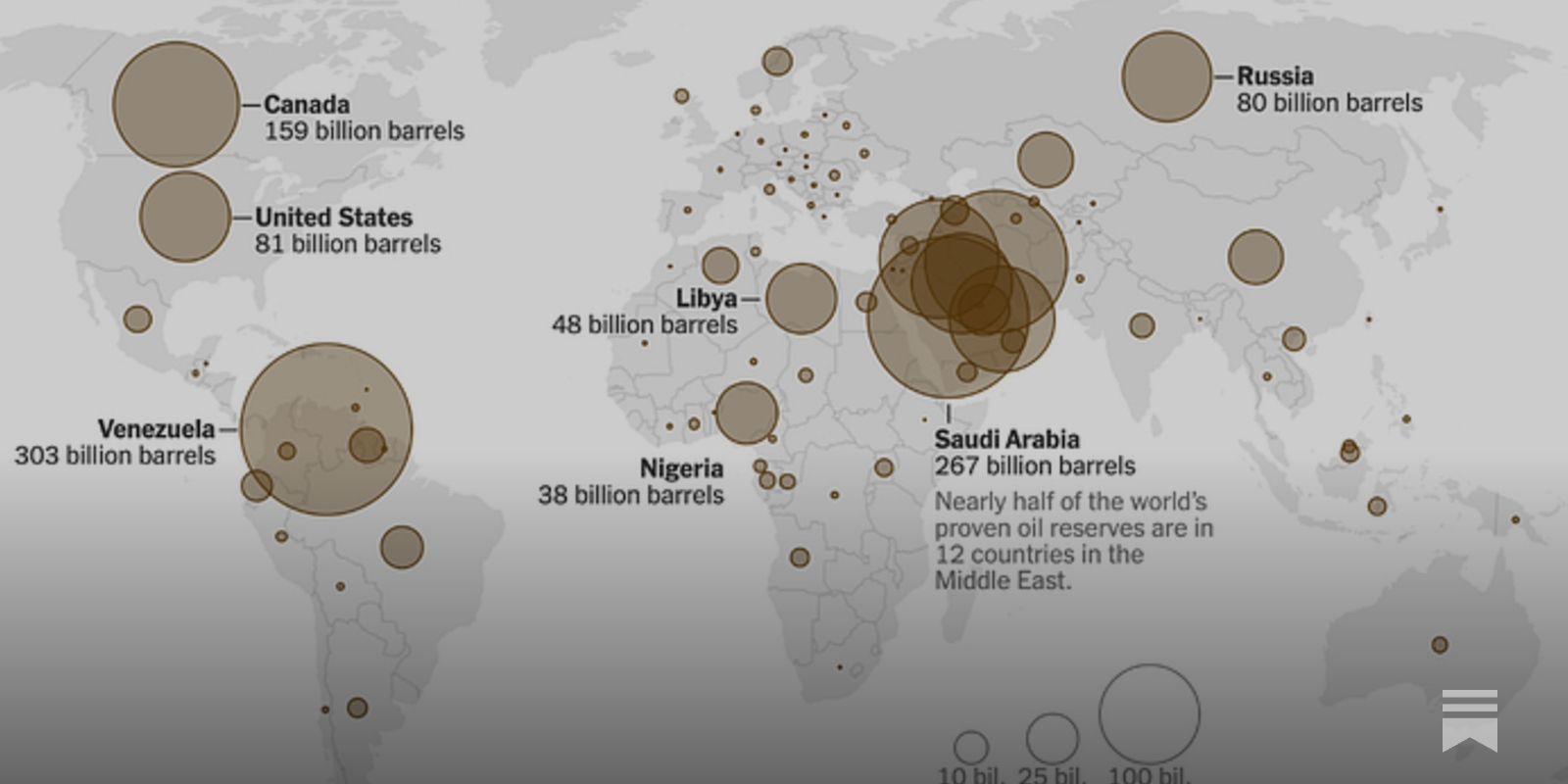
On ne peut pas comprendre l’enlèvement de Nicolas Maduro si l’on ignore les masses financières colossales associées à un changement de régime à Caracas.
Venezuela: The Rise and Fall of a Petrostate
Introduction Venezuela, home to the world’s largest oil reserves, is a case study in the perils of becoming a petrostate. Since it was discovered in the country in the 1920s, oil has taken Venezuela on an exhilarating but dangerous boom-and-bust ride that offers lessons for other resource-rich states. Decades of poor governance have driven what was once one of Latin America’s most prosperous countries to economic and political ruin. In recent years, Venezuela has suffered economic collapse, with output shrinking significantly and rampant hyperinflation contributing to a scarcity of basic goods, such as food and medicine. Meanwhile, government mismanagement and U.S. sanctions have led to a drastic decline in oil production and severe underinvestment in the sector. Though Washington eased some sanctions on Venezuela’s oil and gas sector in 2023, signaling a potential détente, Caracas’s failure to meet conditions for a fair election prompted the U.S. government to reimpose sanctions in 2024. What is a petrostate? Petrostate is an informal term used to describe a country with several interrelated attributes: government income is deeply reliant on the export of oil and natural gas, economic and political power are highly concentrated in an elite minority, and political institutions are weak and unaccountable, and corruption is widespread. Countries often described as petrostates include Algeria, Cameroon, Chad, Ecuador, Indonesia, Iran, Kazakhstan, Libya, Mexico, Nigeria, Oman, Qatar, Russia, Saudi Arabia, the United Arab Emirates, and Venezuela. What’s behind the petrostate paradigm? Petrostates are thought to be vulnerable to what economists call Dutch disease, a term coined during the 1970s after the Netherlands discovered natural gas in the North Sea. In an afflicted country, a resource boom attracts large inflows of foreign capital, which leads to an appreciation of the local currency and a boost for imports that are now comparatively cheaper. This sucks labor and capital away from other sectors of the economy, such as agriculture and manufacturing, which economists say are more important for growth and competitiveness. As these labor-intensive export industries lag, unemployment could rise, and the country could develop an unhealthy dependence on the export of natural resources. In extreme cases, a petrostate forgoes local oil production and instead derives most of its oil wealth through high taxes on foreign drillers. Petrostate economies are then left highly vulnerable to unpredictable swings in global energy prices and capital flight. The so-called resource curse also takes a toll on governance. Since petrostates depend more on export income and less on taxes, there are often weak ties between the government and its citizens. Timing of the resource boom can exacerbate the problem. “Most petrostates became dependent on petroleum while, or immediately after, they were establishing a democracy, state institutions, an independent civil service and private sector, and rule of law,” says Terry Lynn Karl, a professor of political science at Stanford University and author of The Paradox of Plenty, a seminal book on the dynamics of petrostates. Leaders can use the country’s resource wealth to repress or co-opt political opposition. How does Venezuela fit the category? Venezuela is the archetype of a failed petrostate, experts say. Oil continues to play the dominant role in the country’s fortunes more than a century after it was discovered there. The oil price plunge from more than $100 per barrel in 2014 to under $30 per barrel in early 2016 sent Venezuela into an economic and political spiral, and despite rising prices since then, conditions remain bleak. A number of grim indicators tell the story: Oil dependence. In recent years, oil exports have financed almost two-thirds of the government’s budget. Estimates for 2024 place this figure slightly lower, at 58 percent. Falling production. Starved of adequate investment and maintenance, oil output has continued to generally decline, hitting its lowest level in decades. However, exports increased by some 12 percent in 2023, due in part to an easing of U.S. sanctions on the country’s oil and gas sector. Turbulent economy. Venezuela’s gross domestic product (GDP) shrank by roughly three-quarters [PDF] between 2014 and 2021. However, the economy grew by 5 percent in 2023, and the government forecasts it will reach 8 percent in 2024. Soaring debt. Venezuela has an estimated debt burden of $150 billion or higher. Hyperinflation. Annual inflation skyrocketed to just over 130,000 percent in 2018, and though it has since slowed, it remained at 190 percent in 2023, according to the central bank. !function(){"use strict";window.addEventListener("message",(function(a){if(void 0!==a.data["datawrapper-height"]){var e=document.querySelectorAll("iframe");for(var t in a.data["datawrapper-height"])for(var r=0;r

Dans quelle mesure les régimes de change fixe sont-ils répandus à travers le monde ?
Il y a un demi-siècle, le système de Bretton Woods, le système de taux de change fixes organisé autour du dollar qui avait été mis en place au lendemain de la Seconde Guerre mondiale, s’écroulait. Selon un récit bien populaire, Nixon fit basculer les...
L’échec des trumponomics
Un an que Donald Trump secoue les Etats-Unis et la planète entière. Derrière le style, brutal, et l’esbroufe du personnage, des mesures concrètes ont été mise…

The Imperial History Behind the Raid on Venezuela
Peter Beinart interviews scholar Greg Grandin on the history of US intervention in Latin America and what Trump’s new “doctrine” may portend.
Les contributions de Christopher Sims à la macroéconomie
Carlos Chavez évoque les contributions de Christopher Sims : les modèles VAR, les méthodes bayésiennes, la théorie fiscale des prix, l'inattention ra…

Lo del pogromo
Sánchez ha desaparecido en la crisis de Ceuta, lo que parece indicar que hay algo que desconocemos en todo este suceso híbrido o hay algo que, sencillamente, desconocemos y que puede aludir al ámbito privado del presidente

Pourquoi le choix de Donald Trump pour la présidence de la Fed fait-il chuter l’or et l’argent ?
La réaction des marchés à la nomination de Kevin Warsh révèle un enjeu plus large que la seule politique de taux : la capacité des États-Unis à maintenir la confiance dans le dollar.

Mercantilisme et capitalisme de la finitude : aux origines de l’Empire Trump | Le Grand Continent
Les seigneurs de la Silicon Valley s'installent dans l'État américain : un nouveau pouvoir disrupte le libéralisme et la démocratie. Vivons-nous un moment inédit ? Il y a quatre cents ans, une start-up de la City – la Compagnie des Indes – se lançait déjà dans une entreprise de conquête mondiale similaire. Pour expliquer Trump et Musk, Arnaud Orain renoue avec les fils de cette histoire, en forgeant un concept : le capitalisme de la finitude.
Pourquoi les entreprises préfèrent épargner plutôt qu'investir
Signe de la financiarisation du capitalisme, les entreprises épargnent plus qu’elles n’investissent et accumulent des actifs financiers. Ce qui empêche l’Etat …

Le keynésianisme de guerre a-t-il un sens ?
L’arrivée de Trump au pouvoir provoque un bouleversement géopolitique avec un renversement des alliances, au moment où la Russie de Poutine progresse pas à pas en Ukraine. Les deux despotes sont sans doute en train de dépecer ce pays en se partageant territoire et matières premières.
Trump says U.S. has entered deal with Venezuela to take control of 65 billion barrels of oil reserves
President Trump says his administration has entered a sweeping agreement with Venezuela that could give the U.S. access to vast amounts of the South American country's untapped oil reserves, at cost.
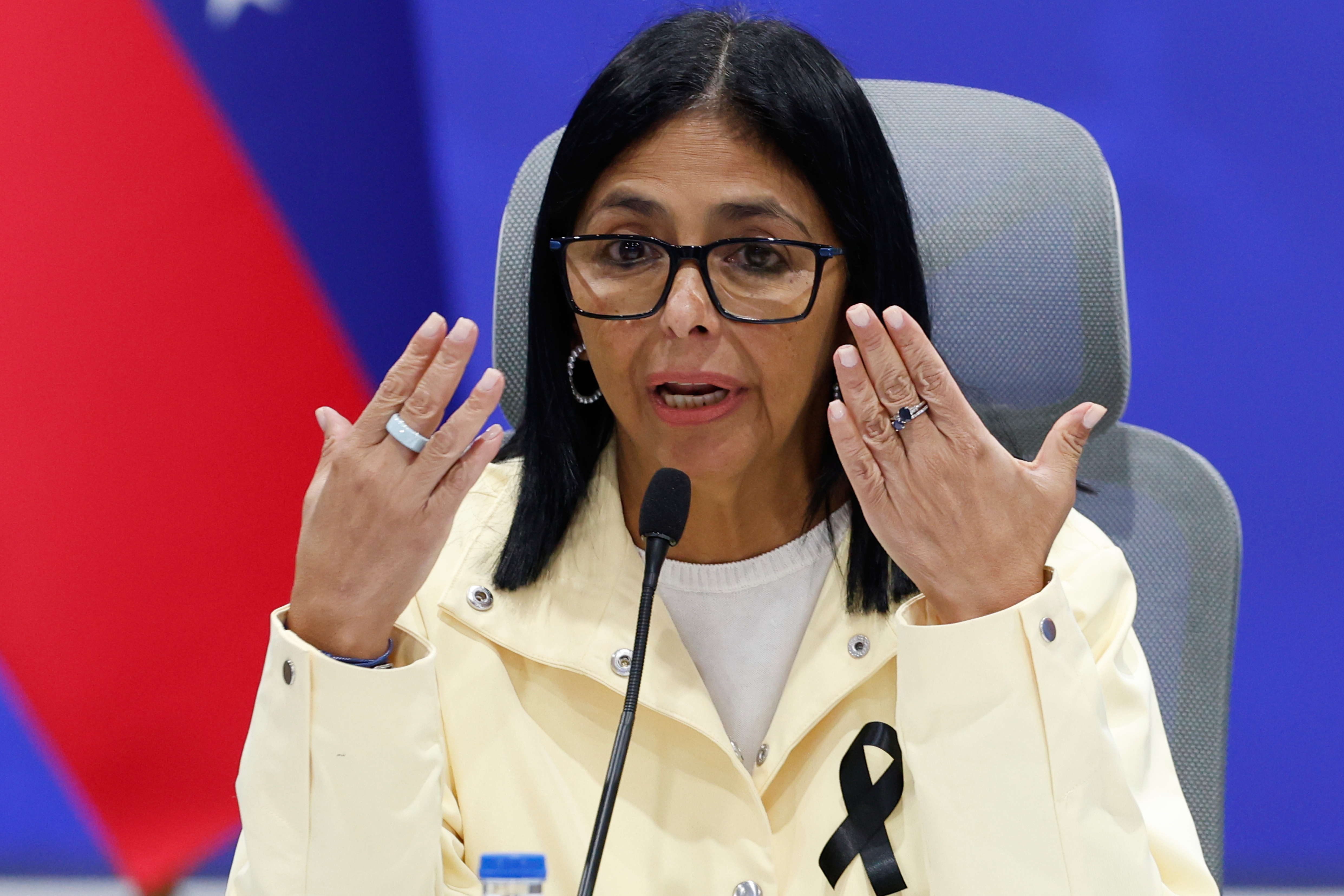
Trump’s Venezuela oil deal gives US access to vast reserves as Iran war drives energy concerns | The National
Agreement deepens US involvement in Venezuela’s oil industry as midterms approach and energy prices remain elevated
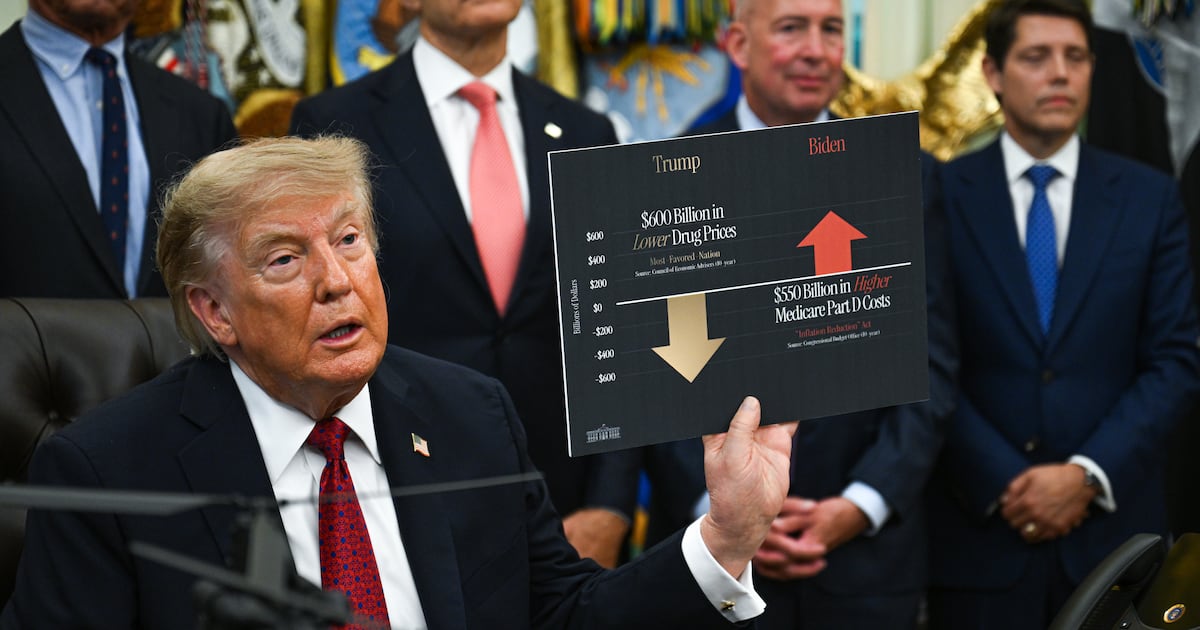
Venezuela misinformation spreads like wildfire online
The right clearly get that people aren't happy about what Trump did in Venezuela. So, they're pumping out misinformation and AI slop

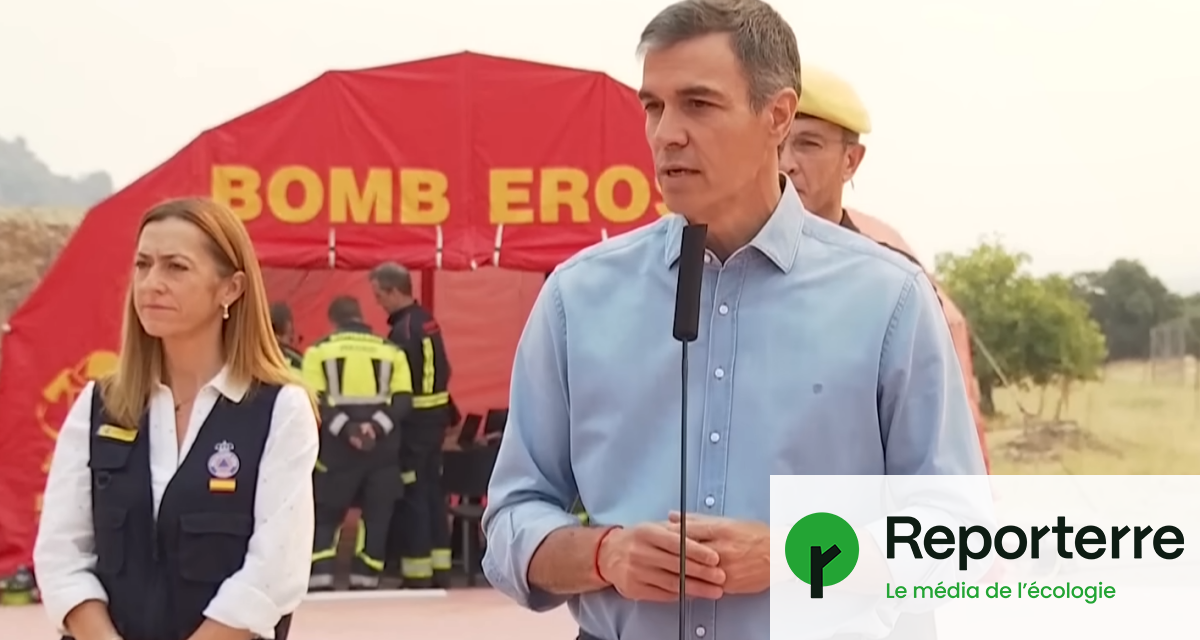
Incendies en Espagne : le Premier ministre Pedro Sánchez appelle à un « pacte d’État » sur l’urgence climatique
Un « grand pacte d’État » sur l’urgence climatique : c’est ce qu’a proposé le Premier ministre espagnol de gauche, Pedro Sánchez, à l’ensemble des acteurs politiques, et notamment au principal parti de l’opposition, le Parti populaire (PP) du libéral—conservateur Alberto Núñez Feijóo. Cette initiative vise à renforcer les moyens et à améliorer la coordination entre régions face aux catastrophes environnementales.
Les inégalités aux Etats-Unis (5/5) : une financiarisation prédatrice
traduction française du billet de blog "Predatory financialization. Understanding Inequality: Part V" de Paul Krugman

Venezuela is a founding member of OPEC. What they are realizing is it is a new world when it comes to oil. "Oil markets would lose a global supply manager that steps in when surpluses emerge, leaving prices more liable to drop and the global petroleum industry more exposed to shocks."

OPEC’s Future Darkens With Venezuela Latest Nation to Mull Exit
www.bloomberg.com