

What the Pentaract is and why does exists.
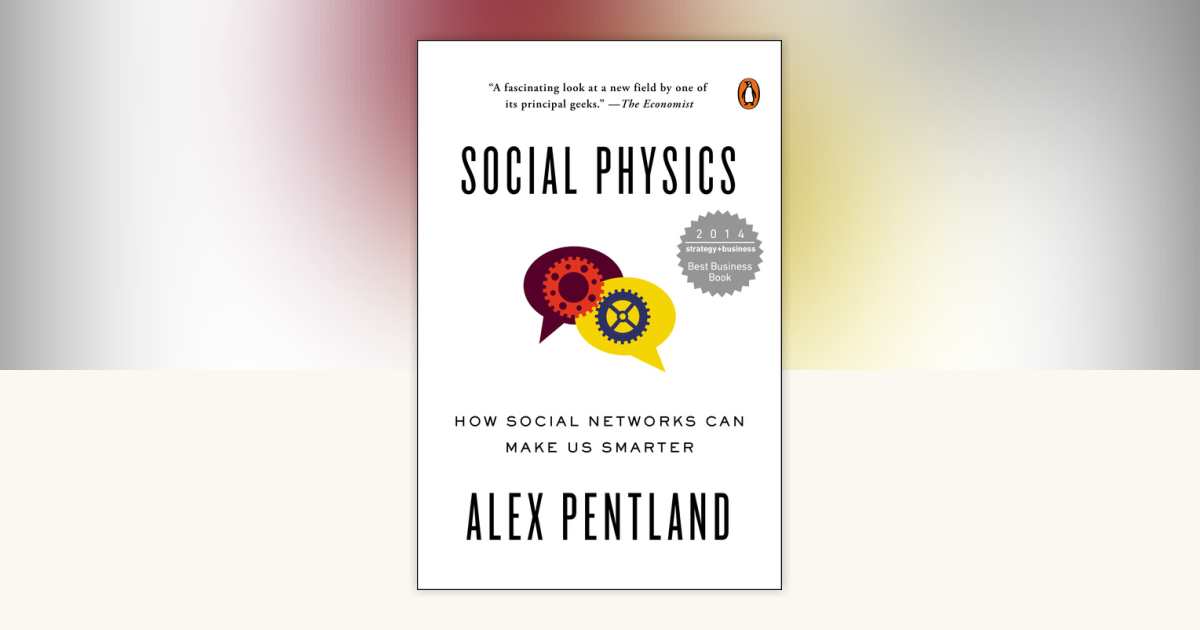
Social Physics by Alex Pentland: 9780143126331 | PenguinRandomHouse.com: Books
From one of the world’s leading data scientists, a landmark tour of the new science of idea flow, offering revolutionary insights into the mysteries of collective intelligence and social influence...


iNaturalist
iNaturalist is a social network for naturalists! Record your observations of plants and animals, share them with friends and researchers, and learn about the natural world.

Konrad Hinsen's blog
Convivial technology was defined by Ivan Illich in his 1973 book "Tools for conviviality" as technology that supports a convivial society, which is a society that strives to grant each of its members as much agency as is possible without infringing on other members' agency. Conviviality is thus about equality, about the absence of dominance relations. Convivial technology is shaped by its users according to their needs, rather than being controlled by entities such as companies or governments, which then derive power over the user base by exercising control.
Why Do We Interface?
In this micro book we look at the past, present, and future of interfaces and how they allow us to utilize information in ways that change what it means to be human.
Steven Vandevelde (@tokono.ma)
It's been a good while since I've written something, but here it is. I wrote a short piece on this malleable version of diffuse.sh that's in alpha. Why did I build this and how, but also, what can you actually do with this thing? How does it relate to Patchwork and Tonk? tokono.ma/essays/diffu...

ATProto explained for a slightly "technical" audience - Foxes
ATProto explained for a slightly "technical" audience - Foxes
Picatrix: A Medieval Treatise on Astral Magic Translated with an introduction by Dan Attrell and David Porreca
A manual for constructing talismans, mixing magical compounds, summoning planetary spirits, and determining astrological conditions, Picatrix is a cornerstone of Western esotericism. It offers important insights not only into occult practices and beliefs but also into the transmission of magical ideas from antiquity to the present. Dan Attrell and David Porreca’s English translation opens the world of this vital medieval treatise to modern-day scholars and lay readers.

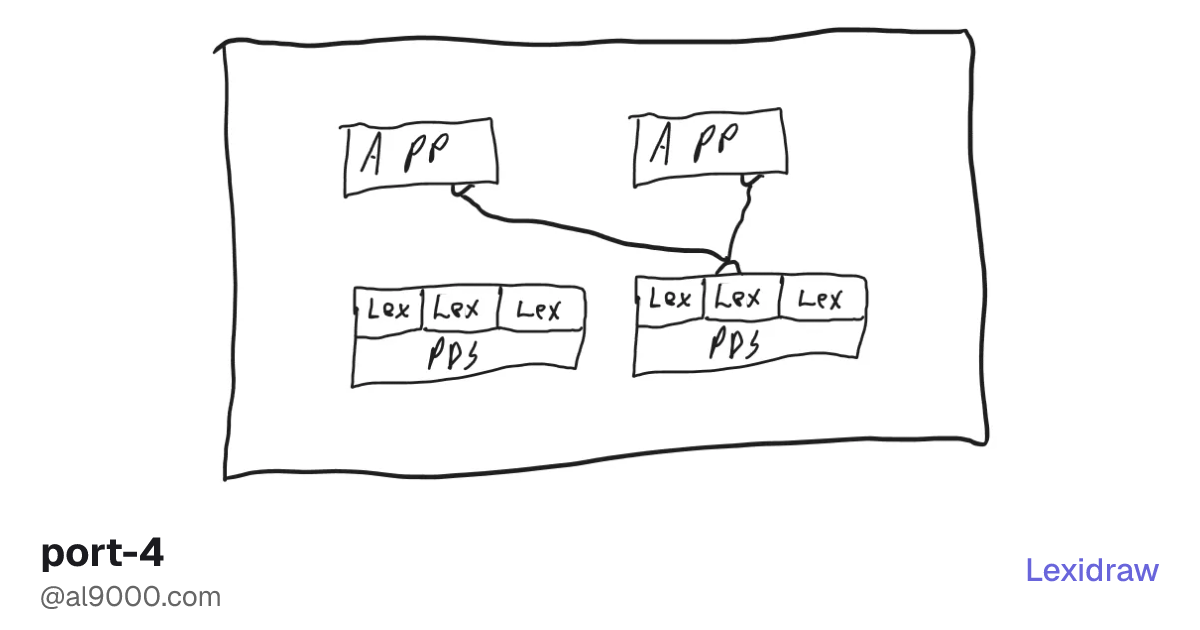
Beyond Applications: Interaction Substrates and Instruments
This summary was generated using automated tools and was not authored or reviewed by the article's author(s). It is provided to support discovery, help readers assess relevance, and assist readers from adjacent research areas in understanding the work. It is intended to complement the author-supplied abstract, which remains the primary summary of the paper. The full article remains the authoritative version of record. Click here to learn more.

About — Every Object an Archive
We interview people about their experiences with technological objects that were once everywhere, but are now being replaced or redesigned. We are interested in the physical experience of living with these objects, their handfeel and relationships to our bodies. We are also interested in how they shaped our habits, relationships, and ways of being. Technologies are more than physical objects: whole worlds of infrastructure, process, policy and culture are built around them.

We had the very first research lexicons call today, to discuss interop & standards for research applications! 🎉 (think @standard.site but for science 🧪) With @mariaa.bsky.social @wesleyfinck.org @aaronstevenwhite.io @byarielm.fyi @ronentk.me Reach out if you want to be part of these discussions!
Cellosophy

Exploring the origins of intelligence and agency, starting with unicellular organisms such as bacteria, choanoflagellates and other protists.

Principles of Minimal Cognition: Casting Cognition as Sensorimotor Coordination
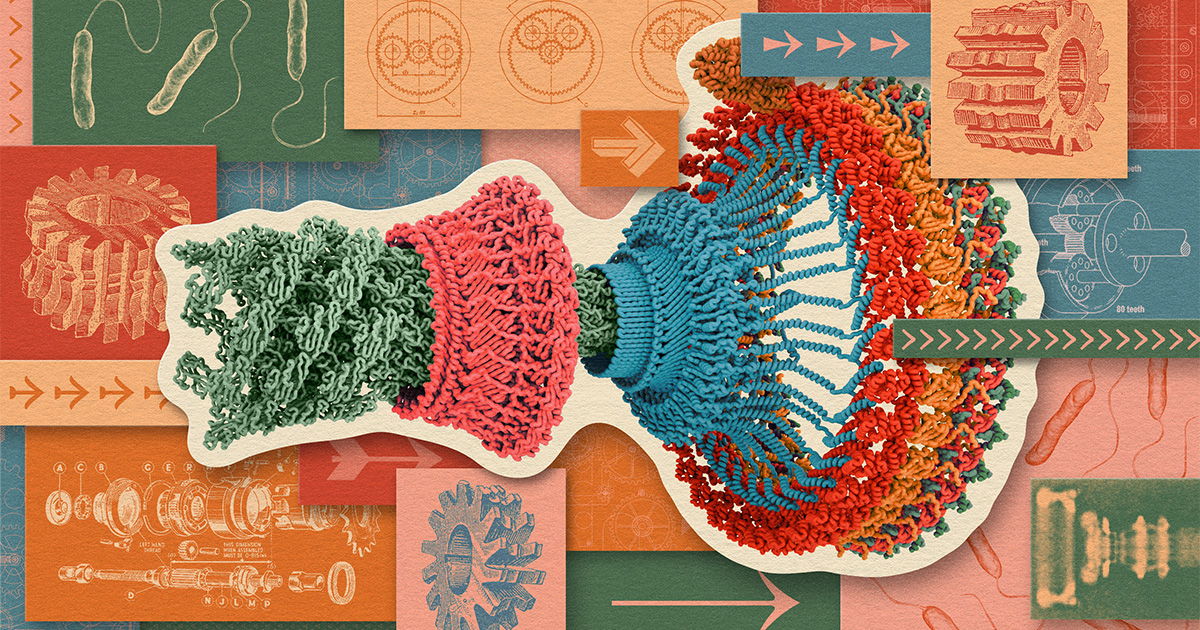
What Physical ‘Life Force’ Turns Biology’s Wheels? | Quanta Magazine
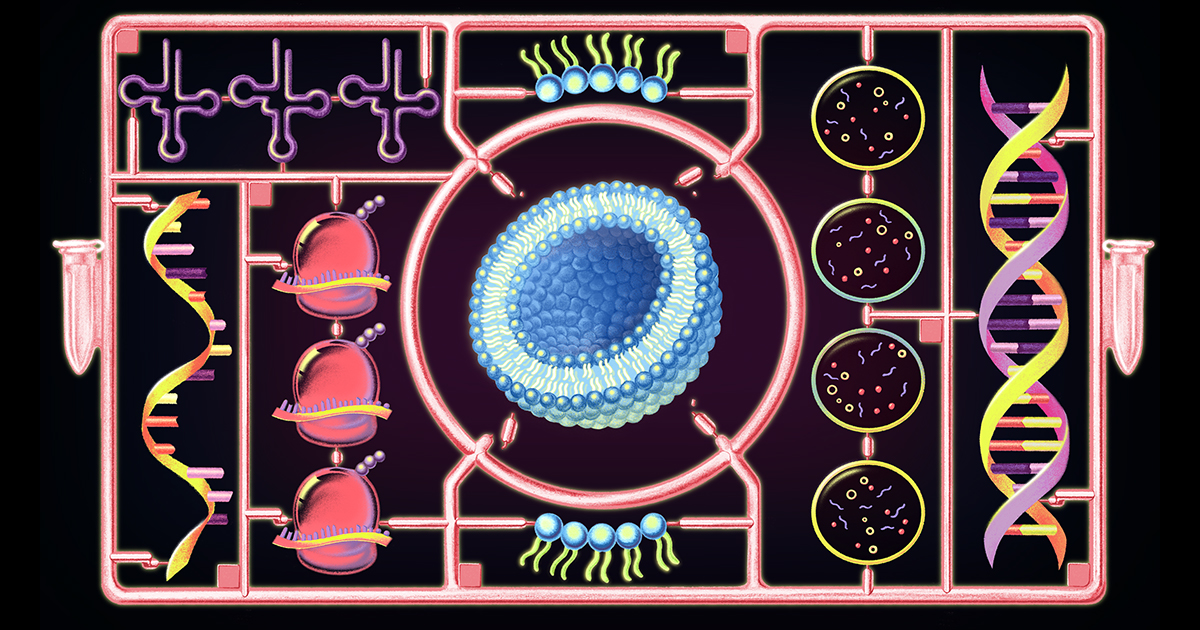
For the First Time, a Cell Built From Scratch Grows and Divides | Quanta Magazine
www.science.org

Cognition without brains? Learning and memory in microorganisms
Learning Outside the Brain: Integrating Cognitive Science and Systems Biology
