

A home for poorly researched ideas that I find myself repeating a lot anyway
What’s the best technology that doesn’t exist yet?
We analyzed 100+ conversations and essays on positive futures to find out
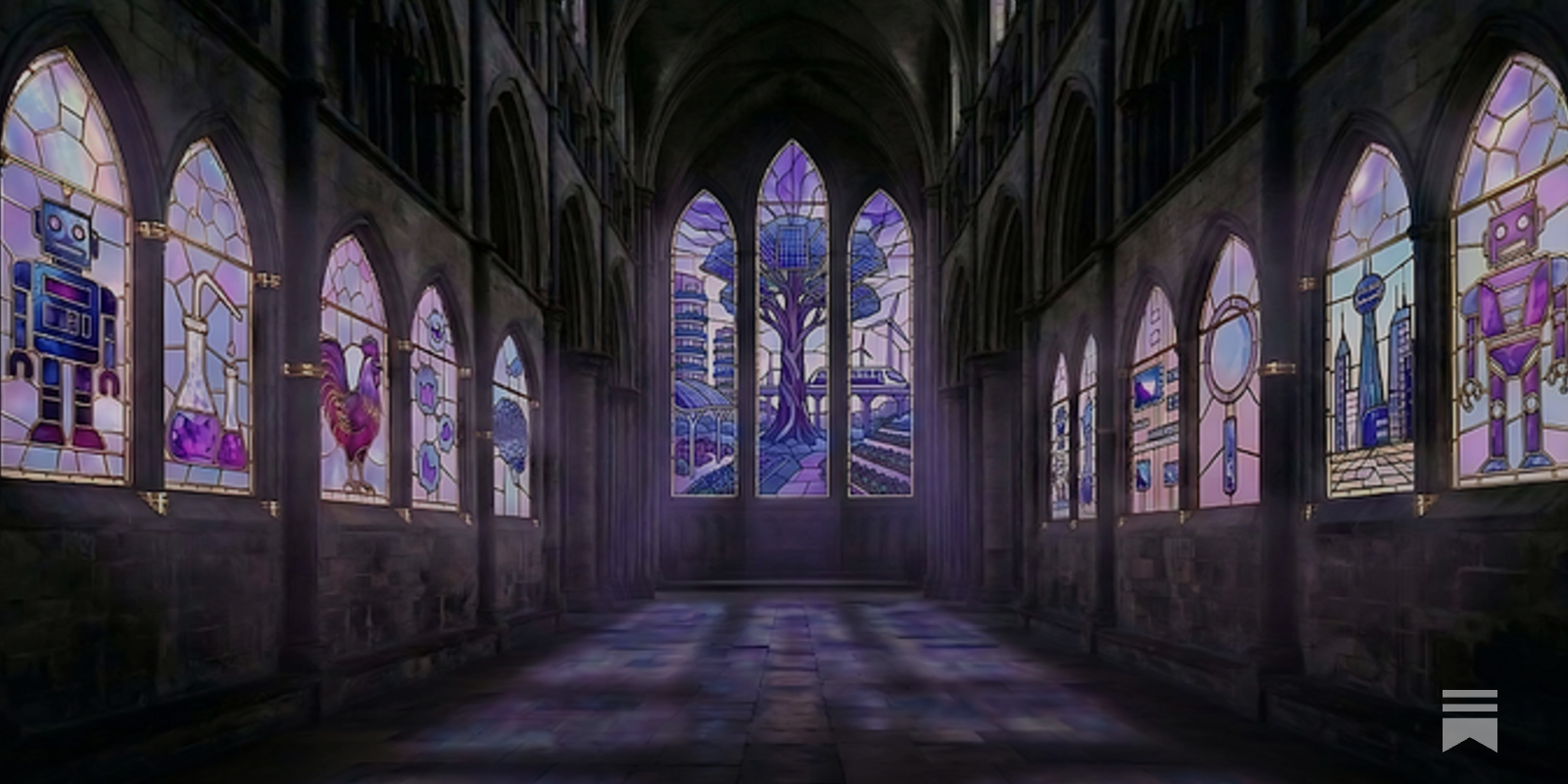
Against the dark forest
The complex of ideas I’m going to call the Dark Internet Forest emerges from mostly insidery tech thinking, but from multiple directions.

The Nature of Technology: What It Is and How It Evolves
Leading scientific theorist W. Brian Arthur puts forth …

Ideas from philosophy I use to think about AI
Physicalism, functionalism, and lots of Quine

War and the lost generation of inventors
Large wars destroy not only lives and infrastructure but also the human capital that fuels long-term economic progress. This column presents new evidence from Britain that shows that communities that lost many young men in World War I experienced persistent declines in subsequent innovation. The losses were particularly detrimental for frontier technologies and breakthrough inventions, highlighting how war can leave long-lasting scars on a country’s capacity to generate new ideas.

100 years of whatever this will be
What if all these weird tech trends actually add up to something? Last time, we explored why various bits of trendy technology are, in my o...
Appropriating Technology | Public Sphere Project — Liberating Voices Pattern Language
Dematerialization, Participatory Design, Techno-Criticism, Intermediate Technologies, Users' IT Quality Network, Wholesome Design for Wicked Problems, Labor Visions, Community Inquiry, Tactical Media
We used to get excited about technology. What happened?
Innovation that truly serves us all is in scarce supply. That’s a problem.

Care at the Edge of Automation – Topos Institute
Technologies don’t just solve problems, they change us. We invent technologies, and they invent us in turn, shaping our lives and worlds. This is the phenomenon that Terry Winograd and Fernando Flores, in Understanding Computers and Cognition (1986), called “ontological design.” It matters now more than ever—along with a second lesson they saw clearly. Technological research is always guided (and sometimes misguided) by deep ontological assumptions about, e.g., the nature of cognition, agency, and communication. If we are to create technologies that truly serve human flourishing and care, we must bring these hidden assumptions into the open and question them at their roots.

Telepath: building a new kind of computer
So, we made a thing: Let’s back up: for as long as I can remember, I’ve been obsessed with computers, fascinated not just by what they can do but what they could become. Like many, I took my early inspiration from science fiction. I dreamed of someday having something like the Enterprise’s computer. And why not? Science fiction has always driven scientists, engineers, and inventors to create real things that change the world.
A People’s History of Tech
A collective storytelling project to build a more representative history that reflects the human impacts of technology.

What's Wrong With This Idea?
One of my favorite questions is: “What’s wrong with this idea?” It drives the conversation away from why the idea is great, and toward finding its flaws. That is invaluable in technology.

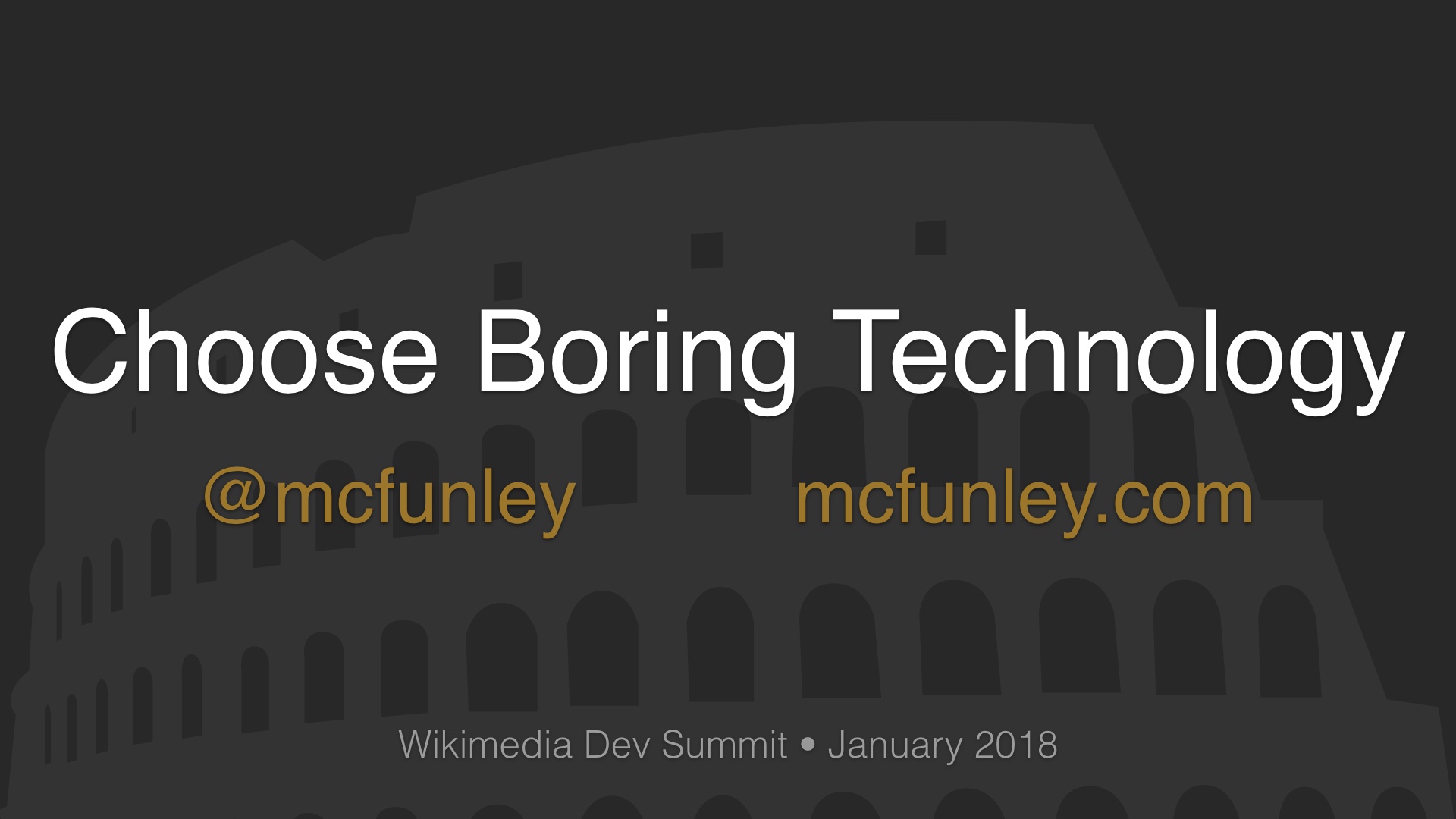
Reddit CTO: Stick to Boring Tech when Building Your Startup
So you have a great idea for the next great startup. What technologies and processes do you use to make

What if technology didn’t feel so… hollow? Some friends and I just released a manifesto about a world where tech leaves us feeling nourished (along with an evolving list of theses about how we can build it) resonantcomputing.org

The Resonant Computing Manifesto
resonantcomputing.org
