The first right of any person in any society must be the right to communicate. Without communication there is no way to safeguard our other rights or for us to participate fully in a society. When …
Declaration of Social Media Rights
Five fundamental rights we need for a free, open, and humane social media ecosystem
It's the (Democracy-Poisoning) Golden Age of Free Speech
At a time when anyone can broadcast live or post their thoughts to a social network, we should be living in a utopia of public discourse. We're not.

The challenges of constitutional silence: Doctrine, theory, and applications
Abstract. In this introduction to our symposium on “Constitutional Silence,” we situate the articles in this collection and explore the significance of the

The Right to Anonymity is Vital to Free Expression: Now and Always
“There are myriad reasons why individuals may wish to use a name other than the one they were born with. They may be concerned about threats to their lives or livelihoods, or they may risk political

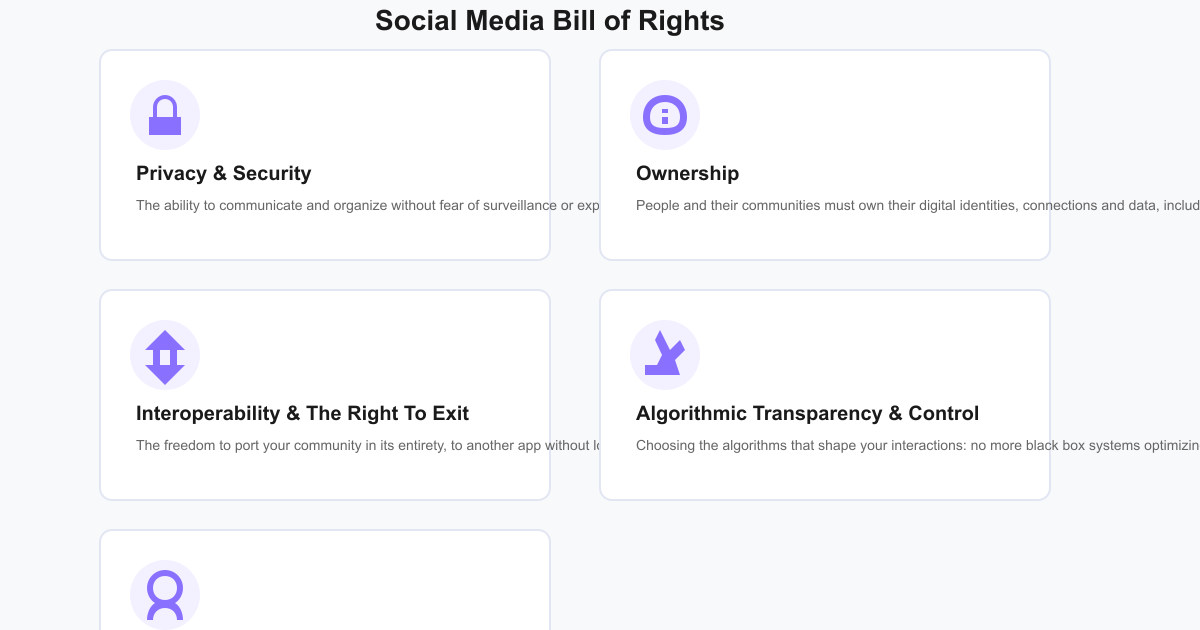
We Deserve Better: A New Social Media Bill of Rights
Earlier this year, I was a part of a CNN documentary, Twitter: Breaking the Bird, which gave me much pause for reflection about the state of social media and how we got here. This year alone weR…

Free Speech on the Internet: The Crisis of Epistemic Authority
Abstract. Much of our knowledge of the world comes not from direct sensory experience, but from reliance on epistemic authorities: individuals or institutions that tell us what we ought to believe. For example, what most of us believe about natural selection, climate change, or the Holocaust comes from our reliance on epistemic authorities (scientists, historians). Sustaining epistemic authority depends, crucially, on social institutions that inculcate reliable second-order norms about whom to believe about what. The traditional media were crucial, in the age of mass democracy, with promulgating and sustaining such norms. The internet has obliterated the intermediaries who made that possible, and, in the process, undermined the epistemic standing of actual experts. This essay considers some possible changes to existing free speech doctrine to remedy the epistemological crisis brought about by the internet.
The Constitution of W – The conversation belongs to humans
Ten articles that guide everything W does: real people, freedom of expression within the law, privacy, independence, and data hosted in Europe.
The Right Wants You Stupid
The eternal quest to preserve the “pleasing illusions” that hold society and its authorities together.

Declaration of Digital Autonomy
We demand a world in which technology is created to protect and empower those who are impacted by it. Our technology must respect the rights and freedoms of those users. We need to take control for the purpose of collectively building a better world in which technology works in service to the good of human kind, protecting our rights and digital autonomy as individuals.
Germany: New government plans 'right to encryption'. | Tuta
The coalition contract of the newly elected German government contains right to encryption.

Mossberg: The tyranny of messaging and notifications
Can we endure even one more communications service?

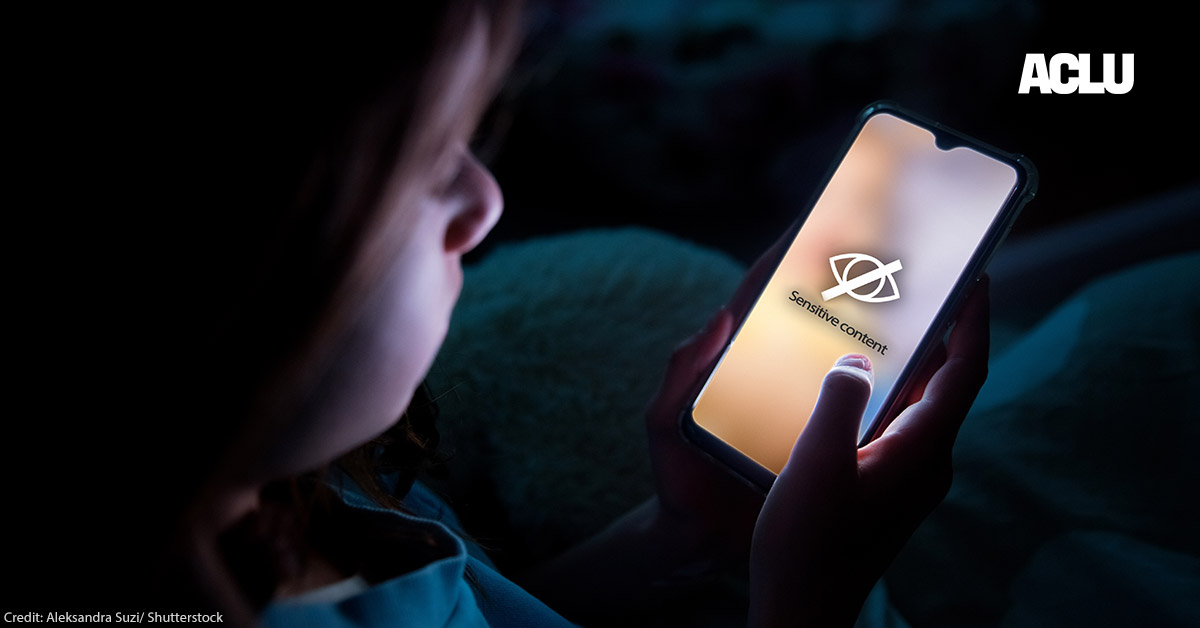
Online Safety Bills Are Fueling a New Wave of Internet Censorship
State and federal bills seek to limit minors’ access to social media, but civil liberties advocates warn that the resulting online censorship threatens constitutional rights without delivering real safety.
How to Protest Safely in the Age of Surveillance
Law enforcement has more tools than ever to track your movements and access your communications. Here’s how to protect your privacy if you plan to protest.

The Freedom to Write
PEN America stands at the intersection of literature and human rights to protect free expression in the United States and worldwide.