


Both chambers of Congress have left town, meaning that FISA Section 702 won’t be reauthorized by the June 12 “deadline”. Even though the lapse is likely to be temporary, it’s still a big deal. This is the first time these authorities have lapsed since they were put in place in 2008 — the year Get FISA Right started. So thanks to all the legislators in both parties who voted “no” … and thanks to all the activists who have gotten involved over the years!
Tell Congress to Say No to Warrantless AI Mass Surveillance
The War on Terror-era legislation that authorized decades of civil liberties-eroding mass surveillance expired June 12. . Congress has a choice to make before they reauthorize this bill: will they greenlight warrantless mass surveillance of American citizens, or uphold the Constitution and prevent more of Trump's authoritarian powergrabs? Section 702 of the Foreign Intelligence Surveillance Act (FISA) was passed in 2008 as a counterterrorist measure, but has a long history of abuse from the federal government, especially when it comes to surveillance. Congress has a choice to make: Will they greenlight warrantless mass surveillance, or hold the line and reject any effort to move forward without serious privacy guardrails. FISA as it is currently written: Allows warrantless backdoor surveillance of people in and out of the country Offers little to no protections against the administration targeting critics, activists, religious minorities, or communities of color Actively chills our freedoms of speech and association Two years ago, this reauthorization legislation sailed through Congress with bipartisan support. That can’t happen again. Democratic leadership and members must hold the line for our civil liberties. And any Democrat or Republican voting for unfettered spying on US citizens should hear from their constituents. Let your Members of Congress know you expect them to reject reauthorization unless it includes significant reforms to protect our civil liberties against this authoritarian regime.

Section 702 of the Foreign Intelligence Surveillance Act (FISA): 2026 Resource Page
The following Brennan Center and coalition resources provide detailed information on Section 702, how it has been used to gain warrantless access to Americans’ communications, proposals for reforming the law, and the 2026 reauthorization process.

Tell Congress: No 702 without real reform
Join us in urging Senators and Representatives to stand up for the Fourth Amendment and protect our privacy!

It’s Back. Congress Gears Up for Year-End Fight Over Moratorium on AI Laws. | TechPolicy.Press
A proposed federal moratorium on enforcement of state AI laws failed last summer, but lawmakers have resurrected the idea, writes Cristiano Lima-Strong.
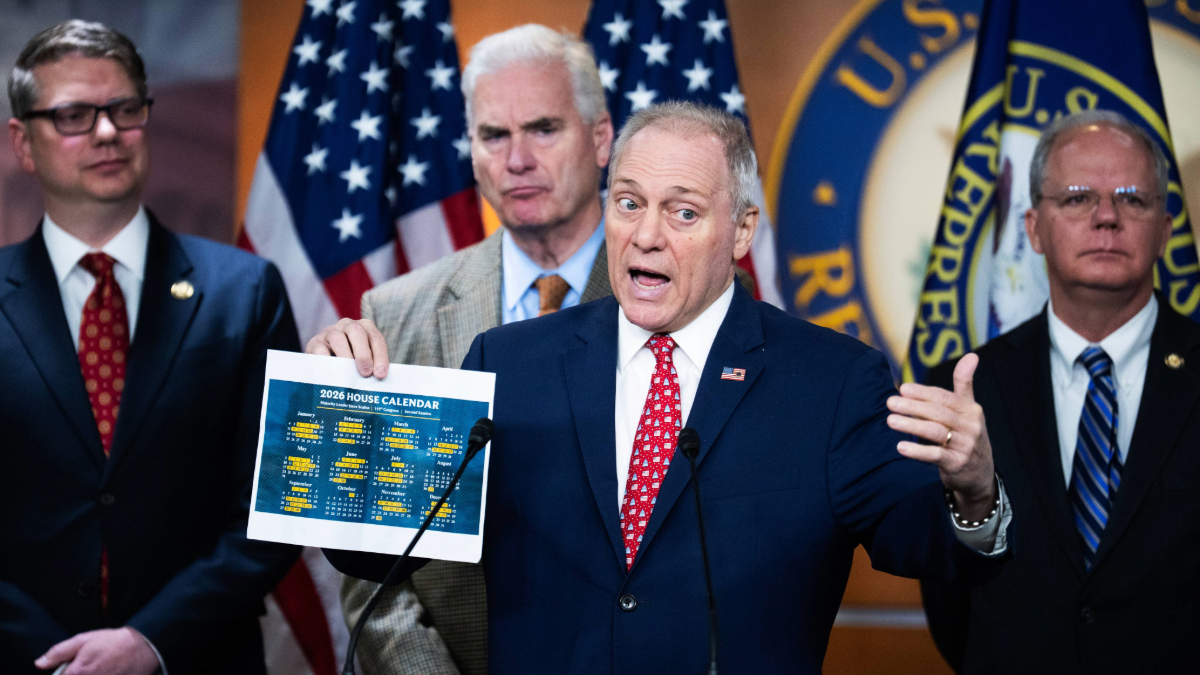
The Lawful Access Two-Headed Surveillance Monster: How Bill C-22 Went Off the Rails - Michael Geist
The government’s plans for lawful access have gone off the rails. In recent days, Signal has warned it would pull out of the Canadian market rather than comply with Bill C-22. Windscribe, the Toronto-headquartered VPN provider, has said it would relocate its headquarters out of Canada and NordVPN has warned it would consider following suit. Apple and Meta have both raised public concerns about the bill’s effect on encryption and cybersecurity. The Canadian Chamber of Commerce, the Cybersecurity Advisors Network, civil liberties groups, and a long line of legal and security experts have all called for changes. The chairs of the U.S. House Judiciary and Foreign Affairs Committees have written to Public Safety Minister Gary Anandasangaree warning that the bill threatens U.S. national security and the integrity of cross-border data flows. Even the bill’s own oversight body, the National Security and Intelligence Review Agency, has told the SECU committee it does not have the access it needs for effective oversight. If the government thought it could push through the bill largely unnoticed, it has been proven painfully wrong as there are now trade frictions with the U.S., the prospect of leading companies exiting the Canadian market, and weaker cybersecurity protections for ordinary users. How did Canada’s lawful access plan go awry so quickly?

Big STELLAR WIND Energy
With the mass-surveillance authorities of Section 702 on the verge of expiration, the chairman of the Senate intelligence committee has some suggestions for post-expiration continuity
📣 Take Action: Reform Section 702: End mass warrantless surveillance
Make an impact with guided actions from Freedom of The Press Foundation.
Stop Bill C-22. Stop surveillance in Canada.
Make your voice heard! Explore the Justice Centre's petitions advocating for Canadian rights and freedoms. Join fellow citizens in supporting important causes.
Interrogating Justice
Site will be available soon. Thank you for your patience!
Maine Is Close to Passing a Moratorium on New Datacenters
The proposed legislation would be the first of its kind passed in the country, but there are similar bills popping up everywhere this year.

Found fast, fixed slow: The gap the AI clearinghouse must close
Trump's executive order gave agencies 30 days to build an AI cybersecurity clearinghouse. HackerOne's Ilona Cohen on why patching, not scanning, must come first.

The Kavanaugh Stop’s Legacy: 50 Days, 170+ Detained Citizens, Zero Answers
It was just last month that Brett Kavanaugh gave his explanation for why it was perfectly okay for Homeland Security goons to profile brown people and detain them based on nothing more than the col…

OpenAI’s models broke free and launched a cyberattack. Congress wants new rules before it happens again.
The first fully autonomous breach by OpenAI’s most powerful AI models has prompted a bipartisan push for stronger oversight over increasingly powerful artificial intelligence models.

We Shouldn’t Wait Another Fifteen Years for a Conversation About
With high-profile hacks in the headlines and government officials trying to reopen a long-settled debate about encryption, information security has become a mainstream issue. But we feel that one

Lawful-access bill could threaten encryption, deter investment, Chamber of Commerce warns
Bill would require telecoms, internet companies to change systems to give surveillance, monitoring capabilities to authorities

DHS Criminal Agents - 7/20/26 Update
