

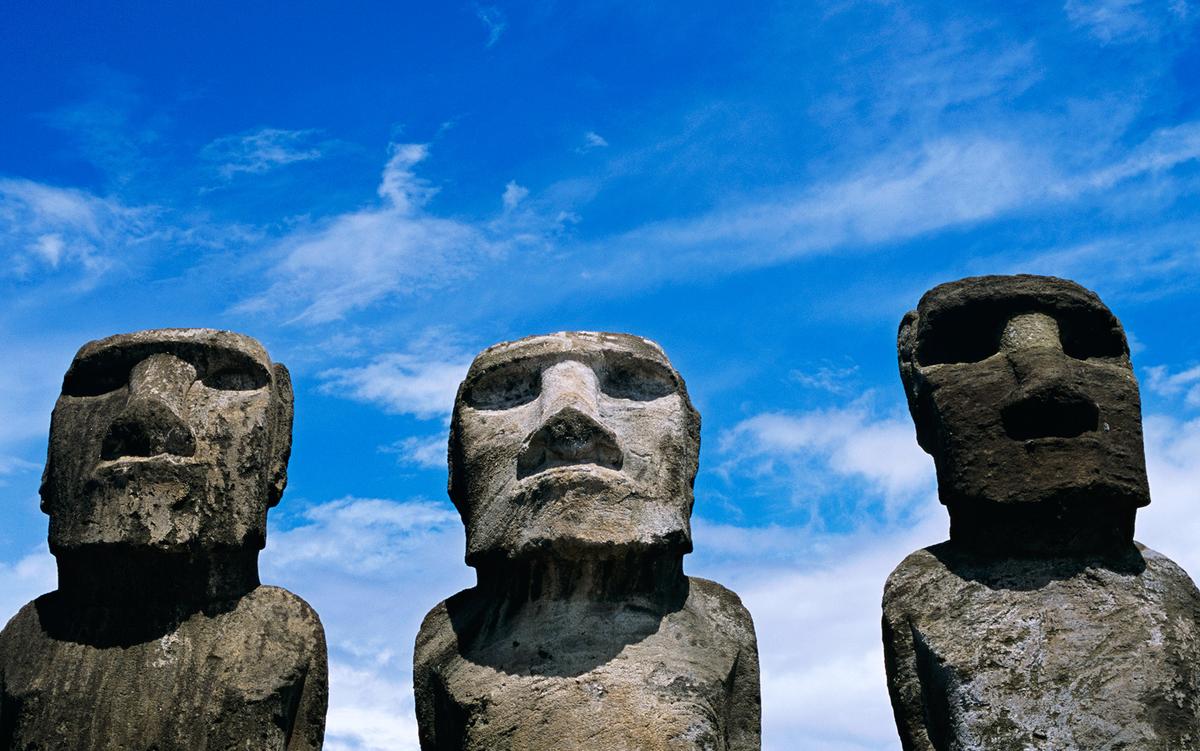
The idea that the Maya or Easter Islanders experienced an apocalyptic end makes for good television but bad archaeology
The great myth of empire collapse | Aeon Essays
Societal downfalls loom large in history and popular culture but, for the 99 per cent, collapse often had its upsides
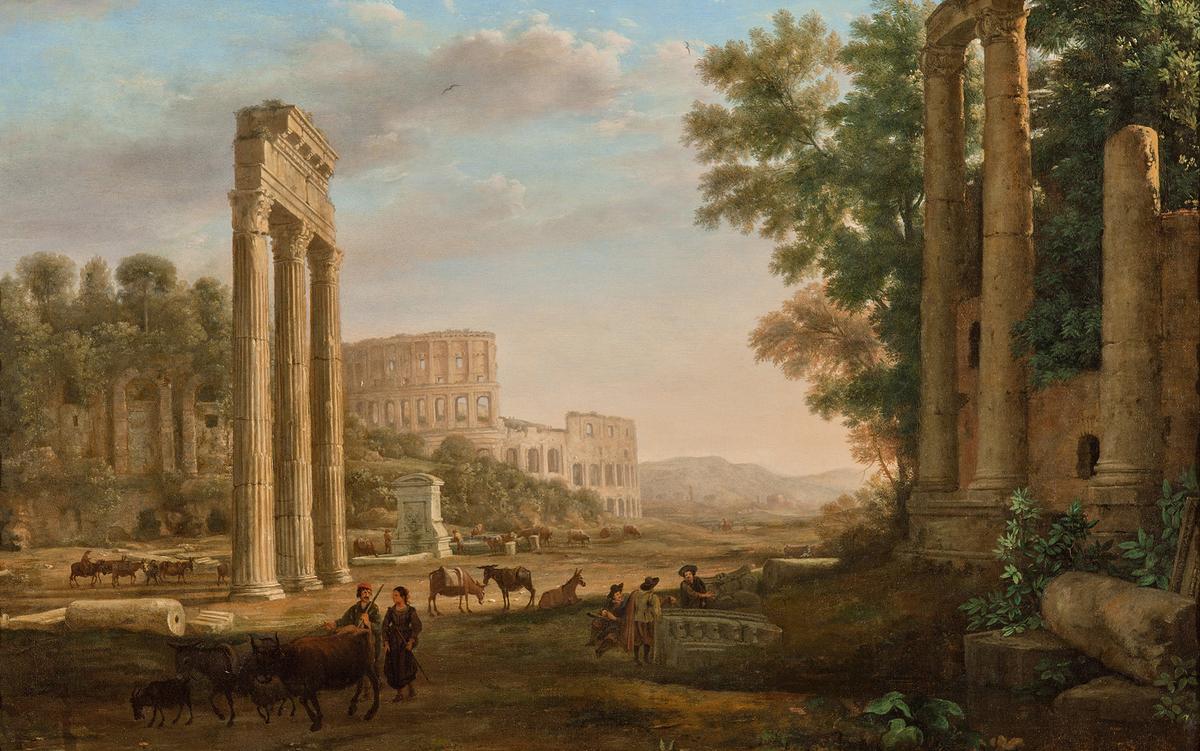
‘Self-termination is most likely’: the history and future of societal collapse
An epic analysis of 5,000 years of civilisation argues that a global collapse is coming unless inequality is vanquished

Lost civilisations make good TV, but archaeology’s real stories hold far more wonder | Flint Dibble
I took on a pseudoscientist because misinformation about history too often goes unchallenged

Are we on the road to civilisation collapse?
Studying the demise of historic civilisations can tell us about the risk we face today, says collapse expert Luke Kemp. Worryingly, the signs are worsening.
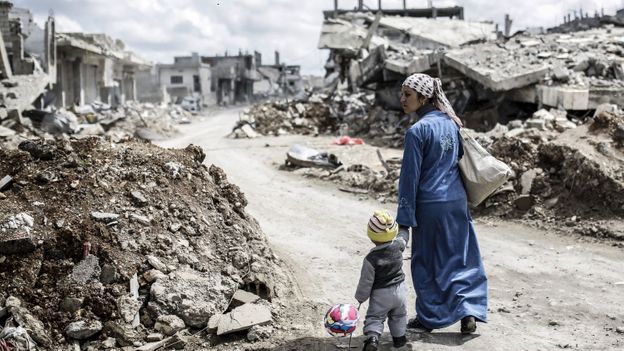
Rebooting Civilization: Survivors’ How-to Guide for Restoring Technology after the Apocalypse [Excerpt]
In his new book, astrobiologist Lewis Dartnell compiles the knowledge necessary for society to recover after a devastating disaster, including the basics of taking photographs

Goliath's curse: the history and future of societal collapse
A vast and unprecedented survey of societal collapse -- stretching from the Bronze Age to the age of silicon -- that digs through the ruins of fallen societies to understand the root causes of their downfall and the most dire consequences for our future. Stepping back to look at our precariously interdependent global society of today -- with the threat of nuclear war ever present and the world heating up faster than it did before the Great Permian Extinction, which wiped away 80-90 percent of life on Earth -- one couldn't be blamed for asking : Will we make it? Addressing this question with the seriousness it demands, Cambridge scholar Luke Kemp conducts a historical autopsy that stretches across five millennia, and more than 440 societal lifespans, from the first Egyptian dynasty to the modern-day United Kingdom, using the latest discoveries from archaeology and anthropology to reveal profound and often counterintuitive insights into why exactly societies fail. While books like Jared Diamond's Collapse zoom in on only a few case studies, Kemp's embrace of a 'deep systems' approach, availing himself of the largest dataset possible, allows him to discover the broader trends, and deeper causes, of collapse that pose future risks -- without abandoning the gripping historical narratives that bring these pages alive. Goliath's Curse is a stark reminder that there are both bright and dark sides to societal collapse -- that it is not necessarily a reversion to chaos or a dark age -- and that making a more resilient world may well mean making a more just one

The Joy of Becoming Worthless…except to each other — Douglas Rushkoff
My last piece, The Intentional Collapse, seems to have agitated a few people. I know it came off a bit dark. I talked about how the Uber wealthy believe the world as we know it is ending and that there won’t be enough essential resources to go around, so they need to take control of as much money and stuff and land as possible in order to position themselves for the end of days.
Deep Adaptation opens up a necessary conversation about the breakdown of civilisation
Many scientists say that societal collapse is now a likely outcome. We must prepare for this possibility and not deny its plausibility.
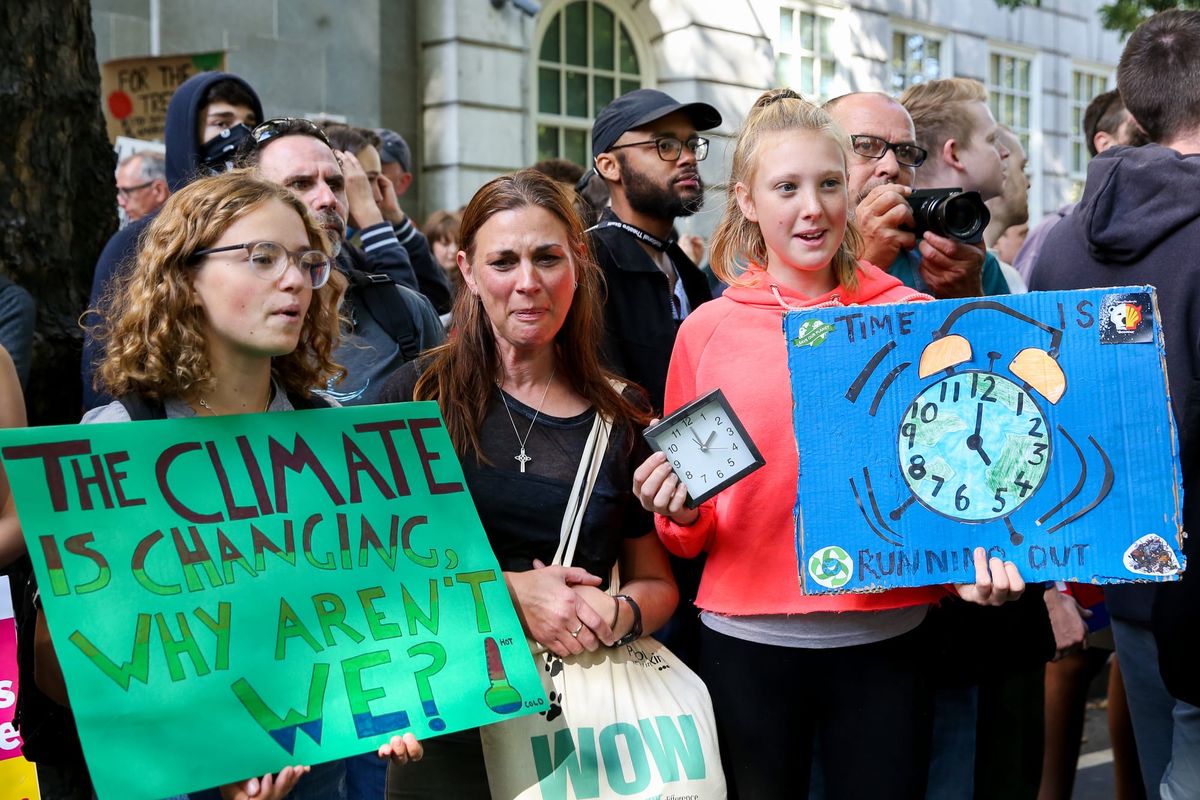
Radical Futurisms: Ecologies of Collapse, Chronopolitics, and Justice-to-Come
Ecologies of Collapse, Chronopolitics, and Justice-to-Come
The Strange and Dangerous Right-Wing Freakout Over Ancient Apocalypse
How a Netflix series about the hunt for the lost city of Atlantis became yet another front in the culture war—and the latest example of elite conservatives going weird.

Governance Archaeology: Research as Ancestry
Abstract. This essay presents the idea of governance archaeology, an approach to learning from the past to inform the politics of the future. By reporting on a prototype historical database, we outline a strategy for co-producing a global commons of collective governance practices that can inspire institutional learning and experimentation, particularly in the face of rapid technological change and vexing global crises. Embedded in our approach is an orientation of ancestry whereby practitioners cultivate relationships of accountability and responsibility to the legacies they learn from, recognizing the harm from past patterns of exploitation. By taking seriously a wide range of historical governance practices, particularly those outside the Western canon, governance archaeology seeks to expand the options available for the design of more moral political economies.
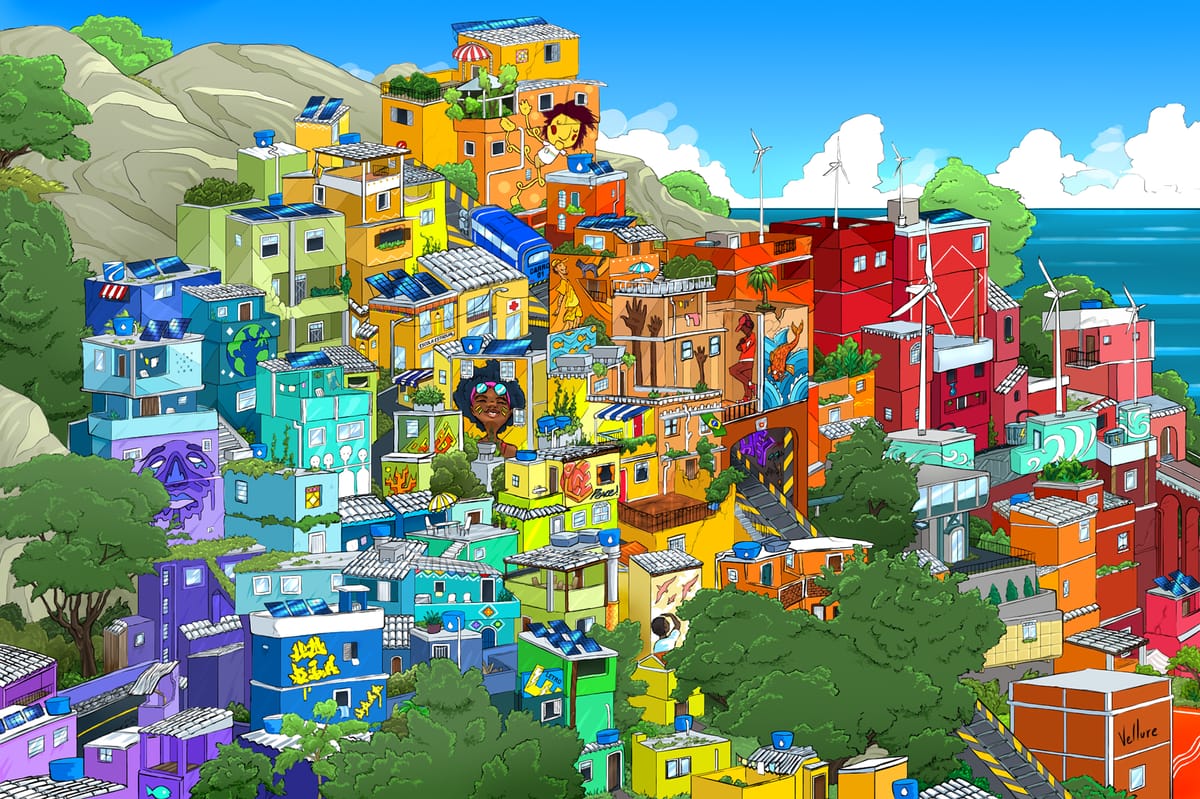
Village-scale resilience
The end-of-the-world already happened, it's just not evenly distributed. But with every end is a new beginning.
HOME - Daniel Schmachtenberger
EXPLORATIONS ON THE FUTURE OF CIVILIZATION Some of the central questions being explored here: With the first fully globalized civilization, how do we avoid the collapse fate that has befallen all previous civilizations? What are effective types of immune systems for identifying and correcting corruption in governance systems? How do we comprehensively disincentivize misinformation and harm to … HOME Read More »

A blog by Josh Cogliati: Public Domain Books to Restart Computer Technology
CollapseOS is a project to make an operating system and tools that can help restart technology after a civilization collapse: https://collap...
Collapse — Oakland Public Library
Collapse — Dallett, Cassandra, — <p>COLLAPSE is a doomed love, temporary, free on bond, haunted by rage and regret, fueled by Hip-Hop beats, and clinging like the remains of the Ghost Ship fire--with the world burning around us, it is time and place, politics and anarchy, connection for the broken.</p><p>Poetry. California Interest.</p>
