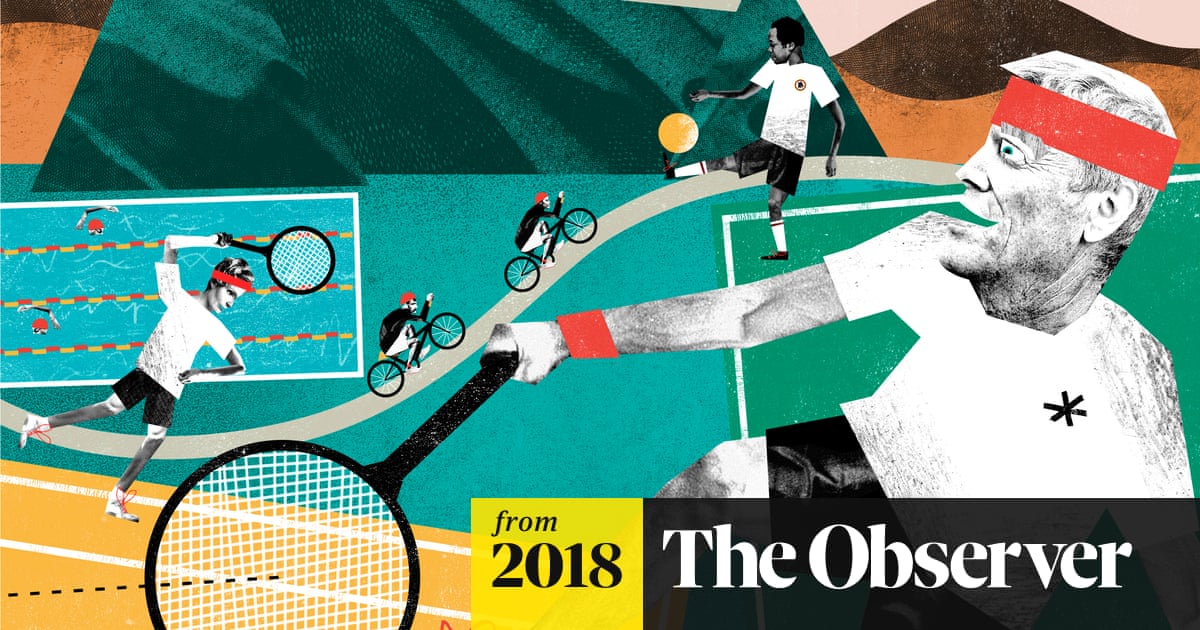
Creaking knees, stiff back, dodgy shoulders… Age is no friend to the human body. So how are veteran athletes like Roger Federer and Jo Pavey still at the top of their game? And what can you do to keep up?
How Exercise Can Keep Aging Muscles and Immune Systems ‘Young’ (Published 2018)
Older cyclists are not like most of the rest of us. They are healthier. They are, biologically, younger.

The Best Exercise for Aging Muscles (Published 2017)
Certain kinds of exercise may mitigate the effects of aging at the cellular level.

A longevity expert says these are the three exercises we should all be doing regularly
Use these three multi-muscle exercises to build full-body strength and boost longevity
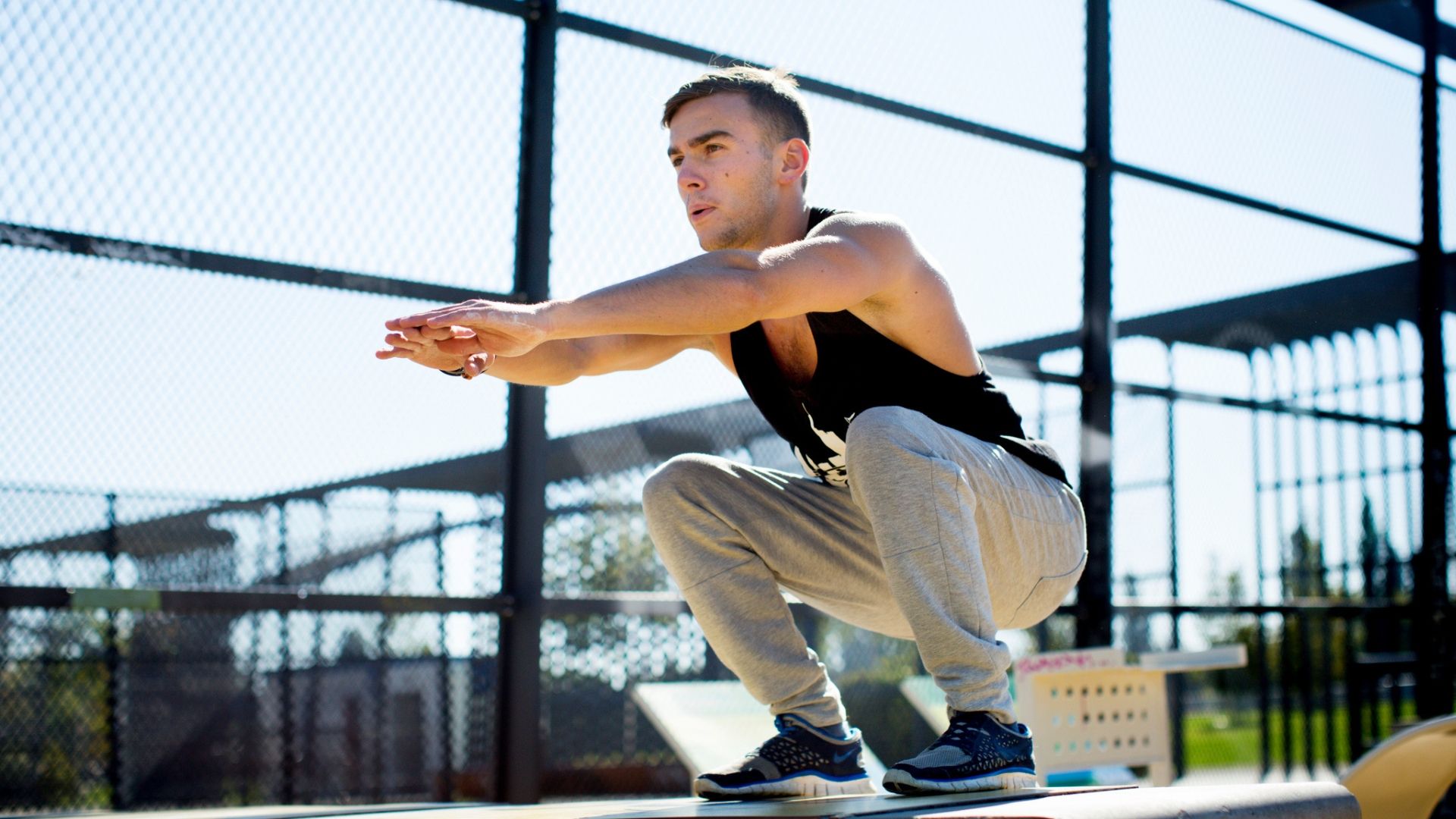
Rebuilding Mum & Dad: See them Transform with 9 Months of Strength Training in their 80s!
A Single Exercise Session May Slow Cancer Cell Growth, Study Finds - Slashdot
The Washington Post notes that past research "indicates that exercise helps some cancer survivors avoid recurrence of their disease." But a new study "offers an explanation of how, showing that exercise changes the inner workings of our muscles and cells, although more study is still needed..." T...
How Cycling Solved Sleep | Defector
AURILLAC, France — Is the Tour de France the most competitive sleep environment in sports? “Probably, yeah,” answered Dr. Jon Greenwell, EF-Education EasyPost’s Head Doctor when I asked him. Every athlete needs to recover, though the demands on professional cyclists at the biggest race in the sport are unique. Riders have to be fresh every…
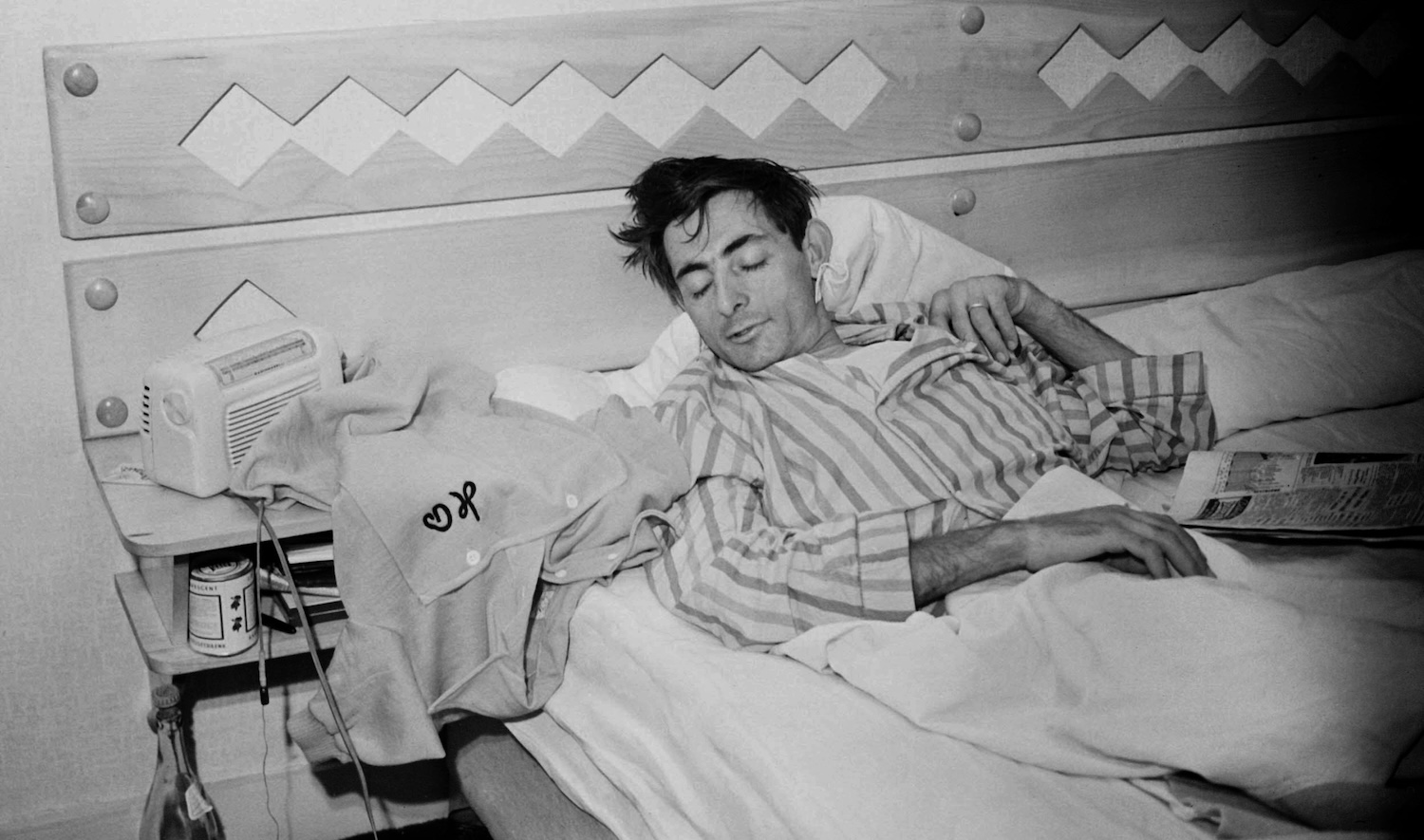
Why Roger Federer is a GOAT: an account of sporting genius
Why is Roger Federer a GOAT (‘Greatest of All Time’) of tennis? I argue that the correct response goes beyond statistics and style of play; instead, it is due to the fact that Federer embodies the ...
Why Your Brain Needs More Downtime
Research on naps, meditation, nature walks and the habits of exceptional artists and athletes reveals how mental breaks increase productivity, replenish attention, solidify memories and encourage creativity

Expert consensus on skill acquisition in sport: A Delphi study
Skill acquisition is a rapidly evolving field in sport, but its definitions, roles and professional practices remain inconsistently articulated. Despite growing recognition of its importance, there...
Use it or lose it: How cognitive skills change with age
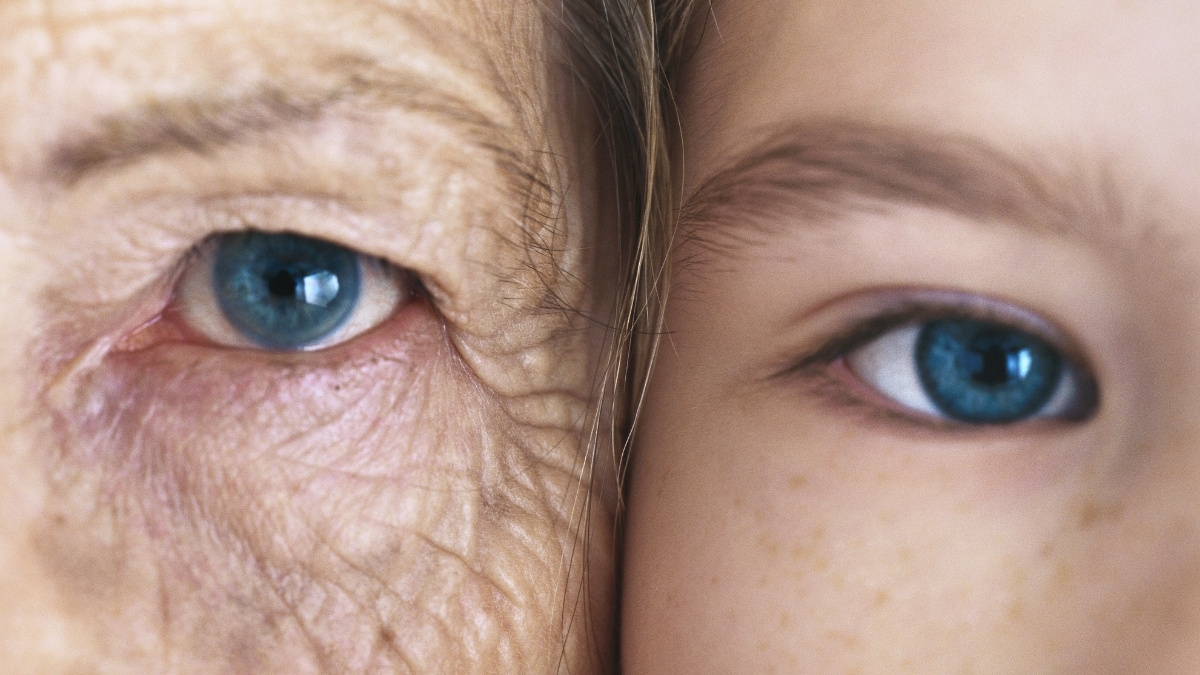
Cognitive skills are commonly assumed to begin deteriorating from the age of 30, which could pose a significant challenge for rapidly ageing populations. But this assumption relies largely on cross-sectional data that cannot distinguish between ageing patterns and cohort differences. Using German longitudinal data, this column finds that skills, on average, increase markedly into one’s 40s before decreasing slightly in literacy and more severely in numeracy. In addition, skills decline at older ages only for those with below-average skill usage, outlining a clear policy pathway for avoiding skill declines.

Low on energy? A new understanding of rest could help revitalise you
There is a state of relaxation that few of us spend much time in, but which comes with profound well-being benefits. With healthier ageing, reduced risk of disease and feeling more energised all on offer, here's how to get there

Study Finds Humans Age Faster at 2 Sharp Peaks – Here's When to Expect Them
You're in for a bumpy ride.
Home Field Advantage — Oakland Public Library
Home Field Advantage — Brekke-Miesner, Paul — In Home Field Advantage, historian Paul Brekke-Miesner examines why one relatively small American city produced not only an amazing number of professional athletes but individuals who changed the landscape of sports in America.--back cover.
The esports pipeline problem
Unlike regular sports, esports are missing a formal process for turning amateur players into professionals. We look into why

Trade
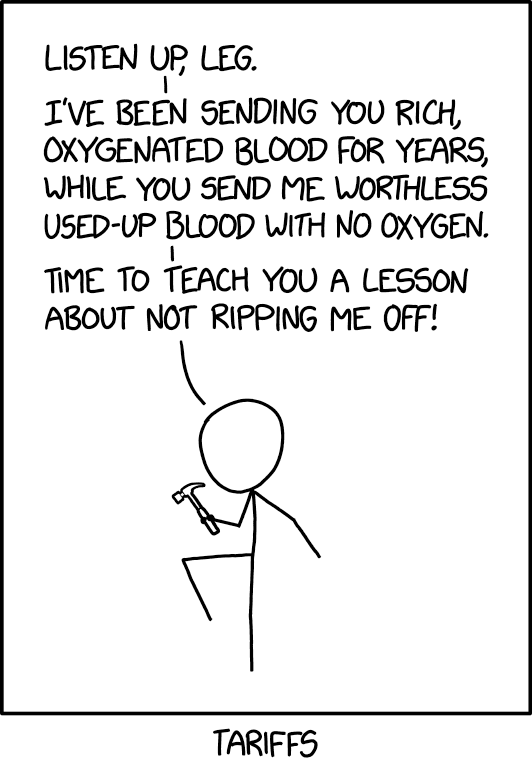
"You legs may have a comparative advantage at running, but we arms have a competitive advantage at swinging hammers, so unless you accept that we're the dominant limbs and stop hogging the oxygen, that running advantage won't be around for long."
Adults Lose Skills to AI. Children Never Build Them.
Discussions of cognitive offloading often miss a critical distinction: What AI does to a 45-year-old's brain is categorically different from what it does to a 14-year-old's.