


What you eat changes how you feel. These foods are the best for your brain
The Food That Helps Battle Depression
The right kind of diet may give the brain more of what it needs to avoid depression, or even to treat it once it’s begun.

Depression link to processed food
Eating a diet high in processed food increases the risk of depression, research suggests.
Gut Bacteria Signature Shows Link to Depression
The first population-level study on the link between gut bacteria and mental health identifies specific gut bacteria linked to depression and provides evidence that a wide range of gut bacteria can produce neuroactive compounds. Jeroen Raes (VIB-KU Leuven) and his team published these results today in the scientific journal Nature Microbiology.<br /><br />

The link between our food, gut microbiome and depression
A new study takes an important step forward in understanding the link between the gut bacteria, what we eat and how we feel

Role of diet and its effects on the gut microbiome in the pathophysiology of mental disorders
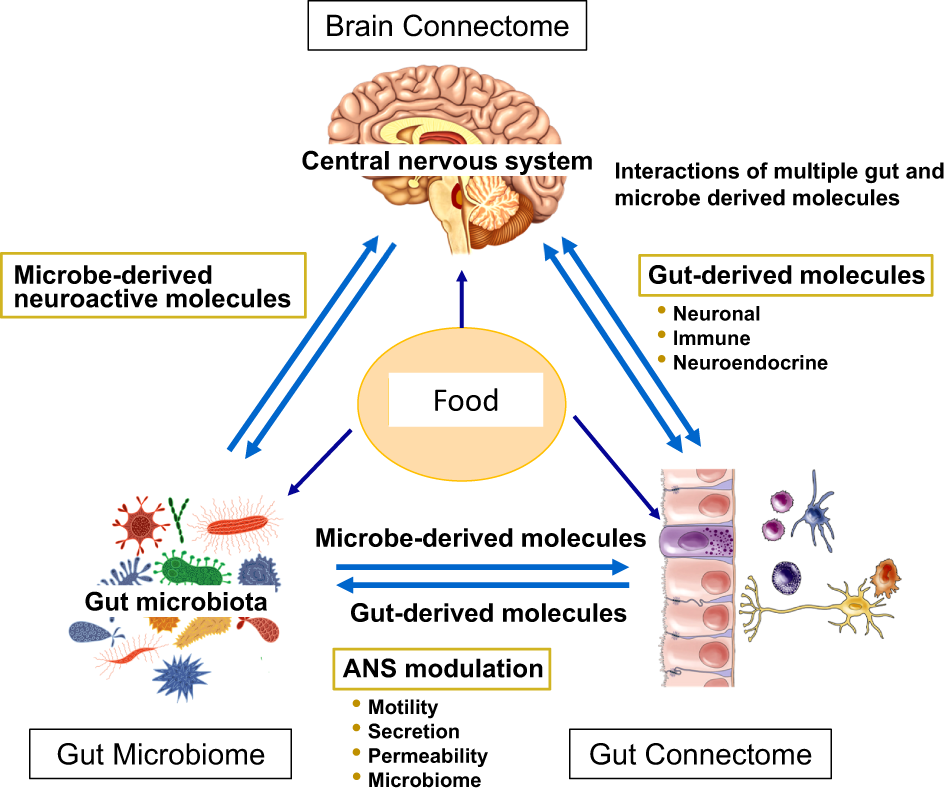
There is emerging evidence that diet has a major modulatory influence on brain-gut-microbiome (BGM) interactions with important implications for brain health, and for several brain disorders. The BGM system is made up of neuroendocrine, neural, and immune communication channels which establish a network of bidirectional interactions between the brain, the gut and its microbiome. Diet not only plays a crucial role in shaping the gut microbiome, but it can modulate structure and function of the brain through these communication channels. In this review, we summarize the evidence available from preclinical and clinical studies on the influence of dietary habits and interventions on a selected group of psychiatric and neurologic disorders including depression, cognitive decline, Parkinson’s disease, autism spectrum disorder and epilepsy. We will particularly address the role of diet-induced microbiome changes which have been implicated in these effects, and some of which are shared between different brain disorders. While the majority of these findings have been demonstrated in preclinical and in cross-sectional, epidemiological studies, to date there is insufficient evidence from mechanistic human studies to make conclusions about causality between a specific diet and microbially mediated brain function. Many of the dietary benefits on microbiome and brain health have been attributed to anti-inflammatory effects mediated by the microbial metabolites of dietary fiber and polyphenols. The new attention given to dietary factors in brain disorders has the potential to improve treatment outcomes with currently available pharmacological and non-pharmacological therapies.
Psychiatry and Inflammatory Conditions
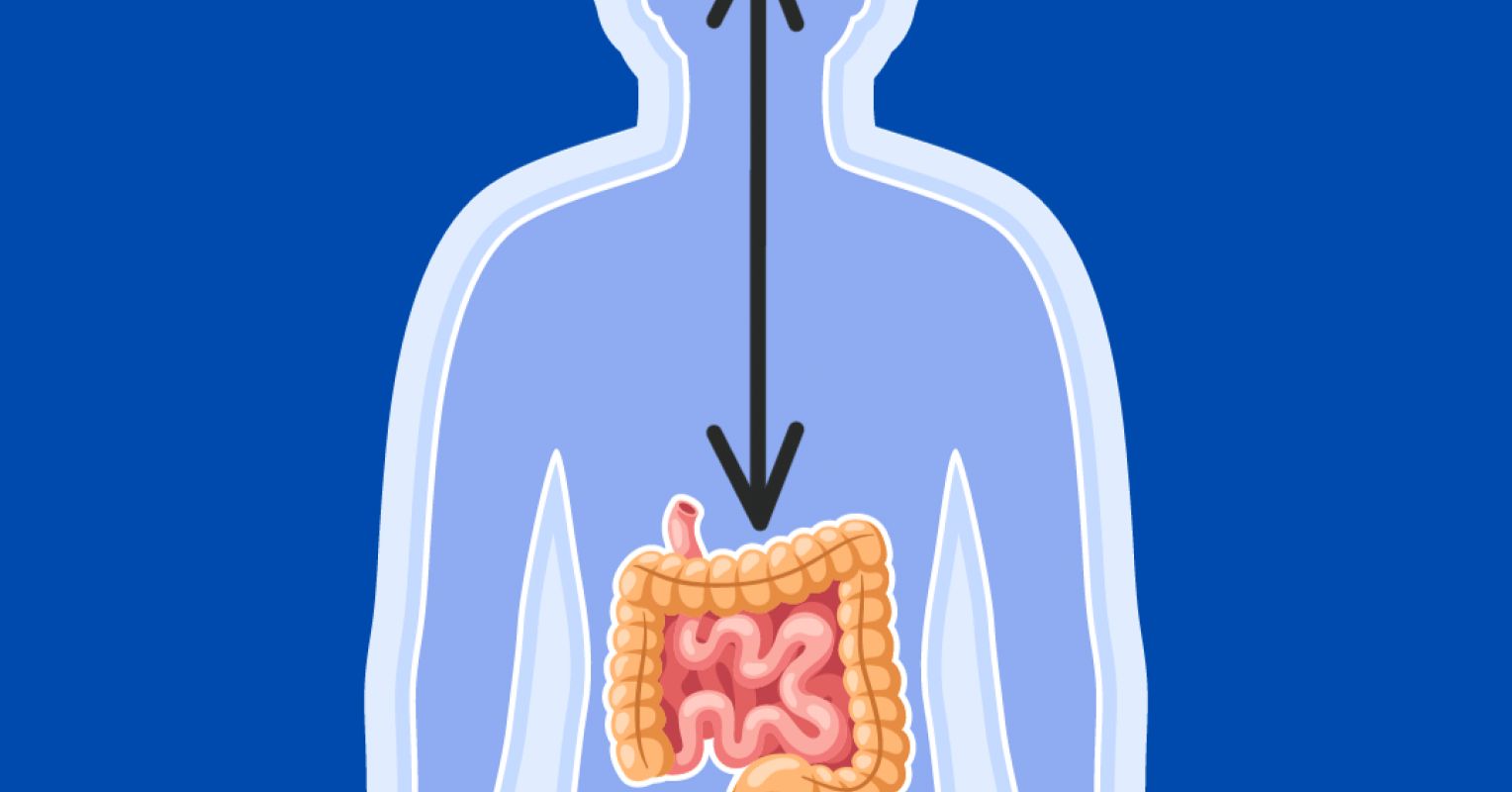
Diet and gut health are essential components of mental health, and the gut-brain axis has progressed from an esoteric concept to a popular one.
Gut bacteria may have impact on mental health, study says
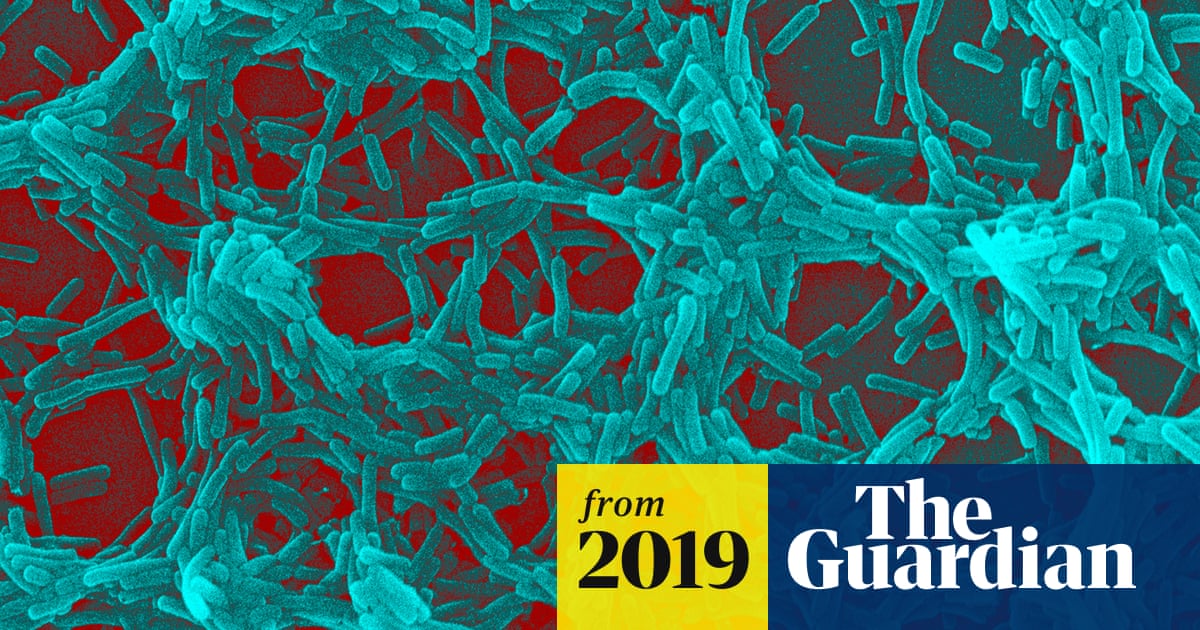
Research opens door to possible treatments for depression based on probiotics
Depression doesn't shrink the brain like we thought it did | New Scientist
For the past decade, depression has been linked to a shrunken hippocampus, which has a vital role in memory. But a large study using up-to-date scanning techniques suggests this may not be the case

Sugar intake from sweet food and beverages, common mental disorder and depression: prospective findings from the Whitehall II study
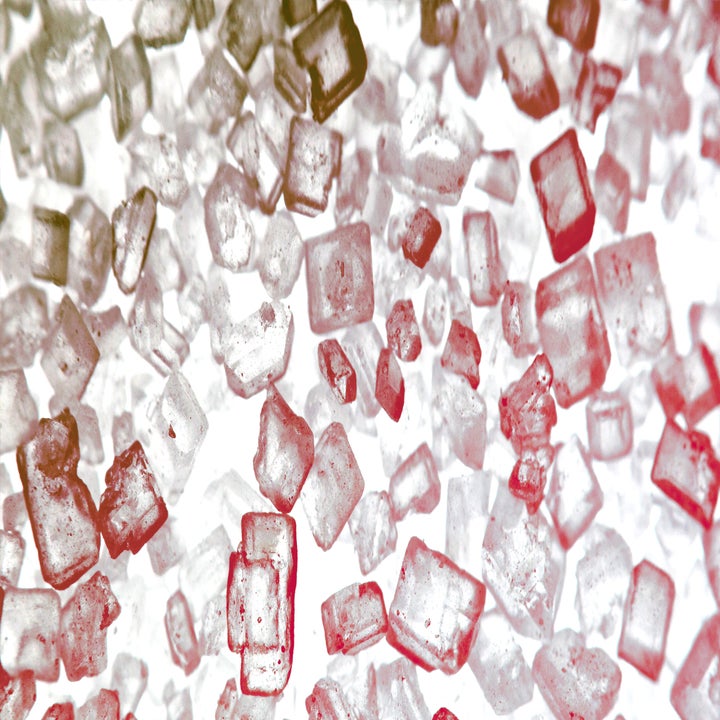
Intake of sweet food, beverages and added sugars has been linked with depressive symptoms in several populations. Aim of this study was to investigate systematically cross-sectional and prospective associations between sweet food/beverage intake, common mental disorder (CMD) and depression and to examine the role of reverse causation (influence of mood on intake) as potential explanation for the observed linkage. We analysed repeated measures (23,245 person-observations) from the Whitehall II study using random effects regression. Diet was assessed using food frequency questionnaires, mood using validated questionnaires. Cross-sectional analyses showed positive associations. In prospective analyses, men in the highest tertile of sugar intake from sweet food/beverages had a 23% increased odds of incident CMD after 5 years (95% CI: 1.02, 1.48) independent of health behaviours, socio-demographic and diet-related factors, adiposity and other diseases. The odds of recurrent depression were increased in the highest tertile for both sexes, but not statistically significant when diet-related factors were included in the model (OR 1.47; 95% CI: 0.98, 2.22). Neither CMD nor depression predicted intake changes. Our research confirms an adverse effect of sugar intake from sweet food/beverage on long-term psychological health and suggests that lower intake of sugar may be associated with better psychological health.

Scientists reveal foods to eat now to stave off cognitive decline later
Data on over 3,000 people shows only 8 percent with low-quality diets maintained high cognitive abilities into their 70s, a new study reveals.

I hate how much exercise and healthy food help me
4.1K votes, 415 comments. Don’t get me wrong I’m happy they help but it sucks that my whole mood depends if I’ve had any vegetables the day before or…
How Giving Up Refined Sugar Changed My Brain - Fast Company
Consuming refined sugar can impact mood, decision-making, and memory. Here’s how good it can be to give it up.
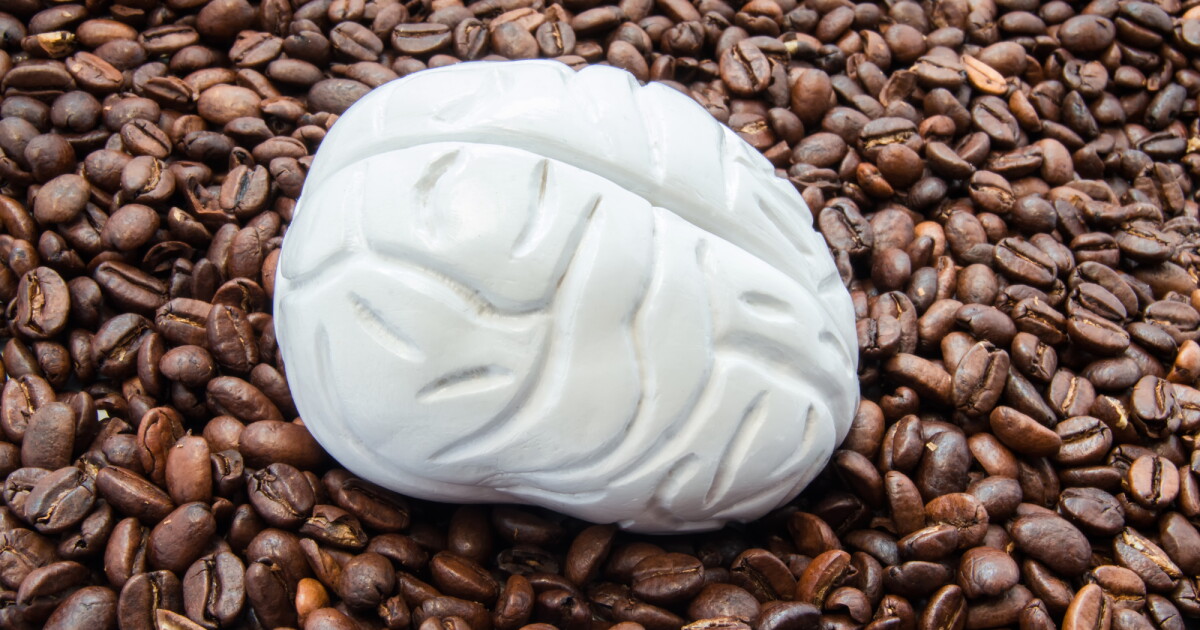
How your morning coffee is changing the structure of your brain
A novel placebo-controlled study has found daily caffeine consumption can significantly reduce the volume of gray matter in the human brain. These findings do not immediately suggest caffeine negatively impacts the brain but instead points to how the drug may induce a temporary neural plasticity that researchers think warrants further investigation.
Blaming Depression on Eating Habits Invites Mental Health Stigma
So-called mood food has a moral dilemma

10 Science-Backed Ways to Keep Your Brain Healthy
Boost brainpower and prevent cognitive decline.
